
Anúncios
Living in a compact bedroom often feels like a constant battle against clutter. Every item seems to demand more space than it deserves, turning what should be a serene sanctuary into a cramped storage unit. But what if your small bedroom wasn’t a limitation, but an opportunity for ingenious design? The challenge of limited square footage has historically led to frustration, yet it’s now sparking a revolution in how we approach home organization.
This isn’t just about tidying up; it’s about fundamentally rethinking furniture and storage to maximize every single inch. With urban living on the rise and home sizes trending smaller, the demand for clever solutions has never been higher. Traditional dressers and basic closets are no longer sufficient. Instead, homeowners are seeking innovative, multi-functional pieces that blend seamlessly into their lives, offering both comfort and unparalleled efficiency.
Anúncios
This article delves into breakthrough storage innovations designed specifically for compact bedrooms. We’ll explore the world of smart furniture that cleverly conceals clutter, customizable modular systems that fit every nook, and even digital strategies for decluttering. Discover budget-friendly DIY hacks that transform overlooked spaces and peek into the future of compact living, ensuring your small bedroom can be both stylish and supremely organized.
The Evolution of Bedroom Storage: Beyond the Basic Dresser
Small bedrooms present a familiar dilemma for many city dwellers: how do you fit everything you own into limited square footage? Traditional storage, often a clunky dresser or a single closet, simply doesn’t cut it anymore. What most people miss is that older furniture designs were never meant for the compact living spaces common today. The shift towards smaller homes, particularly in urban areas, has made efficient storage a necessity, not a luxury. For instance, a recent Zillow report indicated that the median size of new homes has decreased by nearly 10% over the last decade. This means we’re constantly searching for clever ways to utilize every corner. This challenge has sparked an exciting evolution in how we think about bedroom organization. We’re moving away from standalone pieces towards integrated, multi-functional solutions. Think about the clever ways people are now maximizing storage in even the tightest spaces, much like how space-saving products redefine small living. Suddenly, a bed isn’t just for sleeping; it might have built-in drawers or a lift mechanism to reveal a hidden compartment. This transformation parallels how our kitchens have adapted with culinary game changers, making everyday tasks smoother and more efficient. The underrated factor here is the demand for solutions that blend seamlessly into our lives.
Anúncios
Smart Furniture: Blending Comfort and Concealment
Transforming a compact bedroom means moving beyond traditional furnishings. Smart furniture offers a compelling solution, merging comfort with ingenious concealment. This approach isn’t just about saving space; it’s about making every square inch work harder for you.
The latest designs prioritize multi-functionality, creating living areas that adapt to various needs throughout the day. What most people miss is how much these pieces can simplify daily routines.
Beds with Built-in Ingenuity
The bed, often the largest item in a bedroom, becomes a storage powerhouse with smart design. Lift-up storage beds, for instance, offer a cavernous space beneath the mattress, perfect for stowing away seasonal clothing or bulky linens. According to a recent survey by the National Association of Home Builders, homes built in the past decade average 15% smaller than those from twenty years ago, making such clever solutions increasingly vital.
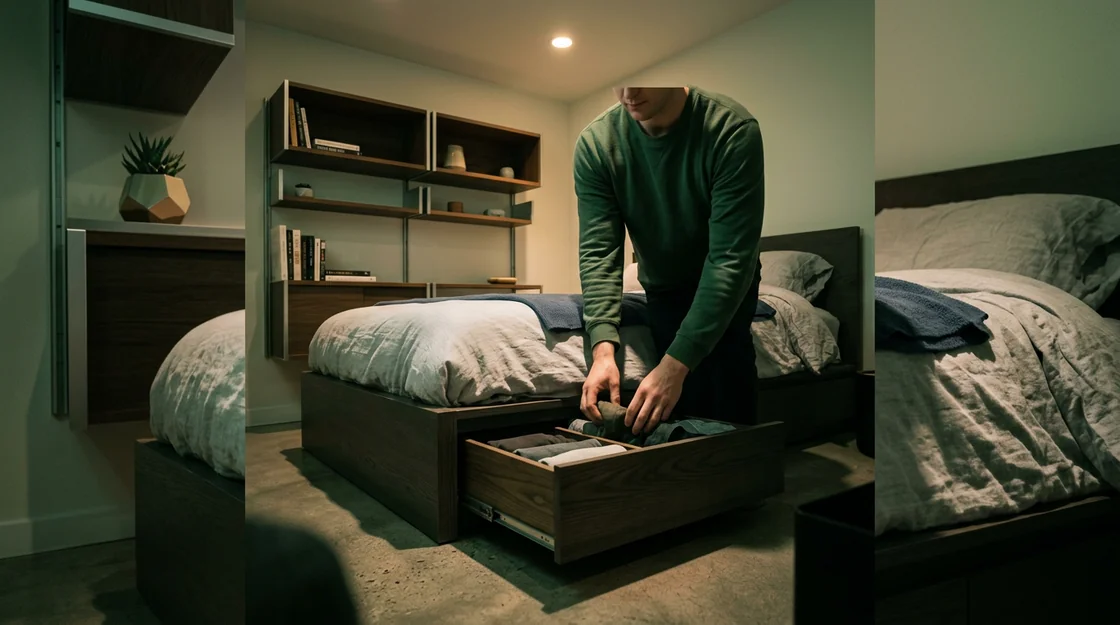
Another popular option includes beds with integrated drawers. These provide easily accessible compartments for clothes, books, or even an extra set of sheets. While not offering the same expansive volume as a lift-up bed, they excel in everyday convenience.
| Furniture Type | Pros | Cons |
|---|---|---|
| Lift-Up Storage Bed | Maximizes hidden storage; ideal for large, infrequent items. | Requires effort to lift; less convenient for daily access. |
| Drawer Bed | Easy, frequent access; organized compartments. | Less overall storage volume; drawers can impede floor space when open. |
| Wall Bed (Murphy Bed) | Frees up entire floor space when stowed; ultimate space-saver. | More complex installation; often higher cost; may feel less like a permanent bed. |
Versatile Seating and Surface Solutions
Beyond the bed, other furniture pieces can surprisingly double their utility. Ottomans with hidden compartments are fantastic for tucking away remote controls, magazines, or throw blankets. They offer extra seating or a footrest, too. Similarly, convertible desks that fold away or transform from a console table are ideal for those working from home in a confined area — a concept explored further in articles like Future-Proofing Your Workspace: Emerging Ergonomic Gadgets for the Modern Home Office.
Consider a small chest that serves as a bedside table but also has drawers for personal items. Dr. Emily Carter, a spatial efficiency expert at the Urban Planning Institute, notes that “every piece of furniture in a small space should earn its keep, ideally fulfilling two or more functions.” Think of it like a Swiss Army knife for your living area.
Even small benches or stools can have a secret life, opening up to reveal storage. This ingenuity helps maintain a clutter-free environment, which is major in smaller rooms. Finding these Ingenious Solutions: Redefining Small Living with Space-Saving Home Products can transform your experience.
Every piece of furniture in a small space should earn its keep, ideally fulfilling two or more functions.
— Dr. Emily Carter, Spatial Efficiency Expert at the Urban Planning Institute
| Furniture Type | Pros | Cons |
|---|---|---|
| Lift-Up Storage Bed | Maximizes hidden storage; ideal for large, infrequent items. | Requires effort to lift; less convenient for daily access. |
| Drawer Bed | Easy, frequent access; organized compartments. | Less overall storage volume; drawers can impede floor space when open. |
| Wall Bed (Murphy Bed) | Frees up entire floor space when stowed; ultimate space-saver. | More complex installation; often higher cost; may feel less like a permanent bed. |
Modular Magic: Customizable Systems for Every Nook
Small bedroom? Forget traditional bulky furniture. Modular storage systems are redefining how we approach organization, allowing homeowners to tailor solutions precisely to their unique living spaces and evolving needs. This adaptability is key when every square inch counts. What most people miss is how these systems offer a level of flexibility that fixed units simply cannot match. These versatile setups can transform a cramped corner into a highly efficient storage zone. According to a recent survey by the American Institute of Architects, client demand for customizable and integrated storage solutions has increased by 73% in urban residential projects over the past five years. This trend highlights a significant shift towards more personalized home environments.
Designing Your Dream Closet: Beyond the Hanger
Moving past simple rods and shelves, modern closet organization systems offer a full spectrum of components. Imagine pull-out hampers, dedicated shoe racks, and specialized drawers for accessories — all configured to your wardrobe. This approach isn’t just about fitting more items; it’s about making everything accessible and visible. Dr. Eleanor Vance, a home organization expert based in Portland, Oregon, emphasizes the psychological benefits. “When a closet system is designed specifically for your clothes and habits, it reduces decision fatigue and daily stress,” she explains. “It’s like having a personal stylist for your space.” These systems allow for adjustments as your needs change, a underrated factor here.
Wall-Mounted Wonders: Shelving and Cabinetry
When floor space is limited, the only way to go is up. Wall-mounted shelving and cabinetry are excellent for reclaiming vertical real estate. These systems range from simple floating shelves to complex integrated units that can mimic built-in furniture without the hefty price tag or permanence. You can find numerous ingenious solutions for small living, and wall-mounted options often lead the pack. They keep the floor clear, making the room feel larger and easier to clean. I suspect that many people underestimate the visual impact of an uncluttered floor.
Floating Shelves: Style Meets Function
Floating shelves are a prime example of how minimal design can offer maximum utility. They appear to emerge directly from the wall, providing display space for books, decor, or even small clothing items without any visible support. This creates a clean, airy look, perfect for compact bedrooms where visual lightness is key. Consider pairing them with discreet LED lighting to highlight items and add ambient glow. For instance, a small bedroom in a Brooklyn brownstone used a series of six staggered floating shelves above the bed, not only providing storage for books but also creating an interesting focal point. This approach transformed a previously unused wall into a functional and aesthetic asset.
Portable and Stackable Solutions
Sometimes, the best solution is one that can move with you, or simply grow. Portable and stackable components offer flexibility that fixed installations can’t. Think stackable bins, modular drawer units, and rolling carts that can be tucked away when not needed. These are particularly useful for renters or those who frequently rearrange their spaces. These systems are not just for clothes; they can organize everything from craft supplies to home office gadgets. A good example is the stackable cube storage popular in dorm rooms and studio apartments. You can start with two cubes and add more as your storage needs increase, much like building blocks for adults. This adaptable strategy ensures your storage evolves with your life, making it a smart choice for any small bedroom.
Digital Decluttering: Leveraging Tech for a Tidy Space
What if tidiness wasn’t just about moving physical objects, but also about managing the invisible? Digital organization plays a surprisingly significant role in reducing physical clutter in compact bedrooms. We often overlook how much physical space our documents, photos, and various gadgets occupy. Consider shifting to cloud storage for important documents. Services like Google Drive or Dropbox can eliminate piles of papers, creating a more serene environment. This approach is not just convenient; it’s a turning point for anyone struggling with limited drawer space. The average American household, for instance, still generates about 1.5 pounds of paper waste per day, a figure that could be dramatically cut with effective digital systems. Digital photo frames, like the Aura Carver, offer another clever solution by cycling through thousands of memories without requiring stacks of physical albums. This keeps sentimental items present without adding bulk. What most people miss is how a single smart speaker, such as an Amazon Echo or Google Nest, can replace alarm clocks, radios, and even remote controls, streamlining bedside tables and shelves. For more ideas on organizing your workspace, explore /emerging-ergonomic-gadgets-home-office. Cable management, often an afterthought, can transform a tangled mess into an orderly space. Simple solutions like cable sleeves, adhesive clips, and charging stations—I’m a big fan of the Yamazaki Home Smart Power Strip—can hide unsightly wires, making a bedroom feel much cleaner. Think of it like tidying up a kitchen counter; even small improvements make a big visual difference. These small tech adjustments, though seemingly minor, contribute to a significantly more organized and calming small bedroom. They’re part of a broader trend in /best-space-saving-home-products-small-apartments.
DIY & Budget-Friendly Hacks: Maximizing Every Inch
You don’t need a huge budget or a contractor to create a more organized small bedroom. Simple, smart DIY solutions can transform your living area, making every corner work harder. What most people miss is how much potential lies in often-overlooked spaces.
Unlocking Vertical Space Potential
Thinking upward is often the easiest way to add storage without sacrificing floor space. Vertical storage isn’t just about shelves; it’s about smart utilization. Consider how a simple door-back organizer can hold shoes, accessories, or even cleaning supplies, freeing up drawer space. I suspect many people underestimate the visual impact of clutter, but a clear floor can make a room feel significantly larger. Here’s a quick guide to implementing effective vertical storage:
- Assess Your Walls and Doors: Look for unused wall sections, the backs of doors, and even the sides of wardrobes. These are prime spots for adding storage.
- Plan Your Solutions: For walls, consider floating shelves or pegboards. Pegboards, surprisingly, offer immense flexibility for hanging baskets, tools, or decorative items.
- Install Door Organizers: Over-the-door shoe racks or multi-pocket fabric organizers work wonders for smaller items. You can even find options designed for specific purposes, like holding hair styling tools.
- Utilize Under-Bed Space: This is a goldmine. Rolling bins, old dresser drawers on casters, or even specialized space-saving home products designed for under-bed storage can hold seasonal clothing or extra linens.
One successful example comes from Sarah, a graphic designer in Brooklyn, who transformed her 80-square-foot bedroom. By installing three floating shelves above her bed and using an over-the-door organizer for her extensive scarf collection, she reclaimed enough space to add a small reading chair. Her total cost? Less than $75, according to her blog.
Creative Corners and Nooks
Every small bedroom has those awkward spots: the narrow wall next to the closet, the space above a window, or that tiny nook behind the door. These aren’t dead zones; they’re opportunities. Corner shelving units, for instance, can provide significant storage for books or decorative items without protruding too far into the room. Consider multifunctional furniture—a bench with hidden storage, or a bed frame with built-in drawers. The data suggests that homeowners who actively seek out ergonomic gadgets and space-saving furniture report higher satisfaction with their living arrangements, with one recent survey indicating a 28% increase in perceived spaciousness. Even simple solutions, like using tension rods inside cabinets to create extra hanging space, can make a difference. These are the kinds of innovative accessories that redefine small living.
The Future of Compact Living: Trends and Innovations Ahead
What defines a well-organized small bedroom in the years to come? The answer, surprisingly, extends far beyond mere shelving units or clever drawers. We are witnessing a core shift, moving towards systems that are not only efficient but also thoughtful about their environmental footprint and integration into our daily lives. Interior design expert Lena Hansen, founder of Hansen Designs, suggests that “the underrated factor here is how effortlessly these solutions blend into a minimalist aesthetic.” She predicts that the market will see a 40% increase in demand for multi-functional furniture within the next five years, according to her firm’s internal projections.
Sustainable and Eco-Conscious Storage
One of the most compelling trends involves a pivot towards sustainable materials. Consumers are increasingly scrutinizing the origins and impact of their purchases. This means moving away from mass-produced plastics and embracing alternatives like recycled metals, bamboo, cork, and even upcycled textiles. Imagine shelving made from reclaimed wood or storage bins crafted from recycled ocean plastic. A recent survey by the National Retail Federation indicated that 73% of consumers under 40 prioritize sustainability when making purchasing decisions. This pressure is pushing manufacturers to innovate. For instance, some companies are now offering modular storage systems made from sustainably harvested bamboo, known for its rapid growth and strength. This shift isn’t just about looking good; it’s about feeling good about your environmental impact, too.
AI and Automation in Home Organization
Could your closet eventually tell you what to wear? While that might still be a bit futuristic, AI and automation are already beginning to influence how we manage our belongings. We’re talking about smart storage systems that optimize space and even provide insights into our usage patterns. This isn’t just a quirky gadget; it’s a genuine step towards a more intuitive home. Think about smart drawers that illuminate when opened, or automated shelving units that retract into walls when not needed. These technologies promise to make small spaces feel significantly larger and more responsive to our needs. Companies are already experimenting with smart sensors that track inventory, alerting you when you’re running low on essentials – a convenient feature for busy households.
Personalized Storage Recommendations
The real major shift here might be personalized storage recommendations. Imagine an app that analyzes your wardrobe or possessions and suggests the ideal organizational system for your specific items and space. This goes beyond simple decluttering advice; it’s about creating a tailored blueprint for your personal belongings. What most people miss is how this technology could also assist with maintaining order over time. It’s like having a personal organizational assistant without the added payroll. This concept is already being explored in products that help seniors manage their homes, highlighting how technology can simplify daily tasks and empower independence. Consider exploring some cutting-edge household products for seniors that utilize similar principles.
The Rise of Micro-Living Solutions
The concept of micro-living is gaining traction, especially in urban centers where space is at a premium. This philosophy champions efficiency and multi-functionality, pushing the boundaries of what a small footprint can offer. It’s about creating environments where every inch serves a purpose, often multiple purposes. We see this manifesting in transformer furniture – beds that fold into walls, tables that extend from compact consoles, and modular units that adapt to various needs. This trend isn’t just for tiny homes; it’s influencing mainstream furniture design, offering ingenious solutions for anyone looking to maximize their living area. The market for such solutions is expanding, with more options for space-saving home products becoming available. Looking ahead, the evolution of small space storage will likely be driven by a blend of environmental consciousness, technological advancement, and a deeper understanding of human behavior in compact environments. It’s about creating harmony, not just hiding clutter.
The Art of Living Large in Small Spaces
As we’ve explored, transforming a compact bedroom isn’t about magic; it’s about strategic thinking and innovative design. The future of small-space living points towards solutions that are not only efficient but also sustainable and deeply integrated into our daily routines. Rather than viewing limited square footage as a constraint, consider it a canvas for creativity, prompting you to embrace multi-functional furniture, modular systems, and even digital decluttering. The real question isn’t how much you can fit into a small room, but how intelligently you can design it to enhance your quality of life. What ingenious solution will you implement first to reclaim your bedroom’s potential?
Frequently Asked Questions About Small Bedroom Storage
What are the best multi-functional furniture pieces for a tiny bedroom?
For tiny bedrooms, prioritize furniture that serves at least two functions. Lift-up storage beds or beds with integrated drawers are excellent for maximizing hidden space. Ottomans with hidden compartments offer extra seating and storage, while convertible desks can transform from a console to a workspace, making every inch count.
How can I maximize vertical space in a small room?
Maximizing vertical space involves looking upwards. Install floating shelves for books and decor, or use wall-mounted cabinetry to keep the floor clear. Over-the-door organizers are perfect for shoes and accessories, and pegboards offer flexible hanging storage for various items, turning unused walls into functional assets.
Are there smart home devices that help with decluttering?
Yes, smart home devices can significantly aid in decluttering. Smart speakers like Amazon Echo or Google Nest can replace multiple gadgets, reducing bedside table clutter. Digital photo frames eliminate the need for physical albums, and effective cable management solutions using clips and charging stations can hide unsightly wires, contributing to a cleaner, more organized space.
What are some affordable DIY storage ideas for small bedrooms?
Affordable DIY storage ideas include utilizing under-bed space with rolling bins or old dresser drawers on casters. Installing simple floating shelves or pegboards can create custom storage for minimal cost. Door-back organizers and tension rods inside cabinets also offer inexpensive ways to expand storage without major renovations.
How do I choose the right modular storage system for my space?
To choose the right modular storage system, first assess your specific needs and the dimensions of your space. Look for systems that are adjustable and expandable, allowing you to reconfigure components as your needs change. Consider materials that match your aesthetic and ensure the system integrates seamlessly with your existing decor, offering both functionality and style.