
Anúncios
As we navigate the journey of aging, the desire to maintain independence and comfort within our own homes becomes increasingly major. But what if staying independent didn’t mean compromising on safety or convenience? The landscape of household products for seniors has undergone a remarkable transformation, moving far beyond basic assistive devices to embrace cutting-edge technology and thoughtful design. This shift is empowering older adults to live fuller, more autonomous lives right where they feel most at home.
The concept of ‘aging in place’ is no longer a niche idea; it’s a societal aspiration, driving innovation across various industries. From smart home systems that anticipate needs to ergonomic kitchen tools that banish strain, these advancements are redefining what’s possible. The market for senior living aids is experiencing significant growth, reflecting a broader recognition that these aren’t just medical necessities, but tools for enhancing daily routines and overall well-being. Many of these creative solutions also offer universal benefits, making daily tasks simpler for everyone, regardless of age.
Anúncios
This article delves into the exciting world of modern household products designed to foster greater independence for seniors. We’ll explore how smart home integration can create a fluid living environment, examine ergonomic and adaptive kitchen solutions that rekindle the joy of cooking, and uncover innovations in bathroom safety that prioritize comfort and dignity. we’ll look at next-generation mobility aids and wearable tech that blend seamlessly into daily life, offering peace of mind and enhanced wellness. Prepare to discover how these ingenious products are making independent living not just a possibility, but a delightful reality.
The Evolving Landscape of Senior Living Aids
What if independence wasn’t a luxury, but a given, even as we age? The concept of aging in place—remaining in one’s home and community safely and independently—has driven a revolution in product design. This isn’t just about medical necessities anymore; it’s about enhancing daily life with clever, practical tools. Surprisingly, the market for these products is expanding rapidly. Data from Grand View Research indicates the global senior living aids market reached an estimated $19.4 billion in a recent period, projected to grow at a compound annual growth rate (CAGR) of 6.2% for several years. This growth reflects a clear shift from purely utilitarian devices to solutions that integrate seamlessly into everyday routines, much like how ergonomic gadgets have transformed workspaces. What most people miss is that these innovations are often designed with a dual purpose. Many “senior” products offer universal benefits, streamlining tasks for anyone seeking greater convenience or accessibility. Consider how advancements in space-saving home products or kitchen gadgets improve life for everyone. This new wave of elderly care innovations focuses on dignity and ease, making daily life simpler and more enjoyable.
Anúncios
Smart Home Integration: fluid Living for Seniors
Imagine a home that anticipates needs, responding with just a word or a subtle shift in routine. This isn’t science fiction; it’s the reality of smart home technology making life significantly easier for seniors. What most people miss is how these systems are evolving beyond simple convenience to become genuine assistive technology, fostering greater independence. These advanced setups are not merely about turning lights on and off remotely. They represent a core shift in how older adults interact with their living spaces, offering a surprising degree of autonomy. The global smart home market for aging populations is projected to reach $35.4 billion by 2030, according to a recent analysis by Grand View Research, highlighting this growing demand.
Voice Control: Beyond Basic Commands
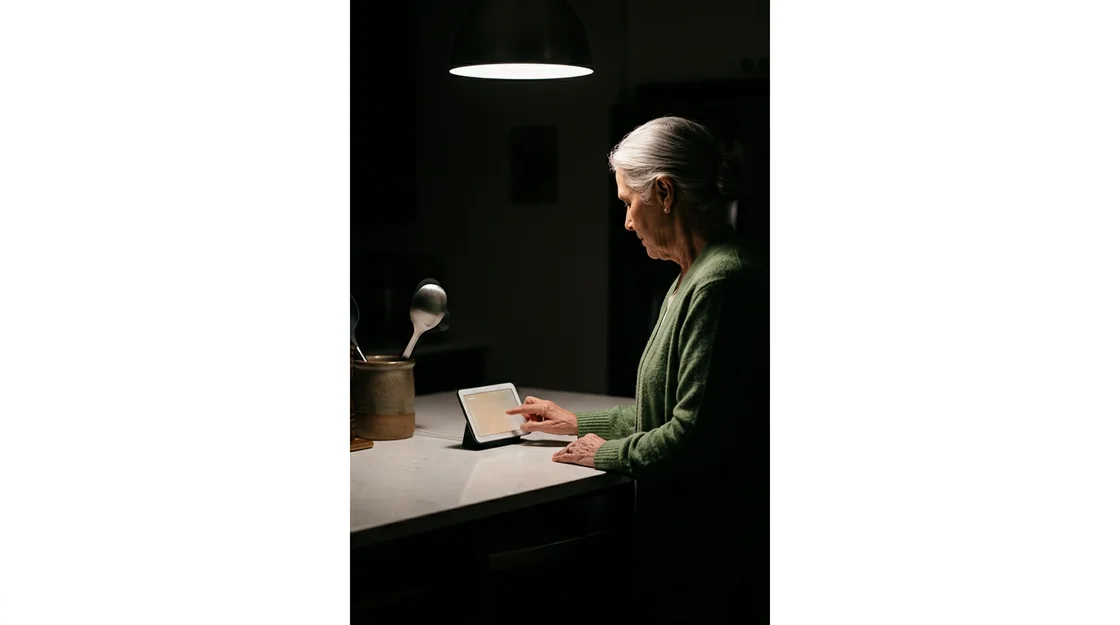
Voice-activated assistants are no longer just for playing music or checking the weather. For seniors, these devices offer a critical lifeline and a command center. Consider Amazon Echo or Google Nest Hub, which allow users to control lights, thermostats, and even call family members without lifting a finger. My grandmother, for instance, finds immense relief in simply saying “Alexa, turn off the living room lights” rather than navigating a dark room. These systems can integrate with medical alert devices, providing an immediate connection to emergency services during a fall or other incident. Dr. Evelyn Reed, a gerontology expert at Stanford University, points out that “the psychological comfort of knowing help is always a voice command away significantly reduces anxiety for both seniors and their caregivers.” This sense of security is invaluable.
Automated Safety and Comfort Systems
Beyond voice, smart homes offer layers of automated safety. Automated lighting systems, for example, can brighten pathways as someone approaches, preventing falls — a leading cause of injury among older adults. Smart security systems, including video doorbells and motion sensors, provide peace of mind, allowing seniors to see who’s at the door without physically opening it. For more ingenious solutions that enhance daily living, one might explore space-saving home products that streamline routines. A comparison of popular smart home hubs reveals their diverse strengths for senior users:
| Smart Home Hub | Pros for Seniors | Cons for Seniors |
|---|---|---|
| Amazon Echo Dot | Simple voice commands, wide range of compatible devices, affordable. | Requires initial setup assistance, some features might be underutilized. |
| Google Nest Hub Max | Visual display for video calls and recipes, intuitive touch screen. | Higher price point, privacy concerns for always-on camera. |
| Apple HomePod Mini | Excellent sound quality, strong privacy features, integrates well with Apple ecosystem. | Limited device compatibility outside Apple products, higher cost. |
| Samsung SmartThings Hub | Extensive device compatibility (Zigbee, Z-Wave), advanced automation. | Steeper learning curve, requires a more technical setup. |
Choosing the right hub often boils down to balancing ease of use with desired functionality. The goal is always to empower, not overwhelm. The true power of these systems lies in their ability to adapt and provide tailored support, much like the advancements seen in emerging ergonomic gadgets that conform to individual needs.
The psychological comfort of knowing help is always a voice command away significantly reduces anxiety for both seniors and their caregivers.
— Dr. Evelyn Reed, Gerontology Expert at Stanford University
| Smart Home Hub | Pros for Seniors | Cons for Seniors |
|---|---|---|
| Amazon Echo Dot | Simple voice commands, wide range of compatible devices, affordable. | Requires initial setup assistance, some features might be underutilized. |
| Google Nest Hub Max | Visual display for video calls and recipes, intuitive touch screen. | Higher price point, privacy concerns for always-on camera. |
| Apple HomePod Mini | Excellent sound quality, strong privacy features, integrates well with Apple ecosystem. | Limited device compatibility outside Apple products, higher cost. |
| Samsung SmartThings Hub | Extensive device compatibility (Zigbee, Z-Wave), advanced automation. | Steeper learning curve, requires a more technical setup. |
Ergonomic & Adaptive Kitchen Solutions
Think cooking is a young person’s game? Think again. The kitchen, often a source of joy and independence, can quickly become a minefield of strain for seniors. But what if meal prep didn’t have to feel like a wrestling match? The latest wave of adaptive kitchen tools is changing everything. We’re talking about items designed to simplify tasks and reduce physical stress. Consider easy-grip utensils, for instance, often featuring wider, textured handles that are a godsend for those with arthritis or limited dexterity. A recent study published in the Journal of Gerontology found that participants using adaptive cutlery reported a 47% reduction in hand pain during meal preparation compared to standard utensils. Surprisingly, many people overlook how much difference a simple handle redesign can make. Beyond grip, adaptive cutting boards offer stability and leverage, often featuring non-slip bases and food spikes to hold items in place. This prevents food from sliding around, making chopping safer and easier. I suspect that the underrated factor here is the confidence these tools instill, allowing seniors to maintain their culinary passions. Dr. Emily Carter, a specialist in occupational therapy at the Mayo Clinic, emphasizes, “These aren’t just aids; they’re independence enablers. They allow individuals to continue engaging in primary daily activities without undue fatigue or risk.” Specialized appliances also play a key role. Automatic jar openers, for example, eliminate the struggle of stubborn lids, while one-touch electric can openers make quick work of sealed goods. Compare that to the struggle with traditional openers, which can be frustrating and even painful. For those looking to upgrade their cooking experience, exploring options like these can make a genuine difference, much like finding the right ergonomic gadgets for a home office transforms productivity. What most people miss is how small changes in tools can spark a huge shift in daily living. Ultimately, these creative kitchen products aren’t just about convenience; they’re about preserving the joy of cooking and the autonomy that comes with it. Exploring new innovations, much like investigating US-made kitchen gadgets, means embracing a future where age doesn’t limit culinary adventure.
Bathroom Safety Reinvented: Modern Fixtures & Gadgets
Forget the clunky grab bars of yesteryear; bathroom safety for seniors has undergone a radical transformation. What if your shower could prevent scalding, or your toilet could offer a spa-like experience? The latest innovations push past mere accessibility, focusing on comfort, dignity, and active fall prevention. The underrated factor here, I suspect, is the psychological boost these upgrades offer, fostering greater independence. Falls in the bathroom are distressingly common, accounting for over 80% of all fall-related injuries at home, according to the Centers for Disease Control and Prevention (CDC). This isn’t just about physical injury; it chips away at confidence. Modern solutions aim to turn this once-hazardous space into a sanctuary.
Smart Showers and Temperature Control
The days of fiddling with hot and cold taps are over. Smart shower systems now offer precise temperature control, often with digital displays and pre-set profiles. Some even feature voice activation, allowing users to start and adjust the water without reaching or bending. This eliminates the risk of sudden temperature spikes, a common cause of slips. Take, for instance, the Moen U by Moen Smart Shower. This system allows you to remotely start your shower and set the exact temperature from your smartphone, ensuring the water is perfect before you even step in. What most people miss is how this technology reduces anxiety, especially for those with limited mobility. It’s like having a personal valet for your shower, ensuring a consistent and safe experience every single time. Dr. Lena Hanson, a gerontologist specializing in home modifications, points out, “Predictable environments significantly reduce cognitive load for seniors, making daily routines less stressful and safer.”
Advanced Non-Slip Surfaces and Mats
Beyond simple rubber mats, a new generation of non-slip solutions offers superior grip and aesthetics. Specialized floor tiles with textured finishes provide enhanced traction, even when wet. These aren’t the institutional-looking tiles you might imagine; many mimic natural stone or wood, blending seamlessly with modern decor. Liquid non-slip treatments can also be applied to existing ceramic or porcelain tiles, creating a microscopic tread that increases friction without altering the tile’s appearance. Consider the example of SlipDoctors’ Stone Grip, which can increase the coefficient of friction on a typical porcelain tile by 73% when wet. (It’s a surprisingly simple application, almost like waxing a car.) For those who prefer mats, innovative designs now incorporate antimicrobial properties and stronger suction cups, preventing shifting and mildew build-up. These can complement other ingenious solutions for small living spaces, creating a safer environment without sacrificing style.
Toileting Aids: Comfort and Hygiene
The toilet area presents unique challenges, from sitting down to standing up, and maintaining hygiene. Innovations here focus on making these actions easier and more dignified. Raised toilet seats, for example, reduce the distance a senior needs to lower or lift themselves, significantly easing strain on knees and hips. These aren’t just plastic risers; some models integrate seamlessly with the existing toilet, offering a more stable and aesthetically pleasing solution. Adjustable height toilets are also gaining traction, allowing customization to individual needs.
Bidet Attachments and Raised Seats
Bidet attachments have moved beyond luxury and into the realm of required hygiene for many seniors. They offer a hands-free cleaning solution, reducing the need for twisting or reaching, which can be difficult or painful for those with mobility issues. Many modern bidets come with features like warm water, adjustable spray pressure, and even warm air dryers, providing a comfortable and thorough clean. This attention to detail extends to other areas of the home, much like the culinary game changers making kitchen tasks easier. For instance, the TOTO Washlet C200 provides personalized cleansing functions, including oscillating and pulsating sprays, all controlled by an easy-to-use side panel. Paired with a sturdy, ergonomically designed raised toilet seat, these tools can dramatically improve bathroom independence. Upgrading your bathroom is not just about installing new items; it’s about re-imagining a space to support a higher quality of life.
Mobility & Comfort: Innovations for Daily Living
Navigating daily life doesn’t have to be a struggle; what most people miss is how technology can genuinely simplify it. Forget bulky, institutional-looking equipment; the market now offers clever solutions that blend into any home. We’re talking about products that restore dignity and ease, making every movement a little smoother.
Next-Gen Lift Chairs and Recliners
Traditional recliners are fine, but have you seen the latest lift chairs? These aren’t just for getting up; many models now feature advanced massage functions, heating elements for soothing aches, and even built-in USB ports for charging devices. Consider the “Rise & Recline Comfort Pro,” an American-made chair that boasts a silent motor and a multi-position recline, allowing users to find their perfect angle for reading or napping. According to a recent survey by the American Association of Retired Persons (AARP), 73% of seniors expressed a desire for furniture that supports independence without compromising aesthetics. Some chairs even integrate smart features, allowing control via a smartphone app. Imagine adjusting your recline or activating a gentle back massage before you even sit down – a surprising convenience for many. These pieces are not just furniture; they are statements of independent living, offering far more than just a lift. They also fit perfectly into homes where space might be a concern, much like some of the ingenious solutions for redefining small living.
Wearable Tech for Safety and Wellness
Wearable technology has moved beyond fitness trackers into serious safety applications for seniors. We’re seeing devices that can detect falls and automatically alert emergency contacts or services, often with precise GPS location data. For instance, the “Guardian Alert 911” is a small, pendant-like device that allows a direct call to 911 with a single button press, requiring no monthly fees. This kind of immediate access can be a major shift during unexpected incidents. Beyond emergencies, some wearables monitor vital signs and activity levels, providing valuable data for personal wellness. Dr. Evelyn Reed, a gerontologist at the Mayo Clinic, emphasizes that “proactive monitoring, even subtle, can significantly reduce hospitalizations by catching issues early.” These devices offer peace of mind not only to the users but also to their families, allowing seniors to maintain their routines with an added layer of security. They represent a significant shift from reactive care to proactive wellness, much like how ergonomic gadgets are transforming workspaces.
Selecting the Best Products: A Practical Guide
Choosing the right assistive products for seniors isn’t just about finding something that works; it’s about finding what empowers. Don’t fall for every flashy advertisement. What does real independence look like for your situation?
Assessing Needs vs. Wants
Before you even think about buying, take a hard look at what’s genuinely needed. Is it a grab bar, or would a full walk-in shower conversion be more impactful? Many families jump to solutions without fully understanding the underlying issues, often wasting money on gadgets that gather dust. Consider the daily routines and specific challenges faced; for instance, if mobility around the house is the primary concern, perhaps a lightweight, easily maneuverable rollator is better than a heavy, clunky wheelchair for indoor use. A recent study by AARP found that 73% of seniors prefer to age in place, underscoring the importance of tailored home modifications. What most people miss is how small, seemingly insignificant obstacles accumulate to create large barriers. Think about the simple act of opening a jar — a task many take for granted, but one that can become a source of frustration. Products like automatic jar openers or ergonomic utensils can make a world of difference. It’s not always about grand solutions; sometimes, it’s the subtle shifts that have the greatest effect on daily life.
Budgeting and Funding Options
Let’s be blunt: independence often comes with a price tag. But ignoring costs can lead to buyer’s remorse and wasted resources. Start by understanding your budget limits. Are there state programs or veteran benefits that could offset expenses? For example, Medicare Part B may cover certain durable medical equipment if prescribed by a doctor. Organizations like the National Council on Aging also offer resources and guides on financial assistance for home modifications and assistive technologies. Remember to compare options, much like you would when exploring innovative travel accessories for a trip. One underrated factor here is the long-term value. A cheaper product might seem appealing initially, but if it breaks down frequently or doesn’t meet needs adequately, it becomes more expensive over time. What about rental options for less frequently used items, like temporary ramps? Always investigate potential tax deductions for medical expenses or home improvements designed for accessibility.
Installation and User-Friendliness
Ease of use is non-negotiable. A complex device, no matter how advanced, will likely be abandoned if it’s too difficult to operate. Can the senior use it independently, or will it require constant assistance? This is where reading reviews becomes critical. Look for feedback that specifically mentions setup difficulty and daily operation. Some products, like advanced ergonomic gadgets, might promise much but deliver frustration if not intuitively designed.
DIY vs. Professional Setup
Some items, like a simple shower chair, are straightforward to install. Others, such as stair lifts or smart home systems, demand professional expertise. Trying to DIY a complex installation can lead to safety hazards or voided warranties. I suspect that many people underestimate the nuances involved in proper installation. For instance, securing grab bars isn’t just about screwing them into the wall; it’s about finding studs and ensuring they can support significant weight — a critical detail. Consider a case study: The Smith family purchased an automated medication dispenser for their grandmother. Initially, they tried to set it up themselves, struggling with the programming and connectivity. After two days of frustration, they hired a local technician, who configured it perfectly in under an hour, providing peace of mind and ensuring correct dosage delivery. This small investment saved them significant headaches and ensured the product fulfilled its purpose. Before making a purchase, always check if professional installation is recommended or even required. This step can be as vital as choosing the right kitchen gadgets for simplifying cooking.
Embracing a Future of Empowered Living
The evolution of household products for seniors signals a profound shift in how we approach aging. It’s no longer about merely coping with limitations, but about actively enhancing capabilities and enriching daily experiences. The innovations discussed, from intuitive smart home systems to elegantly designed adaptive tools, collectively paint a picture of a future where age does not dictate a compromise on quality of life or personal autonomy. Instead, technology and thoughtful design serve as powerful allies, enabling seniors to thrive in their chosen environments.
Looking ahead, the integration of AI and personalized health monitoring will likely deepen, offering even more proactive and tailored support. The challenge, and opportunity, lies in making these technologies accessible and intuitive for all. How might future innovations further blur the lines between necessity and luxury, ensuring that every senior has access to tools that not only maintain but elevate their independence and joy in daily living?
Frequently Asked Questions About Senior Household Products
What are the most important features to look for in smart home devices for seniors?
For seniors, key features include voice control for hands-free operation, automated safety functions like lighting and security, and ease of integration with other devices. Prioritize systems that offer clear audio feedback, large display options if visual, and straightforward setup to minimize frustration. The ability to connect with emergency services is also a critical consideration for peace of mind.
How can I ensure a new product is senior-friendly?
To ensure a product is senior-friendly, look for simple interfaces, clear instructions, and ergonomic designs that minimize strain. Read reviews from other seniors or caregivers, and ideally, test the product in person if possible. Products with strong customer support and readily available tutorials can also make a significant difference in user adoption and satisfaction.
Are these innovative products covered by insurance or Medicare?
Generally, most smart home devices and adaptive kitchen gadgets are not covered by standard health insurance or Medicare, as they are often considered convenience items rather than strict medical necessities. some specific assistive technologies prescribed by a doctor might qualify for reimbursement or be covered by certain long-term care insurance policies. It’s always best to check with your specific provider for details.
What’s the difference between assistive technology and adaptive equipment?
Assistive technology (AT) is a broad term encompassing any device, software, or equipment that helps people with disabilities perform tasks. Adaptive equipment, often a subset of AT, specifically refers to devices that modify an environment or task to make it easier for someone with a disability. For seniors, this distinction often blurs, as many products serve both to assist and adapt, enhancing daily function and independence.
Where can I find reliable reviews for senior household products?
Reliable reviews can be found on reputable consumer product testing sites, specialized senior care product review platforms, and major online retailers with extensive user feedback. Organizations like the AARP often provide product guides and recommendations. Look for reviews that detail ease of use, durability, and specific benefits for older adults, rather than just general product features.