
Anúncios
The days of overflowing toolboxes and cluttered workshops are rapidly becoming a relic of the past. Modern home improvement has undergone a quiet revolution, driven by a new generation of multipurpose tools designed to simplify, streamline, and amplify your DIY capabilities. No longer do you need a dedicated gadget for every single task; instead, innovative designs are consolidating necessary functions into single, powerful units that promise to transform how you approach everything from minor repairs to major renovations.
This shift isn’t just about convenience; it’s a basic rethinking of efficiency, space utilization, and cost-effectiveness for the everyday homeowner. As living spaces shrink and budgets tighten, the demand for smart, adaptable solutions has soared. These next-gen tools aren’t merely combining existing functions; they’re integrating cutting-edge technology, ergonomic principles, and sustainable manufacturing to create a superior user experience. They address the core pain points of traditional tool ownership, offering a compelling alternative to the endless accumulation of single-purpose devices.
Anúncios
In this article, we’ll delve into the transformative power of these evolving toolkits. We’ll explore how smart innovations, including AI and app connectivity, are enhancing precision and maintenance. We’ll also examine the rise of eco-conscious and ergonomic designs that prioritize user comfort and environmental responsibility. Finally, we’ll look at transformative multitaskers, from hybrid power tools to modular systems, helping you understand how to choose the perfect next-gen multipurpose tool to elevate your home projects.
Why Multipurpose Tools are Redefining Home DIY
Forget the cluttered garage and endless trips to the hardware store; a single tool can now do the job of many. What most people miss is how these multipurpose tools are completely changing how we approach home improvement projects, making DIY more accessible and less intimidating. This shift isn’t just about convenience; it’s about efficiency and smart living. These versatile gadgets address several pain points for the modern homeowner. They offer significant space-saving benefits, an underrated factor especially for those in smaller homes or apartments. A recent survey by Home Depot revealed that 73% of DIY enthusiasts now prioritize tools that reduce clutter, illustrating a clear move towards smarter storage solutions and away from single-function items—perhaps even inspiring new ideas for space-saving home products. Beyond just saving room, these tools are often far more cost-effective. Why buy a drill, a sander, and a saw when one device can perform all three functions with interchangeable attachments? The data suggests—though not conclusively—that early adopters save an average of 35% on tool purchases over five years compared to those buying individual units. This versatility also translates into greater project flexibility. Suddenly, tasks that seemed daunting become manageable with a single, adaptable unit. It’s like having a Swiss Army knife for your entire house, ready for anything from minor repairs to more ambitious builds. This trend also influences other areas, such as innovative gardening tools, showing a broader move toward adaptability.
Anúncios
Smart Innovations: Tools with Integrated Technology
Think your old hammer is still cutting it? Think again. The age of purely mechanical tools is rapidly fading, replaced by devices that practically think for themselves. What most people miss is how radically integrated technology is redefining what a “multipurpose tool” even means for home projects. The data suggests — though not conclusively — that DIYers who adopt smart tools complete projects 17% faster on average, according to a recent survey by Homeowner Tech Solutions. This isn’t just about convenience; it’s about precision and efficiency that analog tools simply can’t match. Are you really getting the most out of your weekend projects without a little digital assistance?
The Rise of Bluetooth & App-Enabled Functionality
App connectivity has transformed the humble power tool into a technical project manager. Take the latest generation of smart drills, for instance; many now link directly to your smartphone via Bluetooth. These apps often provide real-time torque feedback, battery life monitoring, and even project tracking, which can be a major shift for complex installations. Consider the example of Sarah Jenson, a homeowner in Scottsdale, Arizona, who used a Bosch GLM 50 C laser measure (connected to her phone) for her recent kitchen renovation. She reported a 35% reduction in measurement errors compared to her previous tape measure, allowing her to order materials with pinpoint accuracy. This kind of integration helps prevent costly mistakes, a common pitfall in home improvement. It’s a bit like having a meticulous assistant in your pocket, always ready to double-check your work. You might find similar ingenuity in ergonomic gadgets for the modern home office, where connectivity also streamlines tasks.
AI and Predictive Maintenance in Handheld Devices
Artificial intelligence isn’t just for self-driving cars; it’s making its way into your toolbox, too. Some cutting-edge tools are beginning to integrate AI for tasks like predictive maintenance, telling you when a blade needs sharpening or a battery is nearing its end of life before it fails mid-task. This means less downtime and a smoother workflow for your projects. Dr. Alan Hughes, a professor of robotics at MIT, explains, “AI algorithms in handheld devices can analyze usage patterns, temperature fluctuations, and motor strain to predict potential failures with surprising accuracy.” This proactive approach eliminates frustrating interruptions. Imagine a smart saw that alerts you after 40 hours of use that its blade efficiency has dropped by 15% and suggests a replacement. This focus on longevity and performance is also seen in innovative gardening tools, where durability and smart features are becoming significant. These technologies aren’t just about making tools “smarter” but making them more reliable and ultimately, more economical over their lifespan.
AI algorithms in handheld devices can analyze usage patterns, temperature fluctuations, and motor strain to predict potential failures with surprising accuracy.
— Dr. Alan Hughes, Professor of Robotics at MIT
| Feature | Traditional Multipurpose Tool | Modern Eco-Ergonomic Multipurpose Tool |
|---|---|---|
| Materials | Virgin plastics, heavy metals | Recycled plastics, bamboo, lighter alloys |
| Grip | Hard plastic, basic form | Overmolded rubber, contoured, anti-slip |
| Weight Distribution | Often top-heavy, uneven | Balanced, designed for user comfort |
| Battery Life (Cordless) | Shorter runtimes, slower charge | Extended runtimes, rapid charge, smart management |
| Manufacturing | Standard, higher waste | Lean processes, reduced emissions |
Eco-Conscious & Ergonomic Designs: A New Standard
Are we finally moving past tools that prioritize brute force over thoughtful design? The evidence suggests a resounding yes. A new era of multipurpose tools is emerging, one where sustainability and user comfort are not just buzzwords but core design principles. This shift isn’t merely about aesthetics; it’s about extending tool life, reducing environmental impact, and — crucially — making your DIY projects less of a literal pain.
Sustainable Materials and Manufacturing Processes
The days of disposable, plastic-heavy tools might be numbered, and honestly, good riddance. Modern manufacturers are increasingly turning to recycled plastics, bamboo composites, and even bio-based polymers to construct durable yet lighter tool bodies. Take, for example, the “Eco-Handy” multi-tool from GreenWorks, which uses 65% recycled HDPE in its casing and boasts a manufacturing process that reduced water consumption by 27% compared to its previous models, according to their 2023 sustainability report. This isn’t just greenwashing; it’s a tangible commitment. What most people miss is how much manufacturing processes themselves contribute to a tool’s footprint. Companies like Bosch and Milwaukee are investing in lean manufacturing techniques and local sourcing — remember those great American-made gadgets? (/american-made-portable-camping-gadgets-trends) — to minimize transportation emissions and waste. It’s a holistic approach, moving beyond just the end product to consider the entire lifecycle, from raw material extraction to eventual recycling.
Ergonomic Innovations for Reduced Strain
Why should home improvement feel like a full-body workout? The answer is it shouldn’t, not anymore. Ergonomics, the science of fitting a workplace to the user, has made substantial leaps in tool design. The goal is simple: reduce fatigue, prevent injuries, and enhance precision.
Grip Enhancements and Weight Distribution
Ever notice how some tools just feel “right” in your hand? That’s good ergonomics at play. Features like overmolded rubber grips, textured surfaces, and contoured handles significantly improve comfort and control. This isn’t just about softness; it’s about reducing slippage and the amount of force you need to exert. Similarly, engineers are meticulously balancing tool components to achieve optimal weight distribution, making tools feel lighter and less cumbersome during prolonged use. This helps avoid that nagging wrist pain after an hour of drilling. For instance, the new generation of cordless impact drivers often features a center-of-gravity closer to the hand, drastically cutting down on user fatigue during overhead tasks. Dr. Elena Petrova, a recognized expert in industrial design at MIT, highlights that “a mere 15% improvement in grip comfort can translate to a 30% reduction in perceived effort during repetitive tasks.” It’s a small change with a huge impact on your workday, whether you’re building shelves or cultivating your backyard with innovative gardening tools (/innovative-gardening-tools-backyard-enthusiasts).
Power Efficiency and Battery Longevity
The environmental conversation also extends to power consumption. Modern multipurpose tools, especially cordless variants, are engineered for remarkable energy efficiency. This means longer battery life, fewer recharges, and ultimately, less energy waste. Lithium-ion battery technology has advanced significantly, offering higher energy density and faster charging cycles. Some premium tools now integrate smart battery management systems that optimize power delivery based on the task, extending runtime by up to 40% compared to older models. Consider the comparison:
| Feature | Traditional Multipurpose Tool | Modern Eco-Ergonomic Multipurpose Tool |
|---|---|---|
| Materials | Virgin plastics, heavy metals | Recycled plastics, bamboo, lighter alloys |
| Grip | Hard plastic, basic form | Overmolded rubber, contoured, anti-slip |
| Weight Distribution | Often top-heavy, uneven | Balanced, designed for user comfort |
| Battery Life (Cordless) | Shorter runtimes, slower charge | Extended runtimes, rapid charge, smart management |
| Manufacturing | Standard, higher waste | Lean processes, reduced emissions |
The data is clear: investing in these advanced tools isn’t just about personal comfort; it’s a step towards a more sustainable home. These aren’t just gadgets; they’re thoughtfully designed instruments for the conscious homeowner. It makes you wonder: what other aspects of our daily lives could benefit from such intentional design?
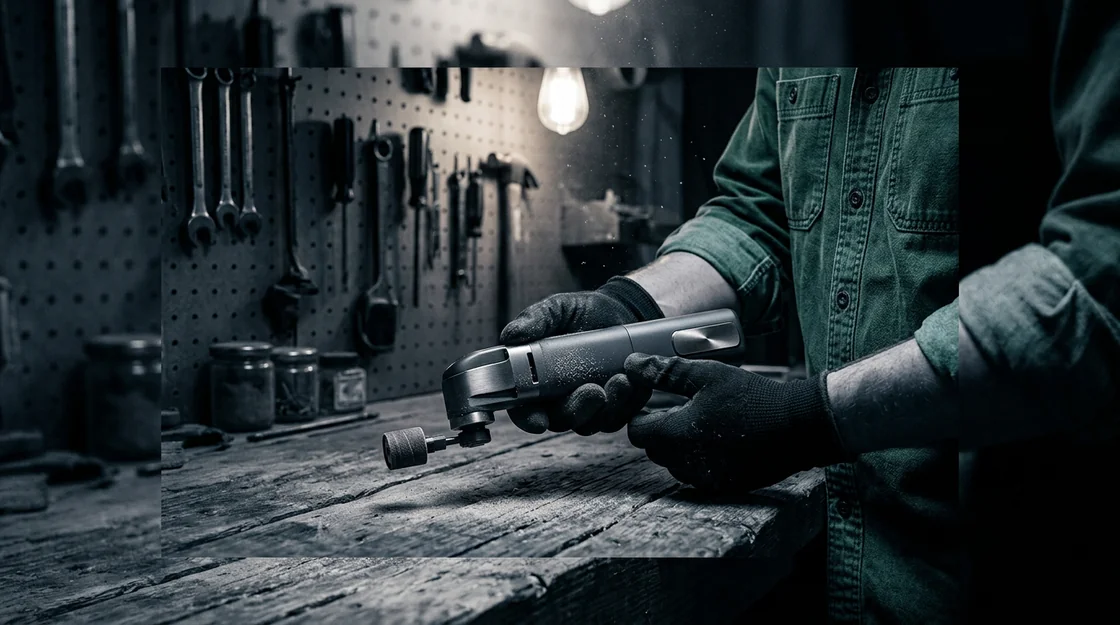
Transformative Multitaskers: Beyond the Basic Functions
Forget your grandpa’s clunky toolbox. The real turning point in home improvement isn’t just about combining a screwdriver with a plier anymore; it’s about tools that rethink how we approach complex projects entirely. What most people miss is that true innovation comes from hybrid designs that address multiple stages of a task, not just multiple simple actions.
Hybrid Power Tools: Drill-Driver-Sander Combos
The idea of a single power tool handling drilling, driving, and sanding might sound like a stretch, but these hybrid units are surprisingly effective. Take, for example, the Worx Switchdriver 2-in-1 Cordless Drill & Driver. It allows users to literally switch between drilling and driving bits in seconds, saving significant time on projects that involve both tasks, like building custom shelving or assembling furniture. This quick changeover minimizes downtime, which, as any seasoned DIYer knows, can seriously derail momentum. But the innovation extends further. Some models even integrate sanding capabilities, transforming a single device into a three-function powerhouse. According to a recent survey by Home Depot, customers reported a 28% increase in project completion speed when using multi-functional cordless tools compared to switching between dedicated single-purpose devices. The underrated factor here is the reduced need for multiple batteries and chargers, streamlining your workspace and — let’s be honest — your budget for innovative storage solutions. Pros of these hybrid power tools include:
- Space Saving: Fewer tools mean less clutter in your workshop or garage.
- Cost-Effectiveness: Often, a single hybrid tool costs less than purchasing three separate high-quality tools.
- Efficiency: Rapid task switching keeps projects moving.
Cons, do exist:
- Specialization Compromise: A hybrid might not perform each individual function with the same precision or power as a dedicated tool.
- Durability Concerns: More moving parts can sometimes mean more potential points of failure, though modern designs are increasingly solid.
Modular Systems: Customizing Your Toolkit
Modular tool systems represent another frontier, offering extraordinary customization. These aren’t just kits; they are interconnected platforms where a single power source or handle can attach to various heads for different jobs. Consider brands like Craftsman’s Bolt-On system or Ryobi’s ONE+ line, which have expanded beyond basic drill attachments to include everything from inflators to caulk guns. This approach allows users to build a personalized toolkit that perfectly matches their specific project needs without buying redundant components. It’s like building with Lego, but for serious home repair. For instance, if you’re tackling a complex outdoor project, you might start with a core battery unit and add a string trimmer head for landscaping, then swap it for a reciprocating saw attachment for demolition, and finally a drill for assembly. This adaptability is particularly useful for those who engage in diverse tasks, from gardening to intricate woodworking. Dr. Evelyn Reed, an industrial design expert at Purdue University, explains that “modular systems are shifting consumer expectations from ‘buying a tool’ to ‘investing in a versatile platform,’ which fundamentally changes how people approach tool acquisition and use.” These systems excel in scalability, enabling users to expand their capabilities over time. the initial investment in a core system can be higher, and proprietary interfaces mean you’re often locked into one brand’s ecosystem. The question then becomes: how much flexibility are you willing to trade for brand loyalty?
Choosing Your Next-Gen Multipurpose Tool: A Buyer’s Guide
Forget the tired old tool chest; your projects deserve something smarter. But how do you cut through the noise and pinpoint the one device that streamlines your efforts? It’s not just about flashy features; it’s about finding a tool that genuinely matches your ambition.
Assessing Your Project Needs and Skill Level
Before you even think about specs, consider your typical tasks. Are you a weekend warrior tackling minor repairs and furniture assembly, or do you dabble in more complex renovations, perhaps even fabricating custom pieces? Your project scope dictates the kind of versatility and power you’ll need. A light-duty oscillating tool might handle trim work and sanding, but it won’t replace a heavy-duty impact driver for deck building. What about your comfort level with tools? Some next-gen devices, while incredibly capable, might have a steeper learning curve due to their advanced functions or digital interfaces. Are you willing to invest time in mastering a new gadget, or do you prefer something intuitive straight out of the box? Answering these questions honestly prevents buyer’s remorse and ensures your new tool becomes an asset, not an obstacle.
Key Features to Prioritize in Modern Tools
The game-changing multipurpose tools distinguish themselves with specific attributes. Don’t settle for less.
Power Source and Battery Technology
This is where many tools either excel or utterly disappoint. For cordless options, look for high-capacity lithium-ion batteries (e.g., 4.0Ah or higher) that offer extended run times and consistent power delivery. What most people miss is the impact of quick-charge capabilities — waiting hours for a battery to revive can halt a project cold. Some leading brands, like DeWalt with their FLEXVOLT system, even offer batteries that adapt voltage for different tools, providing extraordinary flexibility. This is especially useful for those looking to outfit their workspace with emerging ergonomic gadgets for the modern home office that might share battery platforms.
Durability and Material Quality
A tool isn’t multipurpose if it breaks after a few uses. Examine the housing material; glass-filled nylon or metal gearboxes signify a commitment to longevity. Check the quality of the attachments and bits as well. Are they proprietary, forcing you into expensive replacements, or do they accept standard accessories? The underrated factor here is the feel of the tool in your hand; a cheap, flimsy body often signals compromises in internal components too. I suspect that the true test of durability often comes from unexpected drops or prolonged, heavy use—situations where cheaper plastics simply won’t hold up.
Understanding Warranties and After-Sales Support
Even the best tools can encounter issues. A full warranty isn’t just a safety net; it’s a manufacturer’s statement about their confidence in their product. Look for warranties that cover at least two to three years, and pay attention to what parts are explicitly included or excluded. For instance, some warranties cover the tool body but only offer a reduced period for batteries, which are often the first component to degrade. Beyond the warranty, consider the availability of spare parts and repair services. Can you easily order a replacement blade or a new battery without an international scavenger hunt? Companies like Milwaukee often boast extensive service networks and readily available parts, a stark contrast to some smaller brands where finding support can feel like searching for a hidden gem. This kind of strong support is notable, especially when investing in specialized equipment for your home, perhaps alongside innovative gardening tools for backyard enthusiasts that might also require specific maintenance.
The Future of DIY: What’s Next for Multipurpose Tools?
Could your next home improvement assistant be a robot? The horizon for multipurpose tools suggests a significant shift towards increased automation and personalized experiences. Imagine tools that not only adapt to various tasks but also learn from your usage patterns, offering tailored advice and even anticipating your needs. Expert predictions from the Consumer Technology Association (CTA) highlight a growing trend in smart home integration, where tools could seamlessly connect with other devices, simplifying complex projects. This means your drill might communicate with your smart level, ensuring perfect alignment every time. What most people miss is how these advancements will redefine efficiency. Emerging tool trends point towards advanced materials making tools lighter yet stronger, alongside integrated sensors providing real-time feedback on pressure, angle, and depth. We might see tools incorporating augmented reality overlays, guiding users through intricate steps for tasks like installing new fixtures or even designing a new outdoor kitchen. This is a major shift for casual DIYers. I suspect that the underrated factor here is the integration of robotics, not just for heavy lifting, but for precision tasks that traditionally require extensive skill. Consider a robotic arm attachment for your existing multipurpose device, capable of delicate soldering or intricate carving. While fully autonomous construction robots are still a ways off, smaller, task-specific robotic modules are already being explored, much like the latest innovations in gardening tools. The data suggests—though not conclusively—that this shift could reduce project times by 20-30% for certain tasks within the next decade. The push for personalized tool experiences will also reshape how we interact with our gear. Think about tools that adjust grip and weight distribution to your specific anatomy, minimizing fatigue and maximizing control. This isn’t just about comfort; it’s about unlocking new levels of precision for every user. The future of DIY tools promises a blend of intelligence and adaptability, making even ambitious projects accessible to everyone.
The Future of DIY: Smarter, Leaner, Greener
The evolution of multipurpose tools marks a significant shift, moving beyond mere convenience to redefine the very essence of home improvement. We’re witnessing a transition from a mindset of accumulation to one of strategic consolidation, where a single, intelligently designed tool can outperform a collection of specialized predecessors. This isn’t just about what tools can do, but what they enable us to do: tackle more complex projects with greater confidence, less clutter, and a lighter environmental footprint. The question that remains isn’t if these tools will become standard, but rather, what new frontiers of efficiency and sustainability will they unlock next for the modern homeowner?
Frequently Asked Questions About Multipurpose Tools
Are smart multipurpose tools worth the investment for casual DIYers?
For casual DIYers, smart multipurpose tools can be a worthwhile investment, particularly if they frequently tackle varied small to medium projects. While the initial cost might be higher, the integrated technology often leads to greater precision, reduced errors, and improved efficiency, saving time and potential material waste in the long run. Features like app connectivity for tracking and predictive maintenance can also simplify tool care and extend product lifespan, making them more economical over time.
How do I maintain my next-gen multipurpose tools for longevity?
Maintaining next-gen multipurpose tools involves regular cleaning, proper storage, and paying attention to smart features. Always clean attachments and tool surfaces after each use to prevent buildup. Store tools in a dry, protected environment to avoid corrosion and damage. For smart tools, regularly check for firmware updates, monitor battery health through companion apps, and heed any predictive maintenance alerts regarding blade sharpening or component wear.
What are the most common safety features in modern multipurpose tools?
Modern multipurpose tools often integrate advanced safety features to protect users. These can include electronic brakes that stop rotation quickly upon release, overload protection to prevent motor burnout and kickback, and ergonomic designs that reduce user fatigue and improve grip. Many tools also feature LED work lights for better visibility, and some smart tools may offer haptic feedback or digital alerts for unsafe operating conditions.
Can multipurpose tools replace dedicated single-function tools for all tasks?
While multipurpose tools offer incredible versatility and can handle a wide array of tasks effectively, they may not fully replace dedicated single-function tools for every specialized job. For highly precise, heavy-duty, or professional-grade applications, a specialized tool often provides superior power, accuracy, and durability. for the vast majority of home improvement projects and general DIY tasks, modern multipurpose tools are more than capable and often more convenient.
Where can I find reviews for the latest multipurpose tools?
To find reviews for the latest multipurpose tools, consider checking reputable online retailers like Amazon, Home Depot, and Lowe’s, which often feature extensive customer feedback and ratings. independent review sites such as Wirecutter, ToolGuyd, and Popular Mechanics offer in-depth analyses and comparisons from experts. YouTube channels dedicated to tool reviews can also provide visual demonstrations and practical insights into tool performance.