Decoding Urban Development: 10 Tips for U.S. Cities in 2026
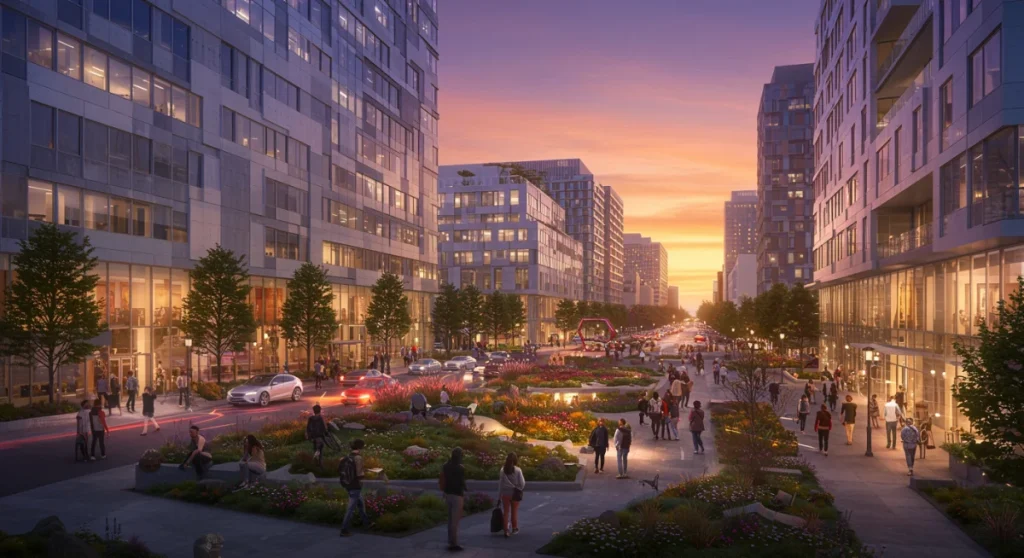
To effectively understand and explore U.S. cities in early 2026, it is crucial to recognize and interpret the evolving urban development trends shaping their landscapes, from sustainable infrastructure to community-focused designs.
As we approach early 2026, understanding the nuances of urban development trends in U.S. cities becomes increasingly vital for residents, visitors, and policymakers alike. The urban landscape is a dynamic tapestry, constantly rewoven by innovation, shifting demographics, and a renewed focus on sustainability and community.
The Rise of Smart City Technologies and Data-Driven Planning
The concept of a ‘smart city’ is no longer a futuristic dream but a tangible reality rapidly integrating into the fabric of U.S. urban centers. These cities leverage advanced technologies and data analytics to enhance efficiency, sustainability, and the quality of life for their inhabitants. From intelligent traffic management systems to interconnected public services, technology is reshaping how cities function and evolve.
Understanding these technological layers is key to navigating and appreciating modern urban environments. It’s not just about flashy gadgets; it’s about systemic improvements that impact everything from public safety to resource allocation.
Integrated Urban Systems
Smart cities often feature integrated systems that communicate with each other, creating a more cohesive and responsive urban environment. This integration can lead to significant improvements in various sectors.
- Transportation: Real-time traffic monitoring, smart parking solutions, and optimized public transit routes reduce congestion and travel times.
- Utilities: Smart grids, water management systems, and waste collection optimize resource use and reduce environmental impact.
- Public Safety: Connected surveillance and emergency response systems enhance security and facilitate quicker reactions to incidents.
- Citizen Engagement: Digital platforms allow for easier interaction between residents and city services, fostering greater civic participation.
These technological advancements are not uniform across all U.S. cities. Larger metropolitan areas often lead the charge, but smaller cities are also adopting tailored smart solutions to address their specific challenges. Exploring these cities means recognizing the digital infrastructure that underpins their daily operations.
In conclusion, smart city technologies are fundamentally transforming urban development, providing data-driven insights that enable more efficient, sustainable, and responsive urban planning. Recognizing these tech-driven shifts is essential for anyone looking to understand contemporary U.S. cities.
Sustainable Urbanism: Green Infrastructure and Resilient Design
Sustainability has moved from a buzzword to a foundational principle in urban development. U.S. cities are increasingly prioritizing green infrastructure and resilient design to combat climate change, enhance biodiversity, and improve public health. This shift reflects a growing awareness of environmental challenges and a commitment to creating healthier, more livable urban spaces for future generations.
Green infrastructure, such as urban forests, green roofs, and permeable pavements, works in harmony with natural systems to manage stormwater, reduce the urban heat island effect, and provide ecological benefits. Resilient design focuses on building cities that can withstand and recover from environmental shocks, from extreme weather events to resource scarcity.
Eco-Friendly Building Practices
New constructions and renovations are increasingly incorporating eco-friendly materials and energy-efficient designs. This approach not only reduces the carbon footprint of buildings but also lowers operational costs and improves indoor air quality.
- LEED Certification: Many new buildings aim for Leadership in Energy and Environmental Design (LEED) certification, a globally recognized symbol of sustainability achievement.
- Renewable Energy Integration: Solar panels and other renewable energy sources are becoming standard features in urban development projects.
- Water Conservation: Rainwater harvesting, greywater recycling, and low-flow fixtures are widely adopted to conserve water resources.
Beyond individual buildings, entire neighborhoods are being planned with sustainability at their core. These developments often feature extensive green spaces, pedestrian-friendly layouts, and access to public transportation, minimizing reliance on private vehicles. Understanding these eco-conscious efforts provides a deeper insight into the values driving urban evolution.
Ultimately, sustainable urbanism and resilient design are critical components of modern urban development. They represent a holistic approach to building cities that are not only functional and aesthetically pleasing but also environmentally responsible and future-proof.
Mixed-Use Developments and Walkable Neighborhoods
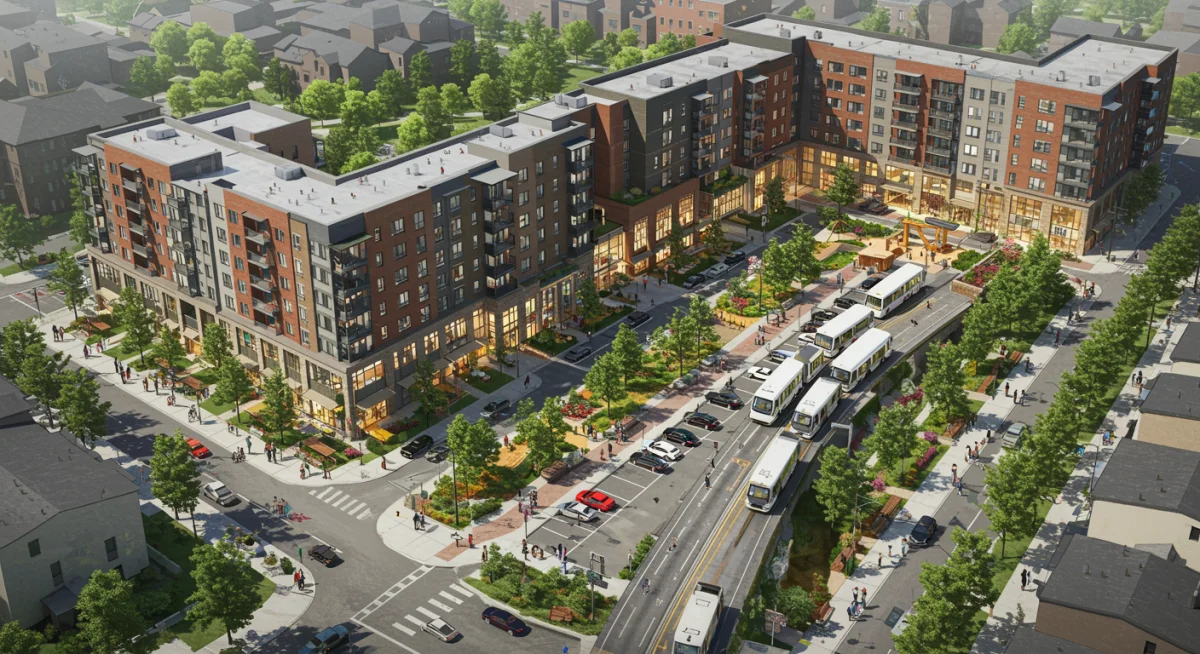
The era of single-use zoning, where residential, commercial, and industrial areas were strictly segregated, is gradually giving way to mixed-use developments. These integrated communities combine housing, retail, office spaces, and public amenities within a compact, walkable area. The goal is to create vibrant, self-sufficient neighborhoods where residents can live, work, and play without extensive reliance on cars.
This trend is driven by a desire for greater convenience, reduced commuting times, and enhanced community interaction. Walkable neighborhoods foster a stronger sense of place, encourage physical activity, and reduce carbon emissions associated with transportation.
Benefits of Mixed-Use Environments
Mixed-use developments offer a multitude of advantages for both residents and the urban fabric as a whole.
- Increased Vibrancy: A constant flow of people throughout the day and evening creates lively, safer streets.
- Economic Efficiency: Businesses benefit from a built-in customer base, and property values often appreciate.
- Reduced Car Dependency: Proximity to amenities encourages walking, cycling, and public transit use.
- Community Building: Shared public spaces and frequent interactions foster stronger social ties among residents.
Exploring U.S. cities means looking beyond the traditional downtown core and discovering these emerging mixed-use districts. They often represent the cutting edge of urban design, showcasing innovative architectural solutions and a renewed focus on human-centric planning. These areas are not just places to live; they are ecosystems designed for a higher quality of urban life.
In essence, the shift towards mixed-use developments and walkable neighborhoods is transforming how people experience urban living, creating more convenient, sustainable, and socially connected communities.
The Evolution of Public Spaces and Community Hubs
Public spaces are the lifeblood of any city, acting as vital arenas for social interaction, cultural expression, and civic life. In early 2026, U.S. cities are placing an increased emphasis on designing and revitalizing public spaces to serve as dynamic community hubs. This involves more than just parks; it includes plazas, waterfronts, streetscapes, and even repurposed industrial sites that are transformed into vibrant gathering places.
The goal is to create inclusive, accessible, and engaging environments that reflect the diversity of urban populations. These spaces are often designed with flexibility in mind, accommodating a range of activities from farmers’ markets to outdoor concerts, and providing essential green relief within the urban sprawl.
Designing for Inclusivity and Engagement
Modern public space design prioritizes features that encourage broad participation and a sense of belonging.
- Accessibility: Ensuring spaces are usable by people of all ages and abilities, with clear pathways and universal design principles.
- Flexible Programming: Spaces are designed to host various events and activities, from quiet contemplation to large-scale public gatherings.
- Green Amenities: Incorporating natural elements like trees, gardens, and water features to enhance aesthetics and ecological benefits.
- Art and Culture: Public art installations, performance spaces, and cultural programming enrich the user experience and reflect local identity.
Observing how cities invest in and activate their public spaces offers profound insights into their priorities and community values. These areas are not merely decorative; they are crucial infrastructure for social cohesion and urban well-being. From revamped historical squares to innovative new parks, these evolving public realms are central to the appeal of contemporary U.S. cities.
To summarize, the thoughtful development of public spaces into vibrant community hubs is a hallmark of progressive urban planning, enhancing social life and providing essential amenities for urban dwellers.
Affordable Housing Initiatives and Equitable Development
One of the most pressing challenges facing U.S. cities is the escalating cost of housing. In response, urban development trends in early 2026 are increasingly focused on affordable housing initiatives and equitable development strategies. The aim is to ensure that cities remain accessible and livable for people across all income brackets, preventing displacement and fostering diverse communities.
Equitable development goes beyond simply building affordable units; it involves creating opportunities for all residents to participate in and benefit from urban growth. This includes access to quality education, healthcare, employment, and public services, ensuring that development is inclusive and does not exacerbate existing inequalities.
Strategies for Housing Affordability
Cities are employing a variety of approaches to address the affordable housing crisis.
- Inclusionary Zoning: Requiring developers to set aside a percentage of units in new projects for low- and moderate-income residents.
- Public-Private Partnerships: Collaborations between city governments and private developers to finance and construct affordable housing.
- Density Bonuses: Offering incentives like increased building height or density to developers who include affordable housing units.
- Community Land Trusts: Non-profit organizations acquire land and ensure that housing built on it remains permanently affordable.
When exploring U.S. cities, paying attention to these initiatives reveals a city’s commitment to social equity. These efforts are not without their complexities, often involving delicate negotiations between various stakeholders. However, the push for more affordable and equitable cities is a defining characteristic of current urban development, aiming to create environments where everyone can thrive.
In conclusion, affordable housing and equitable development are critical considerations in modern urban planning, reflecting a commitment to social justice and the creation of inclusive urban environments.
The Impact of Remote Work on Urban Form and Commuting Patterns
The widespread adoption of remote work, accelerated by recent global events, continues to exert a profound influence on urban development. As we look towards early 2026, this shift is reshaping urban form, commuting patterns, and the demand for different types of spaces. Fewer daily commutes to central business districts mean less traffic congestion and a reduced need for traditional office towers, while demand for suburban housing and local amenities in residential areas increases.
This transformation presents both challenges and opportunities for urban planners. Cities must adapt to new patterns of population distribution and resource utilization, potentially leading to a decentralization of economic activity and the revitalization of neighborhoods previously considered residential only.
Changing Urban Dynamics
Remote work is altering fundamental aspects of urban life and planning.
- Residential Preferences: Increased demand for larger homes with dedicated workspaces, often leading to outward migration from dense city centers.
- Office Market Transformation: A shift towards flexible co-working spaces and smaller, more collaborative office footprints.
- Local Economy Boost: Greater spending in neighborhood businesses as people work and socialize closer to home.
- Reduced Commuting: Decreased reliance on public transportation and private vehicles for daily commutes, impacting infrastructure planning.
Observing how individual cities are responding to these changes can provide fascinating insights into their adaptability and foresight. Some cities are actively redeveloping vacant office spaces into residential units or mixed-use complexes, while others are investing in improved broadband infrastructure to support a distributed workforce. This evolving relationship between work and urban space is a key trend to monitor.
Ultimately, remote work’s lasting impact is driving a re-evaluation of urban design, necessitating flexible and adaptable solutions to meet the changing needs of residents and businesses.
Health-Focused Urban Design and Well-being Initiatives
As cities evolve, there’s a growing recognition of the profound impact urban environments have on human health and well-being. In early 2026, U.S. urban development is increasingly incorporating health-focused design principles and initiatives aimed at promoting physical activity, mental wellness, and access to healthy food. This holistic approach views cities not just as economic engines but as critical determinants of public health outcomes.
This trend manifests in various ways, from the creation of more parks and greenways to the implementation of policies that support active transportation and healthy eating. The goal is to design cities that actively contribute to the health of their residents, rather than merely accommodating them.
Elements of Healthy Urban Design
Several key elements are central to creating health-promoting urban environments.
- Active Transportation Infrastructure: Expanding networks of bike lanes, pedestrian pathways, and safe walking routes to encourage non-motorized travel.
- Access to Green Spaces: Increasing the number and quality of parks, community gardens, and natural areas for recreation and relaxation.
- Healthy Food Access: Supporting urban agriculture, farmers’ markets, and grocery stores in underserved areas to combat food deserts.
- Air Quality Improvement: Policies and infrastructure aimed at reducing pollution from traffic and industrial sources.
When exploring U.S. cities, look for evidence of these health-conscious developments. They often indicate a forward-thinking approach to urban planning that prioritizes human well-being alongside economic growth. These initiatives are not just about aesthetics; they are about building communities where residents can lead healthier, more fulfilling lives.
In summary, health-focused urban design is becoming an integral part of development, ensuring that cities are built to foster the physical and mental well-being of their inhabitants.
| Key Urban Trend | Brief Description |
|---|---|
| Smart City Tech | Integration of data and technology for efficiency and quality of life. |
| Sustainable Urbanism | Focus on green infrastructure and resilient design for environmental health. |
| Mixed-Use Development | Creating walkable neighborhoods with integrated living, working, and retail spaces. |
| Affordable Housing | Initiatives to ensure housing accessibility and equitable urban growth for all residents. |
Frequently Asked Questions About Urban Development Trends
The primary drivers include technological advancements, climate change concerns, demographic shifts, and a renewed emphasis on social equity. These factors collectively push cities towards more sustainable, efficient, and inclusive models of growth and design.
Smart city technology enhances residents’ lives through improved public services, such as optimized transportation, efficient waste management, and enhanced public safety. It also fosters greater civic engagement and provides real-time information for better decision-making.
Green infrastructure integrates natural systems into urban design to manage stormwater, reduce heat, and improve air quality. It contributes to biodiversity, provides recreational spaces, and enhances the overall environmental resilience and aesthetic appeal of cities.
Mixed-use developments are popular because they create vibrant, walkable neighborhoods, reduce car dependency, and foster a stronger sense of community. They offer convenience by integrating living, working, and leisure spaces, promoting a more balanced urban lifestyle.
Remote work is leading to a decentralization of urban activity, increased demand for suburban housing, and a transformation of office spaces. It encourages investment in local amenities and broadband infrastructure, reshaping commuting patterns and neighborhood dynamics significantly.
Conclusion
The landscape of U.S. cities in early 2026 is a testament to continuous evolution, driven by innovation, a commitment to sustainability, and a deep understanding of community needs. From the integration of smart technologies that streamline daily life to the deliberate creation of green infrastructure and accessible public spaces, urban development is increasingly geared towards fostering livable, equitable, and resilient environments. The shift towards mixed-use developments and a focus on affordable housing underscores a collective desire to build cities that serve all residents. As remote work continues to reshape our relationship with urban spaces, flexibility and adaptability remain paramount. Ultimately, exploring these trends offers a compelling glimpse into the future of urban living, highlighting the thoughtful planning and visionary approaches that are defining our cities.