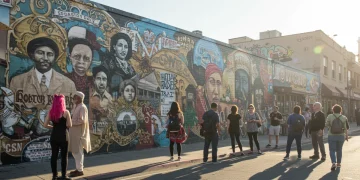
Undiscovered US Art Destinations: Emerging Talent 2026
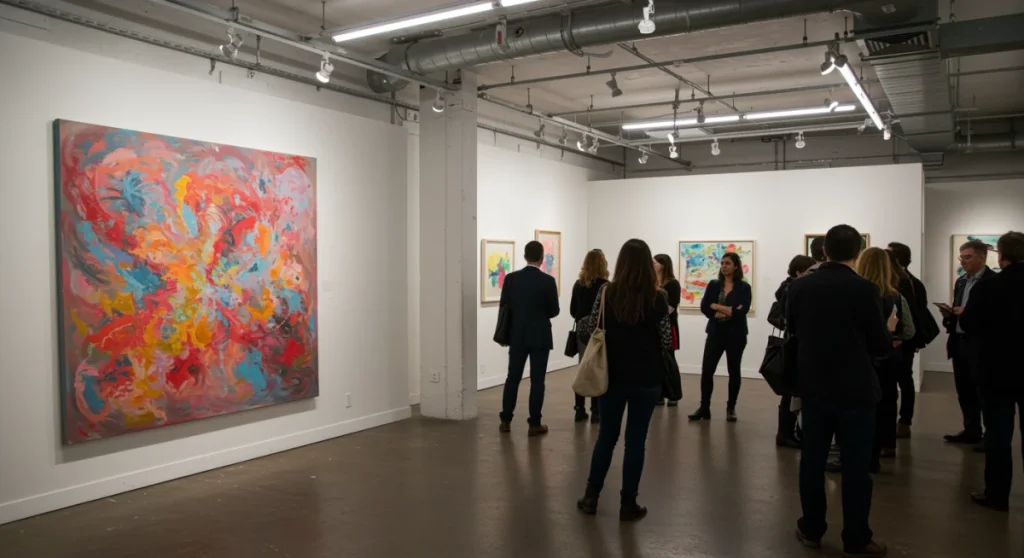
This guide identifies five burgeoning US cities poised to become significant art destinations by 2026, offering unique opportunities to discover and engage with emerging artistic talent and innovative cultural scenes.
Are you an art enthusiast constantly seeking the next big thing, eager to explore vibrant cultural landscapes before they hit the mainstream? If so, then this guide to undiscovered US art destinations for 2026 is precisely what you need. We’re diving deep into hidden gems across the country, offering insider access to emerging talent and experiences that will redefine your perception of the American art scene.
The evolving landscape of American art
The United States has long been a global epicenter for artistic expression, with iconic cities like New York and Los Angeles dominating the narrative. However, the art world is dynamic, constantly shifting, and new creative hubs are quietly flourishing, often away from the traditional spotlight. These emerging centers are driven by a confluence of factors: affordable living, supportive local communities, and a growing desire among artists to forge their own paths outside established institutions. Understanding this evolution is key to appreciating the unique appeal of these burgeoning art scenes.
Artists, gallerists, and collectors are increasingly looking beyond the conventional, seeking authenticity and innovation in unexpected places. This decentralization of art allows for a more diverse range of voices and styles to emerge, often reflecting local histories and contemporary social dialogues. The cities we’ll explore embody this spirit, providing fertile ground for artistic experimentation and community engagement.
Why look beyond major art cities?
While major art cities offer unparalleled access to world-class museums and galleries, they often present significant barriers for emerging artists, including high costs of living and intense competition. Undiscovered destinations, conversely, provide:
- Affordable studio spaces: Crucial for artists to create and experiment without financial strain.
- Supportive communities: Local governments and organizations often actively foster artistic growth.
- Unique local narratives: Art that directly reflects the specific culture and history of a region.
- Direct artist engagement: More opportunities for direct interaction with creators and their processes.
These factors contribute to a vibrant, accessible, and often more experimental art scene. The allure lies not just in discovering new artists, but in being part of the journey as these communities grow and define their artistic identities.
The American art landscape is not static; it’s a living, breathing entity that constantly redefines itself. By looking beyond the familiar, we uncover the true breadth and depth of creative talent thriving across the nation. This section sets the stage for our exploration, highlighting why these lesser-known locales are becoming increasingly vital to the future of art.
Asheville, North Carolina: Appalachian creativity unleashed
Nestled in the Blue Ridge Mountains, Asheville has long been known for its bohemian spirit and stunning natural beauty. What’s often overlooked, however, is its burgeoning art scene, which is rapidly gaining national attention. By 2026, Asheville is set to solidify its reputation as a haven for artists, particularly those working in craft, folk, and contemporary mediums, deeply influenced by the Appalachian landscape and culture.
The city’s compact, walkable downtown and the historic River Arts District (RAD) are at the heart of this artistic renaissance. The RAD, once an industrial area, has been transformed into a sprawling collection of studios, galleries, and workshops where visitors can interact directly with artists, observe their creative processes, and purchase unique works. This direct engagement fosters a strong sense of community and authenticity that is hard to find in larger art markets.
The River Arts District experience
The River Arts District is a testament to Asheville’s commitment to fostering artistic growth. It’s not just a place to view art; it’s a place to experience it being made. Artists often leave their studio doors open, inviting conversation and offering demonstrations. This immersive approach makes art accessible and demystifies the creative process for visitors.
- Interactive studios: Many artists offer workshops and classes, allowing visitors to try their hand at various crafts.
- Diverse mediums: From glassblowing and pottery to painting, sculpture, and textiles, the range is extensive.
- Second Saturday events: Monthly celebrations with open studios, live music, and food trucks.
- Public art installations: Murals and sculptures dot the landscape, transforming the urban environment into an open-air gallery.
Asheville’s art scene benefits from a strong local economy that values artisan crafts and supports independent businesses. This ecosystem allows emerging artists to thrive, experiment, and develop their unique styles, making it a prime destination for those seeking authentic, regional art. The city’s commitment to sustainability also often intertwines with its art, with many artists incorporating repurposed materials and environmentally conscious practices into their work.
The vibrant energy and collaborative spirit found in Asheville’s art community make it a standout destination for discovering new talent. It’s a place where the mountains inspire, and creativity flows freely, promising a rich cultural experience for visitors in 2026.
Richmond, Virginia: A history reimagined through art
Richmond, Virginia, a city steeped in American history, is undergoing a profound cultural transformation, with art playing a pivotal role in redefining its identity. Beyond its historical landmarks, Richmond is rapidly gaining recognition for its dynamic contemporary art scene, particularly in street art, experimental galleries, and a burgeoning fashion design community. By 2026, Richmond is poised to become a significant East Coast art destination, drawing visitors with its unique blend of past and present.
The Virginia Commonwealth University School of the Arts (VCUarts), consistently ranked among the top art schools in the nation, serves as a powerful incubator for emerging talent. Its graduates often choose to stay in Richmond, contributing to a youthful, innovative, and diverse artistic community. This influx of fresh perspectives is energizing the city’s galleries, public spaces, and even its culinary scene, fostering a holistic creative environment.
Exploring Richmond’s art districts
Richmond boasts several distinct art districts, each with its own character and focus:
- The Fan District: Known for its historic architecture and numerous small galleries showcasing local artists.
- Jackson Ward: A historically Black neighborhood that is experiencing a cultural renaissance, with new galleries, performance spaces, and murals celebrating its rich heritage.
- Carytown: A vibrant retail and dining district that also features art galleries and independent boutiques.
- Downtown Arts District: Home to larger institutions like the Virginia Museum of Fine Arts and a concentration of street art.
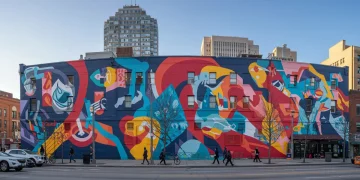
The city’s commitment to public art is particularly striking. Vibrant murals adorn buildings throughout downtown and in neighborhoods like the Fan, transforming ordinary streetscapes into open-air galleries. These murals often tell stories of Richmond’s past, present, and aspirations for the future, engaging residents and visitors in meaningful dialogue. The annual RVA Street Art Festival, for instance, has become a major draw, attracting renowned artists and showcasing local talent.
Richmond’s art scene is a compelling narrative of a city embracing its future while honoring its past. The blend of historical reverence and contemporary innovation creates a fertile ground for emerging artists to explore complex themes, making it an exciting destination for art lovers in the coming years.
Oklahoma City, Oklahoma: The prairie’s modern masterpiece
Oklahoma City might not be the first place that comes to mind when considering cutting-edge art, but this perception is rapidly changing. Over the past decade, OKC has undergone a dramatic revitalization, fueled by ambitious urban development projects and a concerted effort to foster a vibrant arts and culture scene. By 2026, Oklahoma City will be recognized as a surprising and significant hub for contemporary art, particularly in performance, conceptual art, and immersive installations.
The city’s affordability and growing infrastructure have attracted a diverse group of artists seeking space and opportunity. The Plaza District and Paseo Arts District are at the forefront of this artistic surge, offering a blend of galleries, studios, and independent businesses that create a lively, walkable cultural experience. This grassroots movement is supported by local initiatives and a growing appreciation for artistic expression among residents.
Art and urban renewal in OKC
The success of Oklahoma City’s art scene is inextricably linked to its urban renewal efforts. The MAPS (Metropolitan Area Projects) initiatives have transformed the city’s infrastructure, creating new public spaces, parks, and cultural venues that serve as canvases for artistic expression. This forward-thinking approach has created an environment where art is not just tolerated but actively integrated into the urban fabric.
- The Plaza District: Known for its colorful murals, independent boutiques, and monthly art walks.
- Paseo Arts District: Oklahoma City’s oldest arts district, home to over 20 galleries and studios in Spanish colonial revival buildings.
- 21c Museum Hotel: A unique combination of contemporary art museum and boutique hotel, featuring rotating exhibitions.
- Factory Obscura: An immersive art experience that blurs the lines between art, music, and performance, offering interactive installations.
The entrepreneurial spirit of Oklahoma City extends to its art community, with many artists and gallerists taking innovative approaches to showcasing work and engaging audiences. There’s a palpable sense of excitement and possibility, as artists are actively shaping the city’s cultural identity. The relative lack of established art hierarchies also means more opportunities for emerging artists to exhibit and gain recognition.
Oklahoma City represents a compelling narrative of a city reimagining itself through the power of art. Its commitment to growth, coupled with a burgeoning creative class, makes it an exciting destination for discovering the next wave of American artists.
Providence, Rhode Island: A creative crucible in New England
Providence, Rhode Island, often overshadowed by its larger New England neighbors, is a city with a rich artistic heritage that is experiencing a vibrant resurgence. Home to the prestigious Rhode Island School of Design (RISD), Providence has long been a breeding ground for artistic talent. By 2026, the city is poised to emerge as a significant art destination, particularly for experimental art, design, and new media, offering a more intimate and accessible alternative to major art markets.
The city’s compact size and high concentration of artists create a unique, collaborative environment. The downtown area, with its historic architecture and revitalized waterfront, provides a stunning backdrop for galleries, public art installations, and creative businesses. This close-knit community fosters interdisciplinary collaboration and a strong sense of local pride in its artistic output.
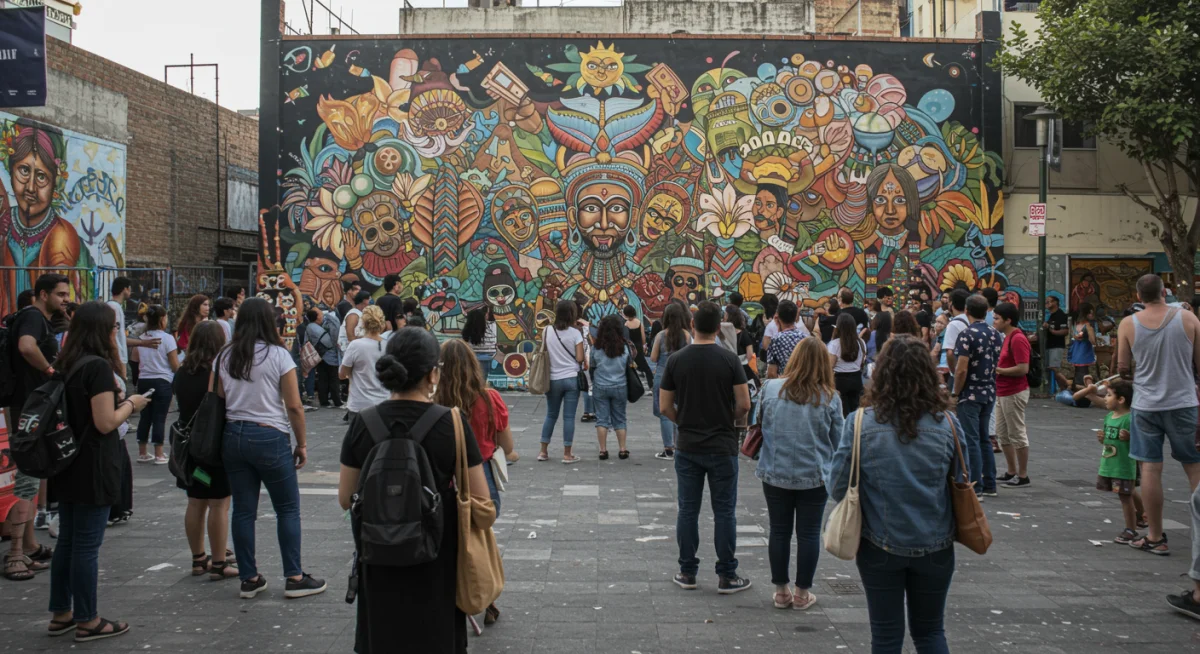
RISD’s influence and community engagement
RISD’s presence is undeniably a cornerstone of Providence’s art scene. The institution not only attracts top artistic talent from around the world but also actively contributes to the city’s cultural fabric through exhibitions, public lectures, and community partnerships. Many RISD graduates choose to remain in Providence, establishing studios and galleries that further enrich the local artistic ecosystem.
- RISD Museum: Houses an impressive collection spanning ancient to contemporary art, serving as a major cultural anchor.
- WaterFire Providence: An award-winning art installation on the city’s rivers that draws millions of visitors and features local artists.
- Gallery Night Providence: A monthly event where galleries, museums, and cultural institutions open their doors for free.
- AS220: A non-profit community arts organization providing exhibition space, performance venues, and affordable studios.
Providence’s creative energy extends beyond traditional galleries. The city embraces public art, with murals, sculptures, and innovative installations integrated into its urban landscape. The annual PVDFest, a multi-arts festival, transforms the city into a celebration of creativity, showcasing local and international talent in music, dance, and visual arts. This commitment to public engagement makes art accessible to everyone, fostering a stronger connection between artists and the community.
Providence stands as a testament to the power of a strong arts education and a supportive community. Its intimate scale combined with its deep artistic roots makes it an ideal destination for discovering the cutting edge of contemporary art and design in 2026.
Boise, Idaho: The unexpected Western art frontier
Boise, Idaho, might seem like an unlikely candidate for an emerging art destination, yet this vibrant capital city in the Pacific Northwest is rapidly cultivating a sophisticated and diverse art scene. Driven by a growing population, a strong tech industry, and a commitment to cultural development, Boise is transforming into an unexpected frontier for contemporary art, particularly in digital art, environmental installations, and a unique blend of Western-inspired modernism. By 2026, Boise will surprise many with its robust artistic offerings.
The city’s relatively low cost of living and high quality of life have attracted a new wave of artists and creative professionals. This influx, combined with strong local support for the arts, has led to the proliferation of new galleries, studios, and cultural events. Boise’s artistic identity is still being defined, offering a fresh and unpretentious environment for both creators and collectors.
Boise’s burgeoning art ecosystem
Boise’s art scene is characterized by its collaborative spirit and a willingness to experiment. The city’s downtown core and the growing Linen District are becoming focal points for artistic activity, with a mix of established galleries and independent art spaces. The community’s appreciation for outdoor recreation also influences its art, with many artists drawing inspiration from Idaho’s stunning natural landscapes.
- First Thursday Art Walk: A popular monthly event where downtown galleries and businesses showcase local and regional artists.
- Boise Art Museum (BAM): A significant regional museum featuring contemporary art, with a strong focus on art of the American West.
- Treefort Music Fest: While primarily a music festival, Treefort also incorporates extensive visual art, film, and interactive installations.
- The Basque Block: A unique cultural district that celebrates Boise’s Basque heritage, often featuring related art and cultural events.
Boise’s art development is also supported by its growing tech sector, which fosters innovation and provides opportunities for digital artists and those working with new media. This convergence of technology and creativity is producing unique artistic expressions that reflect the city’s forward-looking perspective. The city’s commitment to public art is also evident, with numerous sculptures and murals enhancing its urban spaces.
Boise is a prime example of how a city can organically grow its art scene through community investment and a welcoming environment for artists. It offers a refreshing and authentic experience for those looking to discover the next wave of Western American art in 2026.
Accessing emerging talent: tips for the discerning art traveler
Discovering emerging talent in these burgeoning art destinations goes beyond simply visiting galleries. It requires a proactive approach, an open mind, and a willingness to engage with the local art community. By adopting a few key strategies, you can gain insider access to the artists and movements shaping the future of American art. The goal is to move beyond passive observation and become an active participant in the discovery process.
Networking and genuine interaction are paramount. Many emerging artists thrive on direct feedback and connections, and these smaller art scenes often provide more intimate opportunities for such exchanges. This section offers practical advice for maximizing your art exploration in these exciting new hubs.
Strategies for engaging with the local art scene
To truly tap into the pulse of these undiscovered art destinations, consider these approaches:
- Attend art walks and open studio events: These are prime opportunities to meet artists, see their creative spaces, and purchase directly from them.
- Visit university art departments: Art schools like RISD (Providence) and VCUarts (Richmond) often host student exhibitions that showcase future talent.
- Explore alternative art spaces: Look for pop-up galleries, artist-run initiatives, and community art centers that often feature experimental work.
- Engage with local art bloggers and critics: They often have their finger on the pulse of the local scene and can offer valuable recommendations.
- Support local art organizations: Attending fundraisers or becoming a member can provide deeper insights and exclusive access.
Beyond formal venues, simply striking up conversations with locals—from baristas to boutique owners—can lead to unexpected discoveries. Many residents in these art-centric cities are passionate about their local artists and eager to share recommendations. Always remember to respect artists’ processes and intellectual property, and approach interactions with genuine curiosity.
The beauty of exploring undiscovered art destinations lies in the personal connection you can forge with the art and its creators. By being an engaged and curious traveler, you not only discover incredible talent but also contribute to the growth and sustainability of these vibrant cultural communities.
| Destination | Key Art Focus |
|---|---|
| Asheville, NC | Craft, folk, and contemporary art influenced by Appalachian culture. |
| Richmond, VA | Street art, experimental galleries, fashion design, and historical narratives. |
| Oklahoma City, OK | Performance, conceptual art, immersive installations, and urban renewal. |
| Providence, RI | Experimental art, design, new media, and a strong RISD influence. |
Frequently asked questions about emerging US art scenes
An “undiscovered” art destination is a city or region with a burgeoning, vibrant art scene that has not yet achieved widespread national or international recognition. These places often boast a high concentration of emerging artists, innovative galleries, and unique cultural events, offering a fresh alternative to traditional art hubs.
Visiting these emerging destinations provides an opportunity to discover groundbreaking talent before it becomes mainstream. You can experience art in more intimate settings, engage directly with artists, and witness the organic growth of a creative community. It’s a chance to be at the forefront of cultural trends and support local economies.
To stay informed, check local tourism websites, city arts council pages, and independent cultural guides. Social media channels of local galleries and artist collectives are also excellent resources. Many cities host monthly art walks or open studio events, which are fantastic for direct engagement.
Absolutely. Emerging art destinations are ideal for collectors looking to acquire unique pieces from rising stars at more accessible price points. Direct engagement with artists allows for deeper understanding of their work, and supporting these scenes contributes to fostering new talent and diverse artistic voices.
The art varies by city, but generally, you’ll find a mix of contemporary painting, sculpture, craft, street art, digital media, and performance art. Each destination offers unique regional influences, from Appalachian crafts in Asheville to experimental design in Providence, reflecting the local culture and artistic leanings.
Conclusion
The American art scene is a vast and dynamic tapestry, constantly weaving new threads of creativity in unexpected places. Our exploration of these five undiscovered US art destinations—Asheville, Richmond, Oklahoma City, Providence, and Boise—reveals a compelling narrative of innovation, community, and artistic resilience. These cities are not merely footnotes in the art world; they are vibrant, growing epicenters of emerging talent, offering unique and enriching experiences for art lovers and intrepid travelers alike. By venturing beyond the well-trodden paths, you gain an unparalleled opportunity to connect with the artists who are shaping the future of American art, fostering a deeper appreciation for the diverse and ever-evolving cultural landscape of the United States. In 2026, these hidden gems will shine brighter than ever, inviting you to witness their artistic renaissance firsthand.