Unearthing 7 Overlooked US National Parks for Your 2026 Adventure: Insider Tips for Solitude and Stunning Views
In a world increasingly seeking connection with nature, the allure of the United States National Parks remains undeniable. Yet, for every Yellowstone or Yosemite, bustling with millions of visitors, there exists a treasure trove of equally spectacular, yet vastly overlooked national parks, offering unparalleled solitude and breathtaking beauty. As we look towards 2026, many seasoned travelers and nature enthusiasts are yearning for experiences that transcend the well-trodden paths, seeking genuine immersion in the wilderness without the crowds. This comprehensive guide is your passport to uncovering seven such hidden gems, providing not just a glimpse into their wonders, but also practical, insider tips to plan your unforgettable adventure.
The concept of ‘overlooked’ doesn’t diminish the grandeur of these parks; rather, it elevates the experience for those willing to explore beyond the mainstream. Imagine vast landscapes where the only sounds are the whispers of the wind and the calls of wildlife, where dark night skies are ablaze with stars, and where every turn reveals a vista that feels uniquely yours. These overlooked national parks are not merely destinations; they are experiences, promising a deeper connection to nature and a profound sense of tranquility.
Planning a trip to these less-visited parks for 2026 requires a different approach. It’s about preparedness, respect for the environment, and an eagerness to embrace the unexpected. From the rugged badlands of South Dakota to the ancient petrified forests of Arizona, and the volcanic landscapes of California, each park presents its own unique challenges and rewards. Our aim is to equip you with the knowledge to navigate these less-traveled territories, ensuring your 2026 adventure is not just memorable, but truly transformative.
Why Choose Overlooked National Parks for Your 2026 Trip?
The decision to explore overlooked national parks in 2026 is a conscious choice for a more authentic and rewarding travel experience. While iconic parks like Zion or Grand Canyon are undeniably magnificent, their popularity often translates into crowded trails, booked-out accommodations, and a less intimate encounter with nature. The charm of the less-visited lies in their ability to offer:
- Unparalleled Solitude: Imagine hiking for hours and encountering only a handful of fellow adventurers, or perhaps none at all. This allows for deeper contemplation and a stronger connection to the natural world.
- Authentic Wilderness Experience: Without the extensive infrastructure and commercialization found in more popular parks, these hidden gems offer a raw, unfiltered wilderness experience.
- Unique Photographic Opportunities: Capture stunning landscapes without the constant presence of other tourists in your shots. The pristine nature of these locations provides endless inspiration for photographers.
- Greater Accessibility to Wildlife: With fewer human disturbances, wildlife often feels more comfortable and is more frequently sighted, offering incredible opportunities for observation.
- Reduced Environmental Impact: By dispersing visitation, you contribute to the sustainability of the entire National Park System, easing the pressure on overused areas.
- Personal Growth and Discovery: Venturing off the beaten path often leads to unexpected discoveries and a greater sense of accomplishment, fostering personal growth and resilience.
For your 2026 travel plans, consider these benefits as you weigh your options. The rewards of choosing an overlooked national park often far outweigh the convenience of visiting a more popular, but crowded, destination.
1. Badlands National Park, South Dakota: A Landscape of Ethereal Beauty
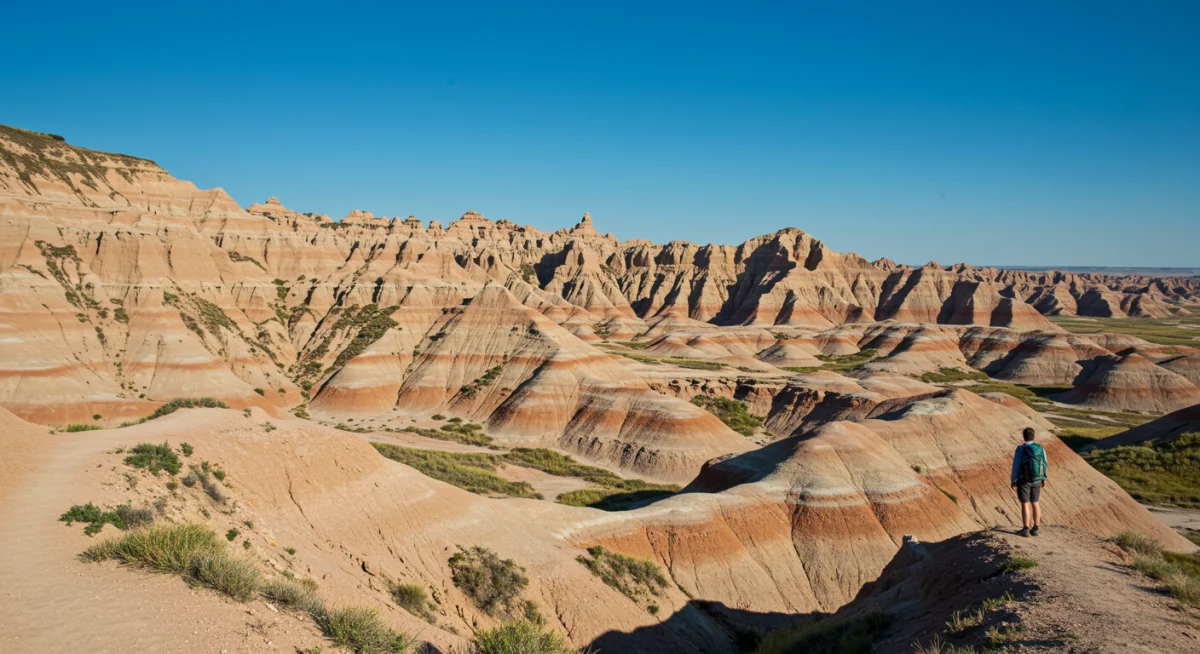
Often overshadowed by its neighbor, Mount Rushmore, Badlands National Park in South Dakota is a geological marvel that demands attention. Its dramatic, eroded buttes, pinnacles, and spires, carved by wind and water over millions of years, create an otherworldly landscape. The park is also home to one of the world’s richest fossil beds, offering a glimpse into ancient ecosystems.
Why it’s Overlooked and Why You Should Visit in 2026:
While many tourists flock to the Black Hills, Badlands often serves as a quick stop rather than a destination in itself. This means fewer crowds, especially outside of peak summer months. 2026 offers a perfect opportunity to explore its vastness without feeling rushed.
Insider Tips for Badlands:
- Best Time to Visit: Spring (April-May) and Fall (September-October) offer pleasant temperatures and fewer visitors. Summers can be hot, and winters cold with snow.
- Must-Do Activities:
- Scenic Loop Road: Drive the 39-mile Badlands Loop State Scenic Byway for breathtaking overlooks and wildlife viewing (bison, bighorn sheep, prairie dogs).
- Hiking: Explore trails like the Notch Trail (challenging, ladders), Door Trail (boardwalk, easy), and Castle Trail (longest, offers solitude).
- Fossil Exhibit Trail: An easy, accessible boardwalk trail with fossil replicas and interpretive signs.
- Stargazing: Badlands boasts incredibly dark skies, perfect for astronomy. Attend a ranger-led night sky program if available.
- Accommodation: Cedar Pass Lodge offers cabins within the park. Camping is available at Cedar Pass Campground (reservable) and Sage Creek Campground (first-come, first-served, primitive). Nearby Wall, SD, has motels.
- Photography Tips: Golden hour (sunrise/sunset) paints the badlands formations in spectacular colors. Look for wildlife near water sources.
- Preparation: Bring plenty of water, wear sturdy hiking shoes, and be prepared for extreme weather changes. Cell service can be spotty.
2. Congaree National Park, South Carolina: A Primeval Forest Sanctuary
Stepping into Congaree National Park is like entering another world. This floodplain forest in central South Carolina is home to the largest intact tract of old-growth bottomland hardwood forest in the United States, featuring some of the tallest trees in eastern North America. Its towering bald cypress and loblolly pines create a cathedral-like canopy, while the Congaree River meanders through, sustaining a rich biodiversity.
Why it’s Overlooked and Why You Should Visit in 2026:
Its relatively remote location and unique ecosystem mean it doesn’t attract the same crowds as mountain or desert parks. For 2026, it offers a serene escape, a chance to paddle through a flooded forest, and witness a truly ancient landscape.
Insider Tips for Congaree:
- Best Time to Visit: Fall (October-November) and Spring (March-April) provide pleasant temperatures and lower insect activity. Summers are hot and humid with abundant mosquitoes.
- Must-Do Activities:
- Boardwalk Loop Trail: An accessible 2.4-mile elevated boardwalk that winds through the old-growth forest, offering stunning views of the towering trees.
- Canoeing/Kayaking: Paddle the 20-mile Cedar Creek Canoe Trail, a marked route through the flooded forest. Bring your own or rent from local outfitters. This is arguably the best way to experience the park’s unique environment.
- Hiking: Beyond the boardwalk, explore longer trails like the Weston Lake Loop Trail or the River Trail for a more strenuous experience.
- Birdwatching: Congaree is a haven for migratory and resident birds.
- Accommodation: No lodging inside the park. Primitive camping is available at two campgrounds (reservations recommended). Columbia, SC, is about 30 minutes away with various lodging options.
- Photography Tips: Capture the scale of the trees, reflections in the water, and the unique light filtering through the canopy. Use a wide-angle lens.
- Preparation: Bring insect repellent, especially in warmer months. Wear appropriate footwear for wet conditions. Check water levels if planning to paddle.
3. Great Basin National Park, Nevada: From Desert Floor to Alpine Peaks
Great Basin National Park in eastern Nevada is a land of dramatic contrasts, encompassing everything from desert sagebrush to ancient bristlecone pine forests and glaciated mountain peaks. It’s a place where you can explore deep caves in the morning and hike above the treeline in the afternoon. Its isolation contributes to its status as one of the darkest national parks, offering unparalleled stargazing.
Why it’s Overlooked and Why You Should Visit in 2026:
Its remote location, far from major population centers, means it sees significantly fewer visitors than other Western parks. For your 2026 itinerary, Great Basin offers a chance to experience diverse ecosystems and truly dark skies.
Insider Tips for Great Basin:
- Best Time to Visit: Late Spring to early Fall (May-October) for access to higher elevations and Lehman Caves. Winter offers solitude but limited access due to snow.
- Must-Do Activities:
- Lehman Caves Tour: Explore the stunning marble caves with unique formations. Reservations are essential and book up quickly.
- Scenic Drive: Take the Wheeler Peak Scenic Drive to nearly 10,000 feet, offering access to hiking trails and breathtaking views.
- Bristlecone Pine Grove: Hike to see some of the oldest living organisms on Earth, the ancient bristlecone pines, on the Bristlecone Trail.
- Wheeler Peak: Summit Nevada’s second-highest peak (13,063 feet) for a challenging but rewarding alpine experience.
- Stargazing: Attend a ranger-led astronomy program or simply find a spot away from any light pollution to witness an incredible night sky.
- Accommodation: Several campgrounds are available within the park (some reservable, some first-come, first-served). Nearby Baker, NV, has limited lodging and services.
- Photography Tips: Capture the contrast between desert and mountain, the intricate details of the cave formations, and the vastness of the night sky.
- Preparation: Be prepared for significant elevation changes and rapid weather shifts. Bring layers, plenty of water, and snacks. Make cave tour reservations well in advance.
4. North Cascades National Park, Washington: The American Alps
North Cascades National Park, often referred to as the ‘American Alps,’ is a rugged wilderness of jagged peaks, deep valleys, more than 300 glaciers, and countless pristine lakes. Located in northern Washington State, it offers unparalleled backcountry opportunities for experienced hikers and mountaineers, yet also provides accessible beauty for day-trippers.
Why it’s Overlooked and Why You Should Visit in 2026:
Its remote location and challenging terrain mean that much of the park is only accessible via strenuous backpacking trips. However, the easily accessible Ross Lake and Diablo Lake areas offer stunning views without the need for extensive hiking. For 2026, it promises a truly wild and less-traveled mountain experience.
Insider Tips for North Cascades:
- Best Time to Visit: Late Spring to early Fall (June-September) when roads and trails are mostly snow-free.
- Must-Do Activities:
- Scenic Highway 20 (North Cascades Highway): This drive offers incredible views of the mountains, glaciers, and turquoise lakes (Diablo and Ross Lakes). It’s typically open from May to November.
- Diablo Lake Overlook: A must-stop for classic views of the vibrant turquoise water, colored by glacial flour.
- Hiking: Many trails range from easy strolls (e.g., Gorge Creek Falls) to challenging day hikes (e.g., Maple Pass Loop, Cascade Pass) and multi-day backpacking trips. Permits are required for overnight stays in the backcountry.
- Boating/Kayaking: Explore Ross Lake or Diablo Lake by boat. Rentals are available.
- Accommodation: Limited lodging within the park (Ross Lake Resort, North Cascades Lodge at Stehekin – accessible by boat/floatplane). Several campgrounds are available. Gateway towns like Marblemount and Winthrop offer more options.
- Photography Tips: Focus on the dramatic mountain peaks, glacial lakes, and dense forests. Early morning or late afternoon light is best.
- Preparation: Be prepared for mountain weather, which can change rapidly. Bring layers, good hiking boots, and bear spray if venturing into the backcountry. Check road conditions before you go.
5. Capitol Reef National Park, Utah: A Geologic Masterpiece
Nestled in south-central Utah, Capitol Reef National Park is a hidden gem often overshadowed by its more famous neighbors like Zion and Bryce Canyon. This park protects a 100-mile-long wrinkle in the Earth’s crust called the Waterpocket Fold, a monocline that exposes layers of colorful rock formations, canyons, and natural bridges. It’s a place of quiet grandeur and rich history, with ancient petroglyphs and historic orchards.
Why it’s Overlooked and Why You Should Visit in 2026:
Despite its stunning geology, Capitol Reef receives fewer visitors, making it an ideal choice for those seeking solitude in Utah’s red rock country. 2026 is a great year to explore its unique geological features without the intense crowds.
Insider Tips for Capitol Reef:
- Best Time to Visit: Spring (April-May) and Fall (September-October) offer ideal temperatures for hiking. Summers are very hot, and winters can be cold.
- Must-Do Activities:
- Scenic Drive: Enjoy the paved 8-mile (one-way) scenic drive with numerous pull-offs and short hikes into canyons.
- Hiking: Trails range from easy walks through orchards (Fruita Orchards) to moderate hikes with incredible views (Hickman Bridge, Grand Wash, Capitol Gorge) to strenuous backcountry treks.
- Fruita Historic District: Explore the historic schoolhouse, Gifford Homestead (for pies and ice cream!), and pick fruit in the orchards when in season (check park website for details).
- Petroglyph Panels: View ancient Fremont culture rock art along accessible boardwalks.
- Cathedral Valley: For a true backcountry experience, drive the unpaved 57-mile loop through Cathedral Valley (high-clearance 4×4 recommended, check road conditions).
- Accommodation: Fruita Campground (reservable) is the only developed campground in the park. Nearby Torrey, UT, offers various lodging and dining options.
- Photography Tips: Capture the vibrant colors of the rock formations at sunrise and sunset. Look for interesting light and shadow play in the canyons.
- Preparation: Bring plenty of water, sun protection, and sturdy hiking shoes. Cell service is limited.
6. Lassen Volcanic National Park, California: A Land of Fire and Ice
Lassen Volcanic National Park in northern California is a testament to Earth’s powerful geological forces. It’s one of the few places on Earth where all four types of volcanoes (shield, composite, cinder cone, and plug dome) can be found. The park is a landscape of steaming fumaroles, bubbling mud pots, active volcanoes, and clear mountain lakes, all set amidst beautiful forests.
Why it’s Overlooked and Why You Should Visit in 2026:
While California boasts iconic parks like Yosemite and Sequoia, Lassen often flies under the radar. Its unique hydrothermal features and volcanic landscapes offer a distinct experience away from the crowds. 2026 presents an opportunity to witness this active geological wonderland.
Insider Tips for Lassen Volcanic:
- Best Time to Visit: Late Spring to early Fall (June-October) when the main park road is open and most trails are accessible. Snow can linger well into summer at higher elevations.
- Must-Do Activities:
- Lassen Peak Trail: Hike to the summit of Lassen Peak (10,457 feet) for panoramic views of the surrounding volcanic landscape.
- Bumpass Hell Trail: Explore the largest hydrothermal area in the park via a boardwalk, featuring vibrant hot springs, mud pots, and fumaroles (check for trail opening dates, as it’s often covered in snow late into the season).
- Devastated Area: Walk through the remnants of the 1915 eruption of Lassen Peak, with interpretive signs explaining the event.
- Manzanita Lake: Enjoy picnicking, kayaking, fishing, and easy trails around this picturesque lake with views of Lassen Peak.
- Stargazing: Lassen offers excellent dark skies for night sky viewing.
- Accommodation: Campgrounds are available within the park (some reservable, some first-come, first-served). Drakesbad Guest Ranch offers rustic lodging. Nearby towns like Chester and Mineral have limited options.
- Photography Tips: Capture the steam and colors of the hydrothermal areas, the reflections in the lakes, and the dramatic volcanic peaks.
- Preparation: Be prepared for high altitudes and varying weather. Bring layers, sturdy hiking shoes, and plenty of water. Check road and trail conditions, especially early in the season.

7. Petrified Forest National Park, Arizona: A Journey Through Time
Petrified Forest National Park in northeastern Arizona is a kaleidoscope of color and ancient history. It’s famous for its vast deposits of fossilized wood, where trees that fell millions of years ago have turned to stone, displaying a stunning array of hues. Beyond the petrified logs, the park also features the colorful Painted Desert, ancient petroglyphs, and paleontological sites.
Why it’s Overlooked and Why You Should Visit in 2026:
Often seen as a drive-through park along I-40, Petrified Forest offers much more than a quick stop. Its unique geology and rich fossil record provide a truly distinct experience compared to other Southwestern parks. For 2026, it promises a tranquil journey through deep time.
Insider Tips for Petrified Forest:
- Best Time to Visit: Spring (March-May) and Fall (September-October) for mild temperatures. Summers are hot, and winters are cold but offer solitude.
- Must-Do Activities:
- Scenic Drive: The 28-mile main road winds through the park, offering access to all major points of interest.
- Crystal Forest Trail: An easy paved loop showcasing a dense concentration of sparkling petrified wood.
- Giant Logs Trail: Another short, paved loop with some of the largest and most colorful petrified logs, including ‘Old Faithful.’
- Blue Mesa Trail: A paved loop that descends into the colorful badlands of the Blue Mesa, offering unique perspectives.
- Painted Desert: Explore overlooks along the northern section of the park, revealing the stunning pastel hues of the badlands.
- Newspaper Rock: View over 650 petroglyphs carved into rock faces.
- Backcountry Hiking: For true solitude, obtain a free permit and explore the park’s designated wilderness areas.
- Accommodation: No lodging or camping within the park. Nearby Holbrook, AZ, offers various motels and services.
- Photography Tips: Focus on the intricate patterns and vibrant colors of the petrified wood. Capture the expansive, layered landscapes of the Painted Desert at sunrise or sunset for dramatic effects.
- Preparation: Bring plenty of water, sun protection (hat, sunscreen), and comfortable walking shoes. Stay on marked trails to protect the fragile resources.
General Planning Tips for Your 2026 Overlooked National Parks Adventure
Venturing into these less-traveled parks requires a bit more foresight and self-reliance. Here are some overarching tips to ensure a successful and enjoyable 2026 trip:
- Research Thoroughly: Each park has unique conditions, regulations, and accessibility. Check the official NPS website for the most up-to-date information on road closures, trail conditions, permits, and services.
- Book Early, Especially for Camping: Even in overlooked national parks, popular campgrounds can fill up, particularly on weekends or during peak seasons. Secure your reservations well in advance.
- Pack Smart: Layers are key for varying temperatures. Bring plenty of water, snacks, a first-aid kit, navigation tools (map, compass, GPS), sun protection, and insect repellent.
- Be Self-Sufficient: Services like gas, groceries, and cell service can be limited or non-existent in and around these parks. Fill up your tank, stock up on supplies, and download offline maps before arriving.
- Leave No Trace: Adhere to the seven principles of Leave No Trace. Pack out everything you pack in, stay on designated trails, respect wildlife, and minimize your impact.
- Check Weather Forecasts: Mountain weather can be unpredictable, and desert temperatures can swing wildly. Be prepared for all conditions.
- Inform Someone of Your Plans: Especially if you’re venturing into backcountry areas, let a friend or family member know your itinerary and expected return time.
- Embrace the Quiet: The beauty of these parks lies in their tranquility. Take time to sit, observe, and truly absorb the natural surroundings without distraction.
- Consider a Park Pass: If you plan to visit multiple national parks or federal recreation sites within a year, an America the Beautiful Pass can save you money on entrance fees.
- Attend Ranger Programs: Park rangers are a wealth of knowledge. Join a guided hike or evening program to learn more about the park’s ecology, geology, and history.
Conclusion: Your 2026 Journey to Uncharted Beauty
As you plan your 2026 travel adventures, consider stepping beyond the familiar and discovering the profound beauty and solitude offered by these overlooked national parks. From the ancient landscapes of Petrified Forest to the alpine grandeur of North Cascades, and the unique ecosystems of Congaree, each park offers a distinctive and deeply rewarding experience.
By choosing to explore these less-visited treasures, you not only grant yourself an intimate encounter with nature but also contribute to the sustainable enjoyment of our national park system. The tips provided in this guide aim to empower you to plan a safe, responsible, and truly unforgettable journey.
So, dust off your hiking boots, pack your sense of adventure, and prepare to unearth the hidden wonders of America’s overlooked national parks in 2026. The solitude, the stunning views, and the profound connection to the wild await you.