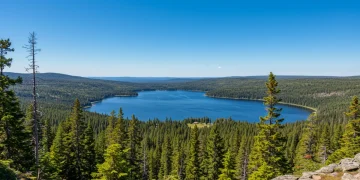
Adventure Awaits: US Hiking Trails for Breathtaking Views and Solitude
This year, discover three exceptional off-the-beaten-path US hiking trails that promise breathtaking views and much-needed solitude, providing a unique escape from crowded destinations for true adventure seekers.
As the desire for authentic experiences grows, many outdoor enthusiasts are seeking trails that offer more than just a scenic walk. They crave the quietude, the challenge, and the profound connection with nature that only truly remote locations can provide. This year, adventure awaits: 3 off-the-beaten-path US hiking trails offering breathtaking views and solitude, beckoning those who wish to escape the crowds and immerse themselves in the wild beauty of America’s hidden landscapes.
The Labyrinth of Zion’s Kolob Canyons: A Solitary Spectacle
While Zion National Park draws millions, its lesser-known Kolob Canyons section offers a dramatically different experience. Tucked away in the park’s northwest corner, this area provides an unparalleled sense of wilderness, with towering finger canyons and vibrant red rock formations that command attention without the constant presence of crowds. It’s a place where the scale of nature truly humbles, and the quiet allows for deep contemplation.
The trails here are less trafficked, often leading to moments of complete solitude. Hikers can explore ancient lava flows, discover hidden waterfalls, and traverse landscapes carved by millennia of geological forces. The remoteness demands preparation, but the rewards are immeasurable, offering a profound connection to the raw power and beauty of the American Southwest.
Exploring the Taylor Creek Trail
One of the most accessible yet rewarding hikes in Kolob Canyons is the Taylor Creek Trail. This relatively moderate 5-mile round trip follows a perennial stream, leading hikers through a lush riparian environment flanked by towering canyon walls. Along the way, you’ll encounter two historic cabins, remnants of early settler life, offering a glimpse into the past.
- Double Arch Alcove: The trail culminates at the Double Arch Alcove, a stunning natural amphitheater carved into the sandstone, providing a cool, shaded retreat and an awe-inspiring visual spectacle.
- Stream Crossings: Be prepared for multiple stream crossings, making waterproof footwear highly recommended, especially during spring runoff.
- Historical Significance: The Larson and Fife cabins offer unique historical insights, showcasing the resilience of those who once lived in this rugged terrain.
Navigating the La Verkin Creek Trail to Kolob Arch
For those seeking a more strenuous and extended adventure, the La Verkin Creek Trail to Kolob Arch is an absolute must. This 14-mile round trip trek delves deep into the canyon system, eventually revealing one of the world’s largest freestanding arches. The journey itself is as significant as the destination, winding through diverse ecosystems and offering continuous panoramic views.
The trail demands a full day or an overnight backpacking trip, requiring a wilderness permit for camping. The sheer scale of Kolob Arch, spanning over 287 feet, is a truly breathtaking sight, a testament to nature’s artistry. This hike epitomizes the off-the-beaten-path experience, where effort is directly proportional to the profound sense of accomplishment and natural wonder encountered.
Kolob Canyons offers a distinct alternative to the bustling main canyon of Zion. Its trails, while demanding, promise solitude and spectacular vistas, making it an ideal destination for those who wish to truly immerse themselves in the wilderness without the distractions of large crowds. The unique geological formations and the quiet atmosphere provide a powerful backdrop for an unforgettable hiking experience.
The Enchanted Wilderness of Washington’s North Cascades: Stehekin Valley
Far from the urban sprawl, deep within Washington’s North Cascades National Park, lies the remote Stehekin Valley. Accessible only by foot, ferry, or floatplane, Stehekin is a true gateway to an enchanted wilderness, offering an unparalleled sense of isolation and pristine natural beauty. This area is a hiker’s paradise, where towering peaks, alpine lakes, and dense forests converge to create a landscape of breathtaking grandeur.
The journey to Stehekin itself is an adventure, typically involving a scenic ferry ride across Lake Chelan. Once there, the valley unfolds with a network of trails ranging from gentle riverside walks to challenging climbs into the high country. The absence of roads and the limited infrastructure contribute to its untouched charm, making it a perfect destination for those yearning for true solitude.
Hiking the Pacific Crest Trail into Stehekin
Many experienced backpackers opt to hike a segment of the Pacific Crest Trail (PCT) into Stehekin. This provides an immersive experience, traversing some of the most stunning alpine scenery in the contiguous United States. While challenging, the views of glacier-carved valleys and jagged peaks are truly rewarding.
- Trail Accessibility: Various entry points along the PCT allow for different length hikes into the valley, catering to both multi-day backpackers and those seeking a shorter, intense experience.
- Permit Requirements: Backcountry permits are essential for overnight stays in the North Cascades, and it’s crucial to obtain them well in advance, especially during peak season.
- Wildlife Encounters: The area is rich in wildlife, including black bears, deer, and various bird species. Hikers should be prepared and practice Leave No Trace principles.
Exploring Day Hikes from Stehekin
For those basing themselves in Stehekin, numerous day hikes offer incredible access to the surrounding wilderness. The Agnes Gorge Trail, for instance, provides a relatively flat walk through old-growth forest to a dramatic gorge, showcasing the power of the Agnes Creek. Another popular option is the hike to Rainbow Falls, a spectacular 312-foot waterfall just a short distance from the Stehekin Landing.
The Stehekin Valley is not just about the destination; it’s about the journey and the profound peace found in its remote embrace. The pristine environment, coupled with the effort required to reach it, creates a sense of accomplishment and a deep appreciation for the untouched beauty of the North Cascades. It’s an ideal escape for those seeking quiet reflection amidst magnificent natural splendor.
The Rugged Beauty of Wyoming’s Wind River Range: Cirque of the Towers
The Wind River Range in Wyoming is a bastion of rugged, high-alpine wilderness, often overshadowed by its more famous neighbors, Grand Teton and Yellowstone. Yet, for those in the know, the Winds offer some of the most spectacular and challenging hiking in the Lower 48, with the Cirque of the Towers standing out as a jewel in its crown. This granite amphitheater, ringed by dramatic peaks and dotted with pristine alpine lakes, is a mecca for climbers and serious backpackers seeking true solitude.
Accessing the Cirque requires significant effort, typically involving a multi-day backpacking trip over high mountain passes. The trails are primitive, and the weather can be unpredictable, demanding self-reliance and experience in backcountry navigation. However, the reward is an immersion in an ancient landscape, untouched by mass tourism, offering views that truly take your breath away.
Trekking to the Cirque of the Towers
The most common approach to the Cirque of the Towers is via the Big Sandy Opening trailhead. From there, hikers embark on a challenging 8-10 mile one-way journey, often involving significant elevation gain over Jackass Pass. The trail winds through forests and meadows before ascending into the high alpine, where the first glimpses of the towering granite spires emerge.
- Elevation Challenges: Be prepared for high altitudes, with many trails exceeding 10,000 feet. Acclimatization is crucial to prevent altitude sickness.
- Navigation Skills: While trails are generally marked, having map and compass skills or a reliable GPS device is essential, as some sections can be less defined.
- Bear Safety: The Wind River Range is grizzly bear country. Hikers must carry bear spray and know how to use it, as well as practice safe food storage techniques.
Exploring the Alpine Lakes and Peaks
Once within the Cirque, a network of unofficial trails and cross-country routes allows for exploration of its numerous alpine lakes, such as Lonesome Lake, and provides access to the base of its iconic peaks like Wolf’s Head and Pingora. The opportunities for scrambling, peak bagging, and simply marveling at the raw geological power are endless. The silence is profound, broken only by the wind or the occasional call of a pika.
The Wind River Range, particularly the Cirque of the Towers, is not for the faint of heart. It demands respect, preparation, and a willingness to embrace true wilderness. But for those who answer its call, it offers an unforgettable adventure, a profound connection to nature, and the kind of breathtaking views and solitude that linger in the memory long after the boots are taken off. It’s a testament to the wild heart of America.
Preparing for Your Off-the-Beaten-Path Adventure
Embarking on an off-the-beaten-path hiking adventure requires meticulous planning and preparation. Unlike popular trails with abundant resources, these remote destinations demand a higher degree of self-reliance. Proper gear, navigational skills, and an understanding of wilderness ethics are paramount to ensuring a safe and enjoyable trip. Neglecting any of these aspects can turn an exciting adventure into a dangerous situation.
The allure of solitude often comes with increased responsibility. Hikers must be prepared for unexpected weather changes, potential wildlife encounters, and the absence of immediate assistance. Researching your chosen trail thoroughly, understanding its unique challenges, and packing accordingly are crucial steps for any successful wilderness excursion.
Essential Gear for Remote Trails
When heading into the backcountry, your gear list should prioritize safety, comfort, and self-sufficiency. Beyond the basics, consider items specific to the remote nature of these trails.
- Navigation Tools: Always carry a physical map and compass, and know how to use them, even if you rely on a GPS device or smartphone. Battery life can be unreliable in the wilderness.
- Water Filtration: Access to potable water may be limited. A reliable water filter or purification tablets are essential for staying hydrated.
- Emergency Shelter: A lightweight emergency tarp or bivy sack can provide crucial protection in unexpected situations, especially if you get delayed or lost.
Wilderness Ethics and Safety Practices
Preserving the pristine nature of these hidden gems is every hiker’s responsibility. Adhering to Leave No Trace principles is fundamental, ensuring that future generations can enjoy the same untouched beauty.
Safety in remote areas also involves being aware of your surroundings and having a plan for emergencies. Informing someone of your itinerary, expected return time, and carrying a personal locator beacon (PLB) or satellite messenger can be life-saving. Understanding basic first aid and knowing how to respond to common wilderness emergencies are also critical skills.
Preparation is the cornerstone of any successful off-the-beaten-path hiking trip. By equipping yourself with the right knowledge, gear, and mindset, you can fully embrace the challenges and rewards of exploring America’s most secluded and spectacular trails, ensuring both your safety and the preservation of these incredible natural treasures.
The Rewards of Solitude: Why Off-the-Beaten-Path Matters
In an increasingly connected and crowded world, the quest for solitude has become a profound desire for many. Off-the-beaten-path hiking trails offer more than just physical exercise; they provide a mental and spiritual sanctuary, a space where the noise of daily life fades, and the rhythm of nature takes over. This connection to the wilderness fosters a unique sense of peace and rejuvenation, often unattainable in more popular destinations.
The absence of crowds allows for a deeper immersion in the natural environment. You can hear the subtle sounds of the forest, observe wildlife undisturbed, and truly appreciate the vastness of the landscape without distraction. This solitude encourages introspection, creativity, and a renewed perspective on life, making these challenging treks incredibly rewarding on multiple levels.
Mental and Physical Benefits
Hiking in remote areas provides significant benefits beyond the immediate joy of exploration. The physical demands of rugged terrain build strength and endurance, while the mental challenge of navigation and self-reliance boosts confidence and problem-solving skills. The quiet environment also reduces stress, improves focus, and can even lead to better sleep.
- Stress Reduction: Studies show that spending time in nature significantly lowers cortisol levels, promoting relaxation and well-being.
- Enhanced Creativity: Disconnecting from technology and immersing oneself in quiet natural settings can spark new ideas and improve cognitive function.
- Increased Resilience: Overcoming challenges in the wilderness builds mental toughness and a greater sense of capability in daily life.
Preserving Wilderness and Minimizing Impact
Choosing off-the-beaten-path trails also contributes to the preservation of more accessible and popular areas by dispersing visitor impact. By exploring less-trafficked regions, hikers help reduce the strain on heavily used trails, allowing those ecosystems to recover and thrive. This conscious choice supports sustainable tourism and promotes a healthier balance within our national parks and wilderness areas.
The value of off-the-beaten-path hiking extends far beyond personal gratification. It is an act of environmental stewardship, a commitment to seeking out and appreciating the wild corners of our world responsibly. The solitude found on these trails is a precious commodity, offering not just breathtaking views, but a profound opportunity for self-discovery and a deeper appreciation for the natural world.
Navigating Challenges and Embracing the Unknown
Embarking on off-the-beaten-path hikes inherently means facing a degree of uncertainty and challenge. These trails are not always perfectly maintained, signage can be minimal, and conditions can change rapidly. Embracing this unknown is part of the adventure, but it also necessitates a proactive approach to safety and problem-solving. It’s about being prepared to adapt and trust your instincts when things don’t go exactly as planned.
From navigating tricky terrain to managing unexpected weather, the ability to respond effectively to challenges is a hallmark of experienced wilderness travelers. Rather than deterring, these challenges often deepen the connection to the environment and enhance the sense of accomplishment, making the breathtaking views and solitude even more profound.
Overcoming Trail Obstacles
Remote trails often present a variety of obstacles that are less common on well-trafficked paths. These can include fallen trees, washed-out sections, or faint blazes. Hikers must be equipped with the skills and patience to navigate these situations safely.
- Route Finding: Develop strong route-finding skills, using topographic maps, compass, and GPS effectively. Don’t rely solely on digital tools; they can fail.
- Physical Adaptability: Be ready for varied terrain, from rocky scrambles to muddy sections. Strong ankles and good balance are assets.
- Mental Fortitude: Maintain a positive attitude, even when faced with difficulties. Resilience is key to enjoying challenging wilderness experiences.
Dealing with Unpredictable Weather
Mountain weather, especially in remote areas, can be notoriously fickle. A sunny morning can quickly turn into an afternoon thunderstorm, or temperatures can drop dramatically at higher elevations. Being prepared for all four seasons, even in a single day, is not an exaggeration.
Packing layers of clothing, including waterproof and windproof outer shells, is essential. Monitoring weather forecasts before and during your trip is crucial, but also understanding how to react to sudden changes in conditions is vital. This might mean turning back, seeking shelter, or adjusting your itinerary. The wilderness demands respect, and sometimes that means altering plans for safety.
Embracing the challenges of off-the-beaten-path hiking is an integral part of the experience. It transforms a simple walk into a true adventure, sharpening your skills, testing your limits, and ultimately deepening your appreciation for the raw, untamed beauty of the United States. The unknowns become opportunities for growth and unforgettable memories.
Planning Your Escape: Logistics for Remote US Trails
Successfully embarking on an off-the-beaten-path hiking adventure in the US requires meticulous logistical planning. Unlike more accessible destinations, remote trails often have limited services, require specific permits, and demand a higher level of self-sufficiency. Comprehensive planning ensures not only a smoother trip but also enhances safety and enjoyment, allowing you to fully immerse yourself in the natural beauty without unnecessary stress.
From understanding permit systems to arranging transportation and emergency contacts, every detail counts. The effort invested in planning directly correlates with the quality of your wilderness experience. It’s about minimizing risks and maximizing the opportunity for genuine connection with the wild, breathtaking landscapes these trails offer.
Permits and Regulations
Many remote wilderness areas, especially those within national parks or designated wilderness areas, require permits for day hiking or overnight backpacking. These permits often limit the number of visitors to preserve the natural environment and ensure solitude.
- Research Early: Check the official websites of the relevant national park or forest service well in advance, as permit application windows can open months before your desired dates.
- Understand Quotas: Some popular remote trails have strict quotas, and permits can be highly competitive. Be flexible with your dates if possible.
- Follow Rules: Adhere strictly to all regulations, including fire restrictions, group size limits, and Leave No Trace principles, to protect these fragile ecosystems.
Transportation and Access
Reaching off-the-beaten-path trailheads can itself be an adventure. Many are located on unpaved roads, far from major airports or public transportation. Planning your travel logistics carefully is paramount.
Consider the type of vehicle needed for rough roads, and factor in extra time for travel. For areas like Stehekin, understanding ferry schedules or arranging floatplane transport is critical. Having a backup plan for transportation, or even an extra day built into your itinerary, can alleviate stress if unexpected delays occur. Coordinating with a shuttle service or arranging a car drop can also simplify point-to-point hikes. Reliable transportation ensures you start and end your adventure smoothly, leaving more energy for the trail itself.
Effective logistical planning transforms a challenging remote hike into a well-executed adventure. By taking the time to understand permits, transportation, and potential challenges, you set yourself up for an unforgettable experience on America’s most breathtaking and solitary trails, ensuring that your focus remains on the incredible views and the profound peace of the wilderness.
| Key Trail | Unique Feature & Solitude |
|---|---|
| Zion’s Kolob Canyons | Towering finger canyons and vibrant red rock, offering deep wilderness immersion away from main park crowds. |
| North Cascades: Stehekin Valley | Remote alpine wilderness accessible by ferry/foot, providing pristine natural beauty and isolation. |
| Wyoming’s Wind River Range: Cirque of the Towers | Rugged granite amphitheater with alpine lakes, a mecca for serious backpackers seeking extreme solitude. |
Frequently Asked Questions About Off-the-Beaten-Path Hiking
It refers to trails that are less frequented by the general public, often more remote, challenging, and with fewer amenities or services. These trails offer a greater sense of solitude and a more pristine wilderness experience compared to popular, crowded routes.
Key items include reliable navigation tools (map, compass, GPS), water filtration, emergency shelter, first-aid kit, appropriate layers of clothing, and bear spray in bear country. Proper preparation ensures safety and comfort in challenging environments.
Yes, many remote wilderness areas, especially within national parks or designated wilderness areas, require permits for both day hikes and overnight trips. Always check with the relevant land management agency well in advance, as quotas can apply.
Prioritize safety by informing someone of your itinerary, carrying a personal locator beacon (PLB) or satellite messenger, being prepared for rapidly changing weather, understanding basic first aid, and being aware of local wildlife, especially bears.
Solitude on remote trails offers profound mental and physical benefits, including stress reduction, enhanced creativity, and increased resilience. It allows for a deeper connection with nature and a unique sense of peace and rejuvenation away from modern distractions.
Conclusion
The United States is a land of incredible natural diversity, and while its iconic national parks draw millions, a wealth of unparalleled beauty and profound solitude awaits those willing to venture off the well-worn path. This year, the call of the wild is stronger than ever, inviting adventurers to explore the breathtaking vistas and tranquil corners of Zion’s Kolob Canyons, Washington’s Stehekin Valley in the North Cascades, and Wyoming’s majestic Wind River Range. These hidden gems offer not just stunning landscapes but an opportunity for deep introspection, physical challenge, and a renewed connection with the raw power of nature. By embracing meticulous planning, practicing responsible wilderness ethics, and preparing for the inherent challenges, hikers can unlock truly unforgettable experiences, discovering that the greatest adventures often lie where the crowds do not.