Businesses in the United States must understand the new Made in USA manufacturing incentives by Q2 2026 to leverage significant federal support designed to boost domestic production and strengthen economic resilience.
Understanding the landscape of New Incentives for Made in USA Manufacturing: What Businesses Need to Know by Q2 2026 is not merely an advantage; it’s a strategic imperative for any enterprise looking to thrive in the evolving American economic climate. As federal and state governments continue to prioritize domestic production, a wave of new programs and expanded benefits is set to reshape industries, offering unprecedented opportunities for growth and innovation.
The Resurgence of American Manufacturing: A Policy Overview
The call to strengthen domestic supply chains and reduce reliance on foreign production has grown louder, culminating in a series of legislative actions aimed at bolstering American manufacturing. These policies are not just about national pride; they represent a concerted effort to enhance economic security, create jobs, and foster technological advancement within the United States.
By Q2 2026, businesses will find themselves operating within a more favorable ecosystem, characterized by targeted financial incentives, streamlined regulatory processes, and enhanced support for workforce development. This strategic pivot reflects a long-term vision for a resilient and competitive American industrial base.
Key Legislative Drivers
- The CHIPS and Science Act: This landmark legislation provides substantial funding for semiconductor research, development, and manufacturing, directly impacting high-tech industries.
- Inflation Reduction Act (IRA): Beyond its climate provisions, the IRA includes significant tax credits and incentives for domestic production of clean energy technologies, critical minerals, and electric vehicles.
- Infrastructure Investment and Jobs Act (IIJA): This act emphasizes ‘Buy America’ provisions for federally funded infrastructure projects, creating a massive demand for domestically manufactured goods.
These legislative pillars collectively form the bedrock of the new incentive landscape, signaling a clear commitment from the government to prioritize and invest in American-made products and the industries that produce them. Businesses must navigate these acts to identify specific opportunities relevant to their operations.
In essence, the policy framework by Q2 2026 is designed to create a powerful pull for manufacturing investments back to American shores. Companies that align their strategies with these national objectives are poised to reap considerable benefits, ranging from direct financial aid to preferential procurement treatment.
Navigating Federal Grants and Tax Credits for Domestic Production
Federal grants and tax credits represent some of the most direct and impactful incentives available to businesses committed to domestic manufacturing. These financial mechanisms are designed to offset the costs associated with establishing or expanding production capabilities within the United States, thereby making ‘Made in USA’ a more economically viable choice.
Understanding the eligibility criteria and application processes for these programs is crucial. Many incentives are sector-specific, targeting industries deemed critical for national security or economic growth, such as semiconductors, renewable energy components, and advanced materials.
Understanding Key Financial Incentives
The landscape of federal support is multifaceted, requiring careful consideration of various programs.
- Investment Tax Credits (ITCs): Expanded ITCs under the IRA offer significant savings for investments in clean energy manufacturing facilities and equipment. These credits can reduce the tax burden for companies investing in domestic production.
- Production Tax Credits (PTCs): Similar to ITCs, PTCs provide ongoing tax benefits based on the volume of eligible goods produced domestically, encouraging sustained manufacturing activity.
- Department of Energy (DOE) Loan Programs: The DOE offers various loan guarantees and direct loans for projects that accelerate the domestic manufacturing of advanced energy technologies and vehicles.
- Department of Commerce Grants: Programs like the National Institute of Standards and Technology (NIST) offer grants for advanced manufacturing research and development, fostering innovation.
Businesses should proactively engage with federal agencies, utilize online resources, and consider professional consultation to identify the most suitable grants and tax credits for their specific investments. The application processes can be competitive and complex, necessitating thorough preparation and a clear articulation of how the project aligns with national priorities.
By strategically leveraging these financial incentives, businesses can significantly reduce their capital expenditures and operational costs, making domestic manufacturing not only competitive but often more attractive than offshore alternatives. This financial backing is a cornerstone of the broader effort to revitalize American industry.
Supply Chain Resilience and ‘Buy America’ Provisions
One of the primary motivations behind the new manufacturing incentives is the enhancement of supply chain resilience. Recent global disruptions have underscored the vulnerabilities of extended, international supply chains, prompting a strong push for greater domestic sourcing and production. The ‘Buy America’ provisions are central to this strategy, ensuring that federal procurement prioritizes domestically manufactured goods.
These provisions extend across a wide array of federally funded projects, from infrastructure development to defense contracts, creating a substantial and reliable market for American-made products. Businesses that can meet these requirements gain a significant competitive edge in securing government contracts.
Impact of ‘Buy America’
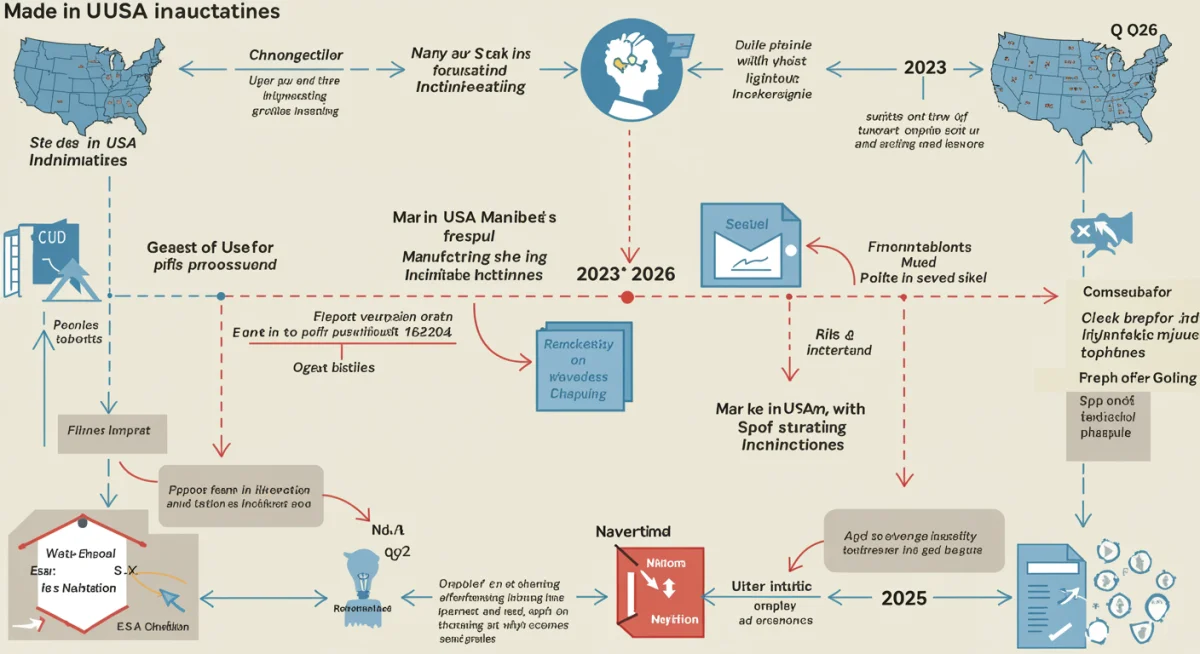
The ‘Buy America’ provisions are not just about preference; they often involve strict compliance standards.
- Increased Demand: Federally funded projects, ranging from roads and bridges to renewable energy installations, are now mandated to use American-made iron, steel, and manufactured products. This creates a predictable and substantial demand for domestic suppliers.
- Certification Requirements: Businesses seeking to participate in these projects must be prepared to demonstrate that their products meet stringent domestic content requirements, often requiring detailed documentation of their supply chain.
- Opportunities for Small and Medium-sized Businesses (SMBs): While large corporations often have the resources to navigate these requirements, specific programs and set-asides are designed to help SMBs also capitalize on ‘Buy America’ opportunities.
To fully benefit from these provisions, companies need to assess their current supply chains, identify potential gaps in domestic sourcing, and explore partnerships with other American manufacturers. Investing in robust tracking and certification processes will be vital to ensure compliance and avoid potential penalties. The strategic advantage gained from ‘Buy America’ compliance can translate into long-term contracts and market stability.
Ultimately, the emphasis on supply chain resilience and ‘Buy America’ provisions creates a powerful incentive for manufacturers to localize their operations and sourcing. This not only benefits individual businesses but also contributes to a more secure and robust national economy, less susceptible to external shocks.
Workforce Development and Training Programs
A thriving manufacturing sector relies heavily on a skilled workforce. Recognizing this, the new incentives for Made in USA manufacturing by Q2 2026 also include significant investments in workforce development and training programs. These initiatives aim to equip American workers with the skills needed for advanced manufacturing, addressing potential labor shortages and fostering innovation.
Businesses stand to benefit from these programs through access to a pipeline of trained talent, reduced training costs, and improved productivity. The focus is on creating a workforce capable of adapting to technological advancements and meeting the demands of modern industrial processes.
Investing in Human Capital
Several avenues exist for businesses to leverage these workforce development initiatives.
- Apprenticeship Programs: Federal and state governments are expanding support for registered apprenticeship programs, providing funding and resources for businesses to train new workers while they earn. This offers a direct pathway to skilled employment and helps companies build their talent pool.
- Community College Partnerships: Many incentives encourage partnerships between manufacturers and local community colleges or technical schools to develop tailored training curricula that meet specific industry needs. These collaborations help ensure that educational programs are directly relevant to employment opportunities.
- Upskilling and Reskilling Initiatives: Grants and tax credits are available for companies that invest in upskilling their existing workforce, adapting to new technologies such as automation, artificial intelligence, and advanced robotics. This ensures that the current labor force remains competitive and productive.
For businesses, actively participating in or developing their own training programs, often with government support, is a strategic move. It not only addresses immediate staffing needs but also cultivates a loyal and highly skilled workforce, crucial for long-term operational success. The investment in human capital is as critical as the investment in machinery and infrastructure.
These workforce development initiatives underscore a holistic approach to strengthening American manufacturing, recognizing that technological prowess must be matched by human expertise. By Q2 2026, the availability of a skilled workforce will be a significant factor in the success of domestic manufacturing operations.
State and Local Incentives: A Complementary Landscape
While federal incentives form a crucial foundation, businesses should not overlook the significant role of state and local governments in promoting Made in USA manufacturing. Many states and municipalities offer their own robust packages of tax breaks, grants, and other support mechanisms designed to attract and retain manufacturing operations within their jurisdictions. These can often complement federal programs, creating an even more attractive environment for investment.
The competitive nature of economic development among states means that businesses have opportunities to negotiate tailored incentive packages that address their specific needs and contribute to local economic growth. Understanding this layered incentive structure is key to maximizing overall benefits.
Exploring Regional Opportunities
The landscape of state and local incentives is diverse and dynamic.
- State Tax Credits: Many states offer R&D tax credits, investment tax credits, and job creation tax credits that can significantly reduce a company’s state tax liability. These are often designed to encourage specific types of manufacturing or investment in designated economic zones.
- Local Property Tax Abatements: Municipalities frequently offer property tax abatements for new or expanded manufacturing facilities, reducing the long-term cost of real estate and infrastructure.
- Infrastructure Development Grants: State and local governments may provide grants to help businesses with the costs of site preparation, utility upgrades, and transportation infrastructure necessary for manufacturing operations.
- Economic Development Agencies: State and local economic development agencies are invaluable resources, offering guidance on available incentives, assistance with permit processes, and connections to local resources and talent pools.
Businesses should conduct thorough research into the specific incentive programs offered by potential operating locations. Engaging with local economic development offices early in the planning process can yield substantial benefits, helping to identify the most advantageous regions for investment and growth. The synergy between federal and regional incentives can create a powerful catalyst for establishing or expanding manufacturing within the U.S.
By Q2 2026, the combination of federal, state, and local incentives will present a compelling case for businesses to prioritize domestic manufacturing, offering a comprehensive support system designed to foster a robust and competitive industrial future.
Strategic Planning for Q2 2026: Maximizing Incentive Utilization
To truly capitalize on the new incentives for Made in USA Manufacturing: What Businesses Need to Know by Q2 2026, a proactive and strategic approach is essential. Simply being aware of the incentives is not enough; businesses must integrate this knowledge into their long-term planning, operational adjustments, and investment decisions. This involves a comprehensive assessment of current capabilities, future growth objectives, and potential alignment with federal and state priorities.
Effective utilization of these incentives requires more than just filling out forms; it demands a fundamental shift in how businesses view their supply chains, workforce development, and technological adoption. The goal is not just compliance, but strategic advantage.
Key Steps for Strategic Implementation
- Comprehensive Audit: Conduct a thorough internal audit to identify areas where your current operations can align with incentive programs. This includes assessing supply chain localization potential, energy efficiency upgrades, and workforce training needs.
- Expert Consultation: Engage with legal, financial, and supply chain consultants who specialize in government incentive programs. Their expertise can help navigate complex regulations, optimize applications, and ensure compliance.
- Technology Adoption Roadmap: Develop a roadmap for adopting advanced manufacturing technologies (e.g., automation, AI, robotics) that are often prioritized by federal grants, enhancing efficiency and competitiveness.
- Proactive Engagement: Establish relationships with relevant government agencies, industry associations, and academic institutions. Being an active participant in these networks can provide early insights into new programs and opportunities.
- Risk Assessment and Mitigation: Understand the potential risks associated with shifting supply chains or investing in new domestic facilities, such as initial setup costs or regulatory hurdles. Develop strategies to mitigate these risks.
The period leading up to Q2 2026 offers a unique window for businesses to reposition themselves within the American manufacturing landscape. By meticulously planning and executing strategies that leverage these incentives, companies can secure a competitive advantage, foster sustainable growth, and contribute significantly to the nation’s economic resilience. This strategic foresight will distinguish successful enterprises in the coming years.
Ultimately, the success of leveraging these incentives hinges on a blend of careful planning, proactive engagement, and an unwavering commitment to domestic production. Businesses that embrace this challenge will not only benefit themselves but also play a vital role in shaping the future of American industry.
| Key Aspect | Brief Description |
|---|---|
| Federal Policy Drivers | CHIPS Act, IRA, and IIJA form the legislative backbone, offering targeted funding and mandates for domestic manufacturing across key sectors. |
| Financial Incentives | Includes expanded Investment Tax Credits (ITCs), Production Tax Credits (PTCs), and various grants to reduce costs for domestic production. |
| Supply Chain Focus | ‘Buy America’ provisions and initiatives to strengthen domestic supply chains are creating stable markets and demanding local sourcing. |
| Workforce Development | Investments in apprenticeship programs, community college partnerships, and upskilling initiatives to build a skilled manufacturing workforce. |
Frequently Asked Questions About Made in USA Manufacturing Incentives
The main legislative acts are the CHIPS and Science Act, the Inflation Reduction Act (IRA), and the Infrastructure Investment and Jobs Act (IIJA). These laws provide significant funding, tax credits, and procurement mandates to boost domestic production across various critical sectors, shaping the landscape by Q2 2026.
Businesses can access incentives through various channels, including applying for Investment Tax Credits (ITCs) and Production Tax Credits (PTCs), seeking grants from agencies like the Department of Commerce, and utilizing loan programs from the Department of Energy. Eligibility often depends on the industry and project type.
‘Buy America’ provisions mandate that federally funded projects prioritize domestically sourced iron, steel, and manufactured products. For manufacturers, this means a significant increase in demand for American-made goods, provided they meet strict domestic content and certification requirements for their products.
Yes, significant incentives support workforce development. These include funding for apprenticeship programs, grants for partnerships with community colleges to create tailored training, and tax credits for companies investing in upskilling their existing employees to meet the demands of advanced manufacturing technologies and processes.
State and local incentives are highly complementary to federal programs. They often offer additional tax breaks, grants, and property tax abatements tailored to attract specific manufacturing operations. Businesses should research these regional opportunities to create a comprehensive incentive package that maximizes their overall benefits.
Conclusion
The evolving landscape of New Incentives for Made in USA Manufacturing: What Businesses Need to Know by Q2 2026 presents a transformative opportunity for businesses across the United States. From robust federal legislation like the CHIPS Act and IRA to targeted state and local programs, the concerted effort to revitalize domestic production is undeniable. Companies that strategically engage with these incentives, focusing on supply chain localization, workforce development, and advanced technology adoption, are poised for significant growth and enhanced competitiveness. Proactive planning and a deep understanding of these multifaceted programs will be crucial for any enterprise aiming to thrive in the new era of American manufacturing, contributing to a stronger, more resilient national economy.