Practical Guide: Navigating the Latest ‘Buy American’ Act Updates for Your Business in 2026
The landscape of federal procurement is constantly evolving, and for businesses engaging with government contracts, staying ahead of regulatory changes is not just good practice—it’s essential for survival and growth. As we approach 2026, the ‘Buy American’ Act (BAA) continues to be a cornerstone of U.S. federal purchasing policies, with significant updates and increased enforcement shaping its application. Understanding these nuances is critical for any company looking to secure or maintain government contracts, optimize their supply chain, and demonstrate a commitment to domestic manufacturing. This comprehensive guide will delve into the latest iterations of the Buy American Act 2026, providing actionable insights and strategies to ensure your business remains compliant and competitive.
The ‘Buy American’ Act, first enacted in 1933, was designed to promote domestic manufacturing by requiring federal agencies to prefer U.S.-made products in their procurements. Over the decades, this foundational legislation has undergone various amendments and interpretations, reflecting shifts in economic policy, national security concerns, and global trade dynamics. The updates leading into 2026 are particularly significant, aiming to strengthen domestic supply chains, create American jobs, and enhance national economic resilience. These changes are not merely bureaucratic hurdles; they represent a strategic push by the U.S. government to foster a more robust domestic industrial base.
For businesses, the implications are far-reaching. From raw material sourcing to final product assembly, every stage of the supply chain must be scrutinized to ensure compliance with the evolving domestic content requirements. Failure to adhere to these regulations can result in severe penalties, including contract termination, financial repercussions, and reputational damage. Conversely, businesses that proactively adapt to the new mandates can unlock significant opportunities, positioning themselves as preferred partners for federal agencies and gaining a competitive edge in the marketplace.
This article aims to be your go-to resource for navigating the complexities of the Buy American Act 2026. We will explore the key changes, clarify the updated domestic content thresholds, discuss the waiver process, and provide practical steps for conducting thorough supply chain due diligence. Furthermore, we will examine the strategic advantages of compliance and offer insights into leveraging these changes for business growth. Whether you are a seasoned government contractor or considering entering the federal market, this guide will equip you with the knowledge and tools necessary to thrive in the evolving procurement environment.
Understanding the Core Principles of the Buy American Act
Before diving into the 2026 updates, it’s crucial to revisit the fundamental principles of the ‘Buy American’ Act. At its heart, the BAA mandates that the U.S. government give preference to domestically produced goods. This preference is primarily determined by two criteria: the ‘place of manufacture’ and the ‘domestic content’ of the product. For manufactured end products, the BAA generally requires that the product be manufactured in the United States and that the cost of its domestic components exceeds a certain percentage of the cost of all its components.
Specifically, the BAA applies to federal government procurements for articles, materials, or supplies that are for public use within the United States. It does not apply to purchases by state or local governments unless federal funds are involved and specific federal requirements are flowed down. It’s also important to distinguish the BAA from other related legislation, such as the Trade Agreements Act (TAA). While both promote domestic sourcing, the TAA generally applies to procurements above certain monetary thresholds and allows for products from designated countries to be treated as domestic, offering a different set of compliance considerations.
The BAA’s primary objective is to support American workers and businesses by ensuring that taxpayer dollars are reinvested into the domestic economy. This policy has a ripple effect, encouraging domestic job creation, stimulating local economies, and strengthening the U.S. industrial base. For contractors, this means a heightened responsibility to understand and verify the origin and composition of their products and those of their subcontractors.
Key Definitions and Terminology
To navigate the BAA effectively, a clear understanding of its key definitions is paramount:
- "Domestic End Product": An unmanufactured end product mined or produced in the U.S., or a manufactured end product manufactured in the U.S., if the cost of its components mined, produced, or manufactured in the U.S. exceeds a certain percentage of the cost of all its components. This percentage is a critical element that has seen significant changes.
- "Component": An item, material, or supply incorporated directly into an end product.
- "Cost of Components": Generally refers to the acquisition cost of the component, including transportation costs to the place of incorporation into the end product.
- "Manufactured in the United States": This typically means that the manufacturing process occurs in the U.S., and the product is substantially transformed within the U.S.
- "Commercially Available Off-the-Shelf (COTS) Item": A specific category of items that may have different compliance requirements under the BAA, often subject to certain exemptions or modified rules.
These definitions form the bedrock of BAA compliance. Any misinterpretation can lead to significant compliance issues, underscoring the need for meticulous attention to detail and ongoing education.
The Critical Updates to the Buy American Act for 2026
The Biden administration has significantly strengthened the ‘Buy American’ requirements, building upon executive orders and proposed rule changes that will fully come into effect by 2026. These updates are designed to close loopholes, increase the domestic content threshold, and provide greater transparency in the federal procurement process. Businesses must be aware of these changes and proactively adjust their strategies.
Increased Domestic Content Thresholds
Perhaps the most impactful change is the phased increase in the domestic content threshold for manufactured products. Historically, the threshold required that the cost of domestic components exceed 50% of the cost of all components. The new rules introduce a significant escalation:
- Initial Increase: The threshold was raised to 60% in October 2022.
- Further Increase: It will increase to 65% in January 2024.
- Final Increase: Crucially for our discussion, it will reach 75% in January 2029. However, the regulatory framework and the push for higher domestic content are already in full swing for Buy American Act 2026, meaning businesses must be well on their way to meeting these higher targets. The intention is clear: to incentivize greater domestic production and sourcing.
This phased approach provides businesses with a transition period, but the trajectory is undeniable. Companies need to start planning now to meet the 75% threshold, as the interim steps are merely milestones on the way to this more stringent requirement. For many businesses, this will necessitate a comprehensive review of their entire supply chain, from raw materials to sub-components and finished goods.
Enhanced Price Preference for Domestic Products
Beyond the content thresholds, the updates also include changes to the price preferences given to domestic products. When evaluating bids, federal agencies apply a price preference to domestic offers, meaning a domestic bid can be slightly higher than a foreign bid and still be awarded the contract. The new rules aim to make this preference more impactful, further tilting the scales towards U.S. manufacturers. This enhanced preference underscores the government’s commitment to prioritizing domestic industry and offers a tangible benefit to compliant businesses.
New Reporting Requirements and Transparency
To ensure greater accountability and transparency, the updated BAA framework includes new reporting requirements. Contractors may be required to provide more detailed information about the origin of their components and the manufacturing processes involved. This increased scrutiny aims to prevent fraudulent claims of domestic content and ensure that the spirit of the BAA is upheld. Businesses should prepare for more rigorous documentation and verification processes, potentially involving audits and supply chain traceability initiatives.
Waiver Process Modifications
While the BAA promotes domestic sourcing, it also includes provisions for waivers in certain circumstances, such as when domestic products are not available in sufficient quantity or quality, or when the cost would be unreasonable. The 2026 updates are likely to refine the waiver process, making it more stringent and requiring greater justification for granting waivers. The government’s intent is to make waivers the exception, not the rule, further pushing contractors towards domestic solutions. Businesses seeking waivers will need to present compelling evidence of unavailability or unreasonable cost, making strategic domestic sourcing even more critical.
Strategic Implications for Your Business in 2026
The reinforced Buy American Act 2026 will have profound strategic implications across various business functions. Proactive planning and adaptation are key to transforming potential challenges into competitive advantages.
Supply Chain Re-evaluation and Reshoring
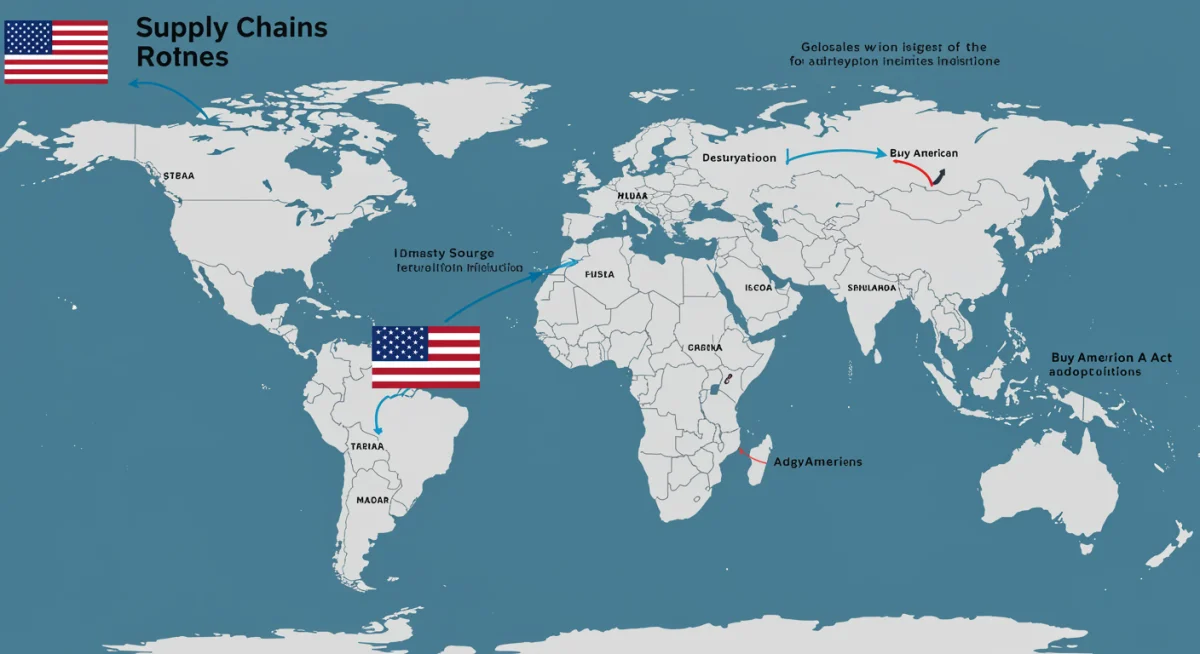
The most immediate and significant impact will be on global supply chains. Businesses reliant on foreign components or manufacturing must undertake a thorough re-evaluation. This might involve:
- Mapping Your Supply Chain: Gaining granular visibility into the origin of every component, sub-component, and raw material.
- Identifying "At-Risk" Components: Pinpointing materials or parts that do not meet the new domestic content thresholds.
- Exploring Domestic Alternatives: Actively seeking out U.S.-based suppliers for critical components. This could involve developing new supplier relationships or investing in domestic manufacturing capabilities.
- Reshoring or Nearshoring: For some, the solution might be to bring manufacturing processes or component production back to the United States or to allied countries that meet TAA requirements, if applicable.
This re-evaluation is not a one-time task; it’s an ongoing process requiring continuous monitoring and adaptation. The goal is to build resilient, compliant, and transparent supply chains that can withstand future regulatory shifts.
Investment in Domestic Manufacturing and R&D
The strengthened BAA acts as a powerful incentive for investment in U.S. manufacturing. Companies that embrace this shift by expanding domestic production facilities, upgrading machinery, or investing in research and development (R&D) for U.S.-made components will be better positioned to meet the new requirements and capitalize on federal contracts. This could involve:
- Expanding Production Lines: Adding capacity for domestic manufacturing.
- Automating Processes: Investing in advanced manufacturing technologies to improve efficiency and reduce costs in U.S. facilities.
- R&D for Domestic Materials: Developing new domestic sources for raw materials or innovative processes to produce components within the U.S.
- Workforce Development: Training and upskilling the American workforce to support increased domestic production.
Such investments not only ensure compliance but also contribute to a stronger domestic industrial base, aligning with the broader goals of the Buy American Act 2026.
Compliance Programs and Internal Controls
With increased scrutiny and higher stakes, businesses must bolster their internal compliance programs. This includes:
- Dedicated Compliance Teams: Establishing or strengthening teams responsible for BAA compliance, possibly including legal, procurement, and operations personnel.
- Training and Education: Regularly training employees involved in procurement, sales, and manufacturing on the latest BAA requirements.
- Robust Documentation Systems: Implementing systems to track and document the origin and cost of all components, ensuring verifiable proof of compliance.
- Internal Audits: Conducting regular internal audits to identify and rectify any compliance gaps before they become issues.
- Contract Review: Meticulously reviewing all government contract solicitations and clauses related to the BAA to ensure full understanding and adherence.
A proactive and robust compliance framework will minimize risks and demonstrate due diligence to federal agencies.
Collaboration and Partnerships
Meeting the stringent requirements of the Buy American Act 2026 may necessitate new forms of collaboration. Businesses might consider:
- Partnering with Domestic Suppliers: Forging strategic alliances with U.S.-based component manufacturers or raw material providers.
- Joint Ventures: Entering into joint ventures with other U.S. companies to pool resources and meet production requirements.
- Industry Consortia: Participating in industry groups that advocate for domestic manufacturing and share best practices for BAA compliance.
These collaborations can help mitigate the challenges of transitioning to a more domestically focused supply chain and unlock new opportunities.
Navigating the Waiver Process: A Detailed Look
While the goal of the Buy American Act 2026 is to maximize domestic content, there are legitimate circumstances where a waiver may be granted. Understanding the conditions and process for obtaining a waiver is crucial, though it should be viewed as an exception rather than a primary strategy.
Types of Waivers
Generally, waivers fall into a few categories:
- Public Interest Waiver: Granted when the application of the BAA would be inconsistent with the public interest. This is a broad category and requires strong justification.
- Non-Availability Waiver: Applied when the domestic article, material, or supply is not available in sufficient commercial quantities of a satisfactory quality.
- Unreasonable Cost Waiver: Granted when the cost of a domestic product is deemed unreasonable compared to a foreign product. The BAA defines unreasonable cost using specific percentage differentials.
The Stricter Stance on Waivers
The recent updates signal a stricter approach to granting waivers. The government is actively working to reduce reliance on foreign sources, making the burden of proof for a waiver significantly higher. Agencies are now more likely to scrutinize waiver requests and explore domestic alternatives more vigorously. This means that businesses requesting waivers must present comprehensive and compelling evidence to support their claims.
Preparing a Waiver Request
Should a waiver be necessary, preparing a thorough and well-supported request is essential:
- Detailed Justification: Clearly articulate why a domestic product is unavailable, of unsatisfactory quality, or unreasonably costly. Provide market research, price comparisons, and technical specifications to back your claims.
- Market Research: Demonstrate that you have diligently searched for domestic sources and that they are genuinely absent or unsuitable.
- Impact Analysis: For public interest waivers, explain the specific negative impacts if a waiver is not granted.
- Proposed Mitigation: If possible, suggest how the need for the waiver might be mitigated in the future, demonstrating a commitment to long-term BAA compliance.
Given the government’s renewed emphasis on domestic sourcing, businesses should view waivers as a last resort and prioritize strategies that ensure full BAA compliance.
The Role of Technology in BAA Compliance
As the requirements of the Buy American Act 2026 become more complex, technology will play an increasingly vital role in ensuring compliance. Leveraging advanced tools can streamline processes, enhance accuracy, and provide the necessary transparency for federal contracts.
Supply Chain Visibility and Traceability Software
Modern supply chain management (SCM) software, particularly those with strong traceability features, can be invaluable. These platforms allow businesses to:
- Map End-to-End Supply Chains: Visually track the origin of every component from raw material to finished product.
- Automate Data Collection: Collect and store data on supplier locations, manufacturing processes, and component costs.
- Generate Compliance Reports: Produce detailed reports that verify domestic content percentages with ease.
- Identify Risk Areas: Proactively flag components or suppliers that may not meet BAA requirements, allowing for timely intervention.
Blockchain technology is also emerging as a powerful tool for immutable record-keeping and enhanced transparency in supply chains, offering a verifiable ledger of component origins.
Data Analytics and AI
Artificial intelligence (AI) and data analytics can help businesses analyze vast amounts of supply chain data to identify patterns, predict potential compliance issues, and optimize sourcing decisions. AI-powered tools can:
- Supplier Vetting: Quickly assess potential suppliers for BAA compliance risks.
- Cost Analysis: Provide sophisticated cost analysis to determine the domestic content percentage accurately.
- Opportunity Identification: Highlight opportunities for domestic sourcing that might otherwise be overlooked.
Enterprise Resource Planning (ERP) Systems
Integrating BAA compliance requirements into existing ERP systems can ensure that these considerations are embedded into daily operations. This means that procurement, inventory management, and manufacturing processes automatically account for domestic content rules, reducing the risk of human error and ensuring consistency across the organization.
Leveraging Compliance for Business Growth
While the Buy American Act 2026 presents compliance challenges, it also creates significant opportunities for businesses that are prepared to adapt. Compliance should be viewed not just as a cost center, but as a strategic advantage.
Enhanced Competitiveness in Federal Markets
Businesses that can reliably demonstrate BAA compliance will gain a significant competitive edge in the federal procurement market. With the government’s strong preference for domestic products, being a compliant supplier can lead to:
- Increased Contract Awards: A higher likelihood of winning government contracts.
- Preferred Status: Being viewed as a reliable and patriotic partner by federal agencies.
- Reduced Risk of Disqualification: Avoiding the pitfalls of non-compliance that can lead to being barred from future contracts.
This positioning can unlock a steady stream of revenue from federal contracts, providing stability and growth opportunities.
Strengthening Domestic Supply Chains
By investing in domestic sourcing and manufacturing, businesses contribute to the strengthening of the U.S. industrial base. This has broader benefits beyond individual company profits:
- Reduced Geopolitical Risk: Less reliance on foreign supply chains makes businesses and the nation less vulnerable to international political instability, trade disputes, or natural disasters.
- Improved Quality Control: Closer proximity to suppliers can lead to better oversight of quality and production processes.
- Faster Lead Times: Shorter supply chains can result in quicker delivery of components and finished products.
These benefits translate into more resilient and efficient operations for businesses.
Building Brand Reputation and Trust
Operating in full compliance with the Buy American Act 2026 can significantly enhance a company’s brand reputation. Demonstrating a commitment to American jobs and manufacturing resonates positively with federal clients, the public, and even private sector customers who value ethical sourcing and domestic production. This can lead to:
- Positive Public Relations: Opportunities to highlight your company’s contribution to the U.S. economy.
- Increased Customer Loyalty: For companies that also serve commercial markets, a ‘Made in USA’ label, backed by rigorous compliance, can be a powerful differentiator.
- Talent Attraction: A strong reputation as a responsible and patriotic employer can help attract and retain top talent.
In an era where corporate social responsibility is increasingly important, BAA compliance can be a powerful narrative.
Case Studies and Best Practices
Examining how other businesses have successfully navigated similar regulatory shifts can provide valuable lessons for adapting to the Buy American Act 2026.
Case Study: "Liberty Manufacturing Co."
Liberty Manufacturing Co., a mid-sized producer of specialized electronic components for defense contractors, faced significant challenges with the initial increase in the domestic content threshold. Historically, they sourced several key microchips from East Asia due to cost advantages.
Action Taken: Liberty initiated a comprehensive supply chain audit, identifying the non-compliant components. They then invested in a new R&D division focused on developing domestic alternatives. Simultaneously, they partnered with a U.S.-based chip fabricator to co-develop custom microchips that met the new BAA standards. They also upgraded their ERP system to meticulously track the origin and cost of every component.
Outcome: Despite initial higher costs, Liberty successfully transitioned to 85% domestic content for their critical products. This allowed them to secure several long-term federal contracts that their competitors, still reliant on foreign components, lost. Their reputation as a reliable and compliant domestic supplier significantly boosted their market share in the federal sector.

Best Practices for 2026 Compliance
- Start Early: Do not wait for 2026 to arrive. Begin your supply chain review and strategic planning now.
- Conduct Thorough Due Diligence: Don’t just rely on supplier declarations. Verify the origin and content of components through contracts, audits, and certifications.
- Engage with Experts: Consult with legal counsel specializing in federal procurement and BAA compliance to ensure accurate interpretation and application of the rules.
- Invest in Technology: Utilize SCM, ERP, and data analytics tools to manage compliance data efficiently and accurately.
- Foster Supplier Relationships: Work closely with your suppliers to ensure they understand and can meet your BAA requirements. Consider long-term agreements with compliant domestic suppliers.
- Document Everything: Maintain meticulous records of all sourcing decisions, component origins, cost analyses, and compliance efforts. This documentation will be crucial during audits or waiver requests.
- Stay Informed: Regularly monitor government announcements, proposed rules, and industry publications for any further updates or interpretations of the BAA.
The Future Landscape: Beyond 2026
While our focus has been on the Buy American Act 2026, it’s important to recognize that this is part of an ongoing evolution in U.S. procurement policy. The trend towards strengthening domestic supply chains and manufacturing is likely to continue, driven by national security concerns, economic resilience goals, and a desire to create American jobs. Businesses should anticipate further enhancements to ‘Buy American’ provisions and other ‘Made in USA’ initiatives.
This means that the strategies implemented for 2026 should not be viewed as temporary fixes but as foundational elements of a long-term business model. Companies that proactively build robust, domestically focused supply chains will be better positioned to adapt to future regulatory changes and maintain their competitive edge in the federal market. The emphasis on transparency, traceability, and verifiable domestic content will only intensify, making continuous investment in these areas paramount.
Furthermore, businesses should also keep an eye on related legislative developments, such as potential changes to the Trade Agreements Act (TAA) or new incentives for critical material production within the U.S. The overarching goal is to reduce vulnerabilities in essential supply chains, from semiconductors to pharmaceuticals, and to bolster manufacturing capabilities across strategic sectors.
Conclusion: Embracing the Future of Federal Procurement
The Buy American Act 2026 represents a significant shift in federal procurement, one that demands attention, planning, and strategic adaptation from businesses seeking to engage with the U.S. government. The increased domestic content thresholds, enhanced price preferences, and stricter waiver processes are not merely regulatory burdens; they are clear signals of the nation’s commitment to strengthening its industrial base and creating American jobs.
For businesses, this means a critical need to re-evaluate supply chains, invest in domestic manufacturing capabilities, and fortify internal compliance programs. Those that embrace these changes proactively will not only ensure compliance but also unlock substantial opportunities for growth, enhanced competitiveness, and a stronger brand reputation. By leveraging technology, fostering strategic partnerships, and committing to meticulous documentation, companies can transform the challenges of the BAA into powerful drivers of success.
The journey to full compliance with the updated ‘Buy American’ Act is an ongoing one, requiring continuous vigilance and adaptability. However, by understanding the core principles, anticipating the changes, and implementing the best practices outlined in this guide, your business can confidently navigate the evolving landscape of federal procurement, securing its place as a trusted and compliant partner in the years to come.