Explore America’s Forgotten History: 6 Hidden Gems for 2026
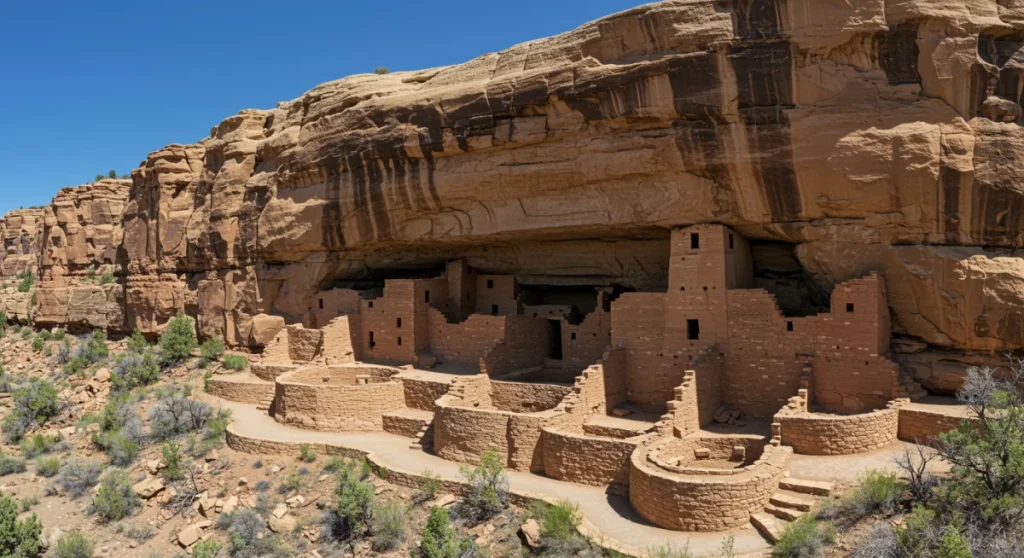
For 2026, explore America’s Forgotten History by visiting six lesser-known historical sites that offer powerful, often overlooked narratives, providing a deeper understanding of the nation’s diverse past.
As we approach 2026, many travelers seek to delve deeper into the nation’s complex past beyond the well-trodden paths. America’s Forgotten History offers a treasure trove of powerful narratives waiting to be discovered, presenting a unique opportunity to connect with the foundational stories that shaped the United States. This journey invites you to explore six lesser-known historical sites, each promising a profound and memorable experience for visitors seeking authentic insights into our shared heritage.
The Legacy of Cahokia Mounds: A Pre-Columbian Metropolis
Long before European arrival, a thriving civilization flourished in what is now Illinois, building monumental earthen structures that rivaled the great cities of the world. Cahokia Mounds State Historic Site offers a glimpse into this sophisticated society, revealing the intricate social, political, and economic systems of the Mississippian people. Visitors to this UNESCO World Heritage site can explore the remnants of a vast pre-Columbian metropolis, once home to tens of thousands.
The sheer scale of Cahokia is often overlooked in mainstream historical narratives. Its central mound, Monks Mound, is larger at its base than the Great Pyramid of Giza. This site was a hub of trade, culture, and innovation, demonstrating advanced astronomical knowledge and engineering prowess.
Understanding Mississippian Culture
- Complex Society: Cahokia was a highly organized society with a clear social hierarchy, specialized labor, and extensive trade networks.
- Astronomical Alignments: The city’s layout and certain structures, like Woodhenge, align with celestial events, indicating sophisticated astronomical understanding.
- Agricultural Innovation: The Mississippian people developed advanced agricultural techniques, particularly for maize cultivation, sustaining their large population.
Exploring Cahokia Mounds provides a crucial perspective on indigenous ingenuity and the vibrant civilizations that existed in North America long before colonial encounters. It’s a powerful reminder that American history is far richer and more diverse than commonly portrayed, inviting reflection on the continuity and disruption of cultures.
Angel Island Immigration Station: The ‘Ellis Island of the West’
While Ellis Island is widely recognized as a gateway for European immigrants, Angel Island Immigration Station in San Francisco Bay served a similar, yet vastly different, role for Asian immigrants, particularly Chinese. From 1910 to 1940, this facility processed hundreds of thousands of immigrants, often under harsh and discriminatory conditions due to exclusionary laws.
The station stands as a stark monument to the struggles faced by those seeking a new life in America, marked by interrogation, detention, and the emotional toll of uncertainty. The preserved barracks, with their poignant poems carved into the walls by detainees, offer a raw and deeply personal connection to this chapter of American history.
Stories Etched in Wood and Stone
The poems and inscriptions found at Angel Island are powerful testaments to human resilience and the desire for freedom. These writings, often expressing hope, despair, and defiance, provide direct voices from the past that resonate deeply today.
- Poetic Expressions: Many detainees, particularly Chinese immigrants, carved classical Chinese poetry into the wooden walls, reflecting their emotions and experiences.
- Challenging Conditions: Immigrants often faced prolonged detentions, intrusive interrogations, and the constant threat of deportation, unlike the generally quicker processing at Ellis Island.
- Exclusionary Laws: The Chinese Exclusion Act of 1882 heavily influenced the operations at Angel Island, creating a system designed to limit and deter Asian immigration.
Visiting Angel Island is an essential experience for understanding the complexities of American immigration policy and the enduring spirit of those who persevered through adversity. It highlights a lesser-known, yet critical, aspect of the nation’s diverse demographic development.
The Tenement Museum: Voices of the Lower East Side
In the bustling Lower East Side of New York City, the Tenement Museum offers an intimate journey into the lives of working-class immigrants who shaped urban America. Unlike grand historical mansions, this museum preserves two historic tenement buildings, allowing visitors to step directly into the cramped apartments and hear the stories of the families who lived there from the mid-19th to the early 20th centuries.
Through guided tours of restored apartments and neighborhood walks, the museum brings to life the challenges and triumphs of immigrant families from diverse backgrounds, including Irish, German, Jewish, and Italian. It humanizes history by focusing on everyday struggles, cultural adaptation, and the pursuit of the American Dream.
Life in a Crowded City
The museum’s approach is unique, relying heavily on personal narratives and oral histories to paint a vivid picture of immigrant life. It emphasizes the resilience and resourcefulness required to survive and thrive in a new country, often with limited resources.
- Restored Apartments: Each apartment is meticulously restored to reflect a specific time period and the lives of a particular family, using historical records and oral accounts.
- Interactive Tours: Guides, often playing the roles of past residents, lead immersive tours that encourage visitors to engage with the historical context.
- Economic and Social Challenges: The museum explores issues of poverty, labor, public health, and the fight for social justice that defined immigrant experiences.
The Tenement Museum serves as a powerful reminder of the immigrant experience, illustrating how waves of newcomers have continuously enriched and reshaped the American urban landscape. It’s a compelling site for understanding the foundations of modern American identity.
Nicodemus, Kansas: A Beacon of Black Self-Governance
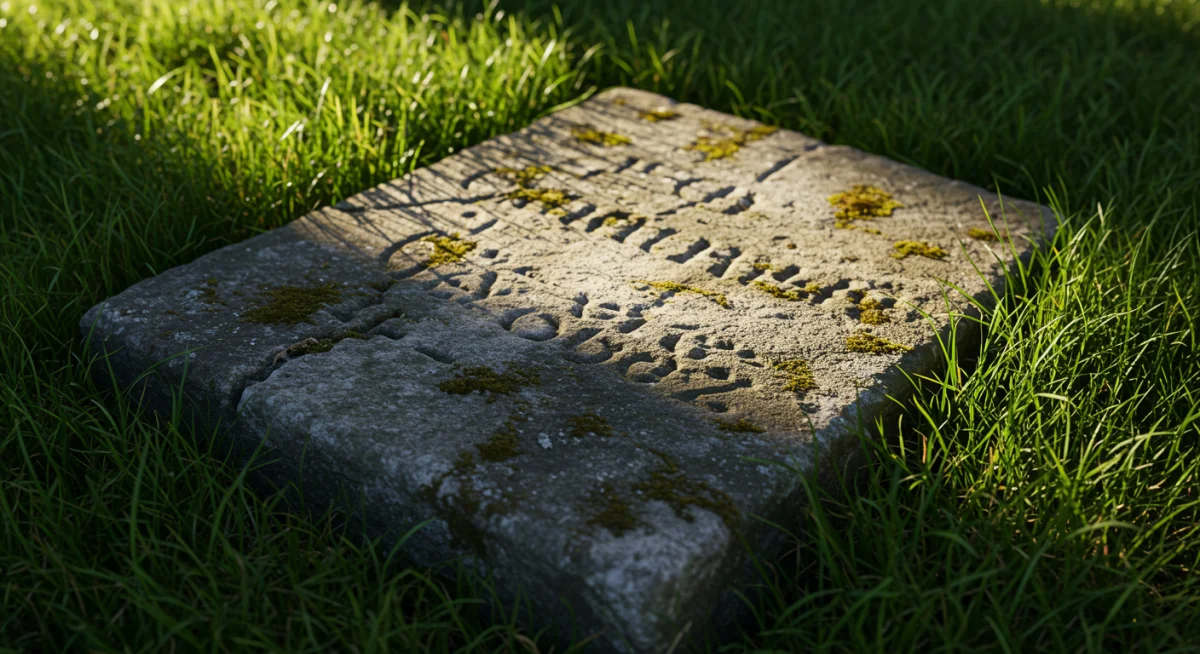
In the heart of the Great Plains lies Nicodemus, Kansas, the only remaining western town established by African Americans during the Reconstruction era. Founded in 1877 by formerly enslaved people seeking freedom and opportunity, Nicodemus represents an extraordinary testament to black self-determination and resilience in the face of systemic oppression.
This historic site tells the story of the “Exodusters,” who migrated from the South to establish thriving communities free from racial prejudice. Despite immense challenges, the residents of Nicodemus built homes, businesses, churches, and schools, creating a vibrant and self-sufficient society.
Building a Community from Scratch
The vision and perseverance of the Nicodemus settlers are truly inspiring. They transformed barren prairie land into a functional town, demonstrating remarkable communal effort and leadership. Their story is a vital component of America’s Forgotten History, shedding light on post-Civil War aspirations.
- Founding Principles: Nicodemus was founded on the ideals of freedom, economic independence, and self-governance for African Americans.
- Community Spirit: The success of the town was largely due to the strong communal bonds and cooperative efforts of its residents.
- Enduring Legacy: Though small, Nicodemus continues to hold annual Homecoming celebrations, maintaining its cultural heritage and connection to its founders.
Visiting Nicodemus offers a profound appreciation for the courage and ambition of African Americans who sought to forge their own destiny. It underscores the importance of remembering these pioneering efforts in the broader narrative of American expansion and civil rights.
The Homestead National Historical Park: Shaping the American West
While the concept of homesteading is well-known, the Homestead National Historical Park in Beatrice, Nebraska, offers a deeper, more personal understanding of the Homestead Act of 1862. This park commemorates the lives of ordinary Americans who ventured west to claim free land, transforming the landscape and shaping the nation’s agricultural future.
The site, which includes the first claim filed under the Act, features original cabins, a tallgrass prairie, and an extensive museum. It explores the diverse stories of homesteaders, including women, immigrants, and African Americans, who played crucial roles in settling the American frontier.
Beyond the Romanticized Frontier
Homesteading was a grueling endeavor, fraught with hardship and isolation. The park meticulously details the daily challenges, innovations, and contributions of these pioneers, moving beyond simplistic romanticized versions of the West.
- Diverse Homesteaders: The Act attracted a wide array of individuals and families, each bringing their unique skills and cultures to the frontier.
- Agricultural Innovation: Homesteaders developed new farming techniques and adapted to the harsh prairie environment, contributing significantly to American agriculture.
- Impact on Indigenous Lands: The park also addresses the complex and often tragic impact of homesteading on Native American populations and their ancestral lands.
The Homestead National Historical Park provides a vital understanding of how land distribution policies profoundly influenced American development and the lives of millions. It’s a place to reflect on the sacrifices and aspirations that defined a pivotal era.
The Harriet Tubman Underground Railroad National Historical Park: A Path to Freedom
The Harriet Tubman Underground Railroad National Historical Park in Maryland honors one of America’s most courageous figures and the clandestine network she helped lead. This park, stretching across Maryland’s Eastern Shore, allows visitors to trace the footsteps of Harriet Tubman and the enslaved people she guided to freedom.
Through preserved landscapes, historic buildings, and interpretive centers, the park illuminates the incredible bravery, ingenuity, and community support that characterized the Underground Railroad. It’s a powerful tribute to human courage and the fight against injustice.
Tubman’s Legacy of Liberation
Harriet Tubman’s story is one of unwavering determination and profound selflessness. The park meticulously documents her life, from her own escape from slavery to her tireless efforts as a conductor on the Underground Railroad, risking her life countless times to liberate others.
- Guided Journeys: Visitors can explore various sites, including the Brodess Farm where Tubman was enslaved, and churches and homes that served as safe houses.
- Symbol of Hope: Tubman became known as “Moses of her People” for her leadership and success in freeing over 300 enslaved individuals.
- Enduring Principles: The park emphasizes themes of freedom, human rights, and the power of individual action to bring about monumental change.
This historical park is an emotionally resonant experience, offering a deep connection to the brutal realities of slavery and the extraordinary heroism of those who fought against it. It’s a crucial site for understanding the ongoing struggle for civil rights and justice in America.
| Site Name | Historical Significance |
|---|---|
| Cahokia Mounds | Largest pre-Columbian urban center in North America, showcasing Mississippian culture. |
| Angel Island Immigration Station | “Ellis Island of the West,” highlighting Asian immigrant experiences and exclusionary laws. |
| Nicodemus, Kansas | Only remaining western town founded by African Americans post-Reconstruction. |
| Harriet Tubman Underground Railroad NHS | Commemorates Harriet Tubman’s life and the fight for freedom on the Underground Railroad. |
Frequently asked questions about America’s forgotten history
Many of these sites represent narratives often overshadowed by more prominent historical events or figures. They might be geographically isolated, focus on marginalized communities, or tell stories that challenge conventional historical perspectives, leading to less public awareness compared to mainstream landmarks.
These sites offer diverse perspectives and untold stories, providing a more complete and nuanced understanding of America’s past. They highlight the contributions and struggles of various groups, from indigenous civilizations to immigrants and formerly enslaved people, enriching the national narrative beyond typical textbooks.
Most national historical parks and state historic sites strive for accessibility, though the level varies. It’s always advisable to check the specific site’s website for detailed information regarding wheelchair access, guided tours for different needs, and other accommodations before planning your visit.
The ideal time to visit often depends on the site’s location and climate. Spring and fall generally offer pleasant weather for outdoor exploration at many sites. For indoor museums like the Tenement Museum, any time of year is suitable. Always check operating hours and seasonal events.
You can support these sites through direct donations, volunteering, or becoming a member of their associated historical societies or foundations. Spreading awareness by sharing your experiences and encouraging others to visit also contributes significantly to their continued preservation and recognition.
Conclusion
Exploring America’s Forgotten History in 2026 offers more than just a trip; it’s an immersive journey into the heart of the nation’s diverse and complex past. By venturing beyond the familiar, visitors can uncover powerful stories of resilience, innovation, and struggle that have profoundly shaped the American identity. These six lesser-known historical sites provide invaluable perspectives, challenging us to embrace a fuller, more inclusive understanding of where we come from and who we are as a nation. Each visit is an act of remembrance, ensuring these vital narratives continue to resonate for generations to come.