Beyond the Postcard: 2026 Cultural Shifts in Dynamic US Cities
America’s dynamic cities are experiencing profound cultural shifts in 2026, moving beyond traditional perceptions to embrace innovative trends in art, cuisine, and community engagement, redefining urban experiences for residents and visitors alike.
Welcome to an insider’s look at the evolving cultural landscapes of America’s most dynamic US cities in 2026, where the familiar postcard image gives way to a vibrant tapestry of innovation, community, and transformative experiences. We’re diving deep into the heart of urban America, exploring how these metropolitan hubs are redefining culture, beyond what a tourist brochure might ever show you.
The Rise of Hyper-Local Cultural Ecosystems
In 2026, the cultural pulse of American cities is increasingly defined by hyper-local ecosystems. These aren’t just neighborhoods; they are self-contained cultural universes, each with its distinct identity, driven by local artists, entrepreneurs, and community organizers. This shift emphasizes authenticity and micro-experiences over broad, generalized urban offerings.
Understanding this phenomenon requires moving beyond downtown cores and exploring the rich, often overlooked, districts that truly embody a city’s soul. These areas are becoming incubators for new trends, artistic expressions, and culinary innovations, attracting residents and visitors seeking genuine engagement.
Community-Driven Art Initiatives
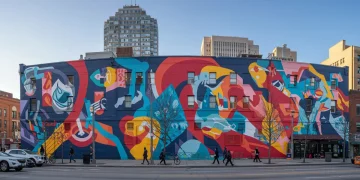
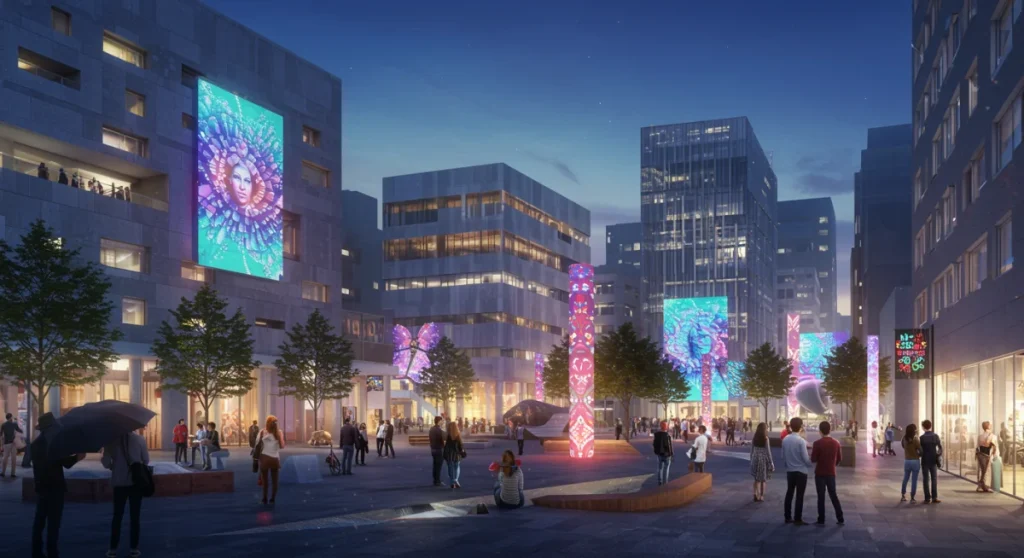
Public art is no longer just murals on walls; it’s interactive installations, pop-up galleries in unexpected spaces, and digital projections that transform urban facades. These initiatives are often funded and curated by local residents, reflecting their shared values and stories.
- Interactive Digital Murals: Cities like Austin and Denver are pioneering digital murals that change with community input or time of day.
- Guerrilla Gardening & Art: Blending environmentalism with artistic expression, these projects beautify neglected spaces.
- Pop-Up Performance Spaces: Abandoned storefronts and empty lots are temporarily repurposed for local theater, music, and dance.
The Micro-Culinary Revolution
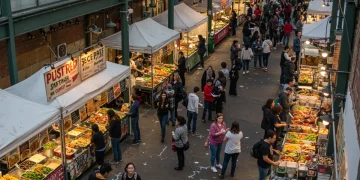
Food culture has always been central to urban identity, but 2026 sees a significant move towards hyper-local, sustainable, and culturally specific culinary experiences. Small, independent eateries that champion local ingredients and traditional family recipes are thriving, often becoming community gathering points.
From secret supper clubs hosted in residential homes to specialized food halls focusing on a single, niche cuisine, these micro-culinary ventures offer unparalleled gastronomic adventures. They foster a sense of discovery and connection, moving away from chain restaurants and generic dining experiences.
The hyper-local cultural ecosystem represents a powerful movement towards reclaiming urban spaces for authentic, community-driven experiences. It’s about celebrating the unique character of each district, fostering creativity, and building stronger, more connected communities within the larger urban fabric.
Technological Integration and Urban Living
Technology in 2026 is no longer just a tool; it’s an integral part of the cultural fabric of America’s most dynamic cities. From smart infrastructure to augmented reality experiences, digital advancements are subtly reshaping how we interact with our urban environments and each other. This integration aims to enhance daily life, streamline services, and create new forms of cultural engagement.
Cities are leveraging smart technologies to address everything from traffic congestion to public safety, but also to curate unique cultural narratives. This involves a delicate balance between innovation and preserving human connection.
Augmented Reality (AR) Cultural Tours
Forget static plaques and audio guides. AR is transforming historical sites and art districts into immersive experiences. Visitors can hold up their phones or wear AR glasses to see historical reconstructions, artist interviews, or even interact with digital art installations layered onto the physical world.
- Historic District Overlays: See 19th-century New York come alive on your smartphone screen as you walk through modern Manhattan.
- Interactive Museum Exhibits: AR adds layers of information and interactivity to traditional museum displays, making learning more engaging.
- Street Art Narratives: Scan a mural to hear the artist’s story or see the piece evolve digitally over time.
Smart City Infrastructure and Community Spaces
Beyond efficiency, smart city technologies are being deployed to create more responsive and engaging public spaces. Intelligent lighting systems can adapt to events, public Wi-Fi fosters connectivity, and sensors provide data to optimize communal areas for comfort and accessibility.
The goal is to create urban environments that are not just functional but also foster a sense of belonging and facilitate spontaneous cultural interactions. This includes smart parks with integrated fitness tech and community message boards powered by AI, promoting local events and initiatives.
The seamless integration of technology into urban living in 2026 is about creating smarter, more accessible, and culturally richer environments. It’s about using digital tools to amplify human experience, rather than detract from it, making cities more responsive and engaging for everyone.
The Evolving Landscape of Work and Leisure
The traditional boundaries between work and leisure have blurred significantly in 2026, profoundly impacting the cultural rhythms of dynamic US cities. Remote work, the gig economy, and a renewed focus on well-being have led to new urban spaces and routines that prioritize flexibility, community, and personal growth. City planners and cultural institutions are adapting to this shift, creating environments that cater to a more fluid lifestyle.
This evolution means that cafes double as coworking spaces, parks host fitness classes and impromptu meetings, and cultural events are scheduled throughout the day, not just after typical working hours. The city itself becomes a versatile platform for both professional and personal pursuits.
Coworking and Community Hubs
The rise of sophisticated coworking spaces extends beyond mere desks and Wi-Fi. These hubs offer a blend of amenities, from meditation rooms and healthy food options to networking events and skill-sharing workshops, fostering both productivity and social connection.
- Hybrid Work Models: Many companies have embraced hybrid models, leading to a demand for flexible workspaces that replicate office benefits.
- Specialized Coworking: Niche hubs cater to specific industries like artists, tech developers, or sustainable fashion designers, promoting collaboration.
- Community Integration: These spaces often partner with local businesses, offering discounts and promoting local cultural events.
Leisure Redefined: Experiential and Mindful Pursuits
Leisure activities in 2026 are less about passive consumption and more about active, mindful engagement. There’s a growing appetite for experiences that offer personal enrichment, skill development, or a deeper connection to nature and community.
This includes everything from urban farming workshops and silent disco yoga sessions in public parks to immersive escape rooms and interactive storytelling events. The emphasis is on participation and creating lasting memories, rather than just observing.
The dynamic interplay between work and leisure in 2026 has reshaped urban culture, fostering environments that support a more balanced, integrated, and personally fulfilling lifestyle. Cities are becoming more adaptable, reflecting the diverse needs and aspirations of their inhabitants.
Sustainability and Green Urban Initiatives
Sustainability is no longer a fringe concept but a core pillar of urban development and cultural identity in 2026. America’s most dynamic US cities are leading the charge in integrating eco-conscious practices into every aspect of city life, from infrastructure to public spaces and cultural events. This commitment to green living is fundamentally reshaping urban aesthetics and community values.
Residents are increasingly demanding greener spaces, cleaner air, and sustainable options, pushing city administrations and businesses to innovate. This has led to a cultural shift where environmental responsibility is celebrated and actively promoted.
Urban Green Spaces and Biodiversity
Cities are transforming neglected areas into lush green spaces, not just for recreation but also to enhance biodiversity and improve air quality. Rooftop gardens, vertical farms, and pocket parks are becoming commonplace, offering residents vital connections to nature within the urban jungle.
- Ecological Corridors: Projects linking parks and greenways create habitats for urban wildlife and promote ecological balance.
- Community Gardens: These initiatives provide fresh produce, foster community bonds, and educate residents on sustainable food systems.
- Water-Sensitive Urban Design: Integrating natural systems to manage stormwater, reducing runoff and replenishing groundwater.
Circular Economy and Ethical Consumption
The concept of a circular economy is gaining significant traction, influencing consumer behavior and local businesses. Repair cafes, upcycling workshops, and second-hand markets are thriving, promoting a culture of reuse and reducing waste.
Ethical consumption is also a growing cultural norm, with consumers favoring businesses that prioritize fair labor practices, sustainable sourcing, and transparent supply chains. This shift is driving innovation in local manufacturing and retail, creating a more conscientious urban marketplace.
The embrace of sustainability and green initiatives in 2026 reflects a profound cultural transformation in American cities. It underscores a collective commitment to creating healthier, more resilient, and environmentally responsible urban environments for future generations.
The Digital Nomad and Transient Urban Populations
The rise of digital nomads and transient populations is a defining cultural phenomenon in 2026, significantly impacting the social dynamics and service offerings of America’s most dynamic cities. With remote work becoming the norm for many, individuals are no longer tied to a single location, leading to a constant flux of residents who bring diverse perspectives and demands.
This transient nature presents both challenges and opportunities. Cities are adapting by creating flexible living solutions, fostering strong but temporary community networks, and designing public spaces that cater to a global, mobile workforce.
Flexible Living and Coliving Spaces
Traditional long-term leases are giving way to more flexible housing options, such as coliving spaces and short-term rentals designed for digital nomads. These accommodations often come with built-in communities, amenities, and events tailored to their nomadic residents.
- Community-Focused Residences: Coliving spaces prioritize shared experiences, offering communal kitchens, workspaces, and social events.
- Subscription-Based Stays: Services allow nomads to move between different cities and properties within a network, maintaining consistency.
- Pop-Up Housing Solutions: Innovative, modular housing units can be deployed quickly to meet temporary demand in popular nomad destinations.
Cultural Exchange and New Perspectives
The constant influx of digital nomads enriches the cultural tapestry of cities. These individuals bring diverse professional backgrounds, international experiences, and fresh perspectives, contributing to a more cosmopolitan and globally aware urban environment.
This leads to a vibrant exchange of ideas, skills, and cultural practices, influencing local cuisine, art scenes, and entrepreneurial ventures. Cities are actively working to integrate these transient populations, recognizing their value as catalysts for innovation and cultural growth.
The presence of digital nomads and transient urban populations in 2026 is fundamentally reshaping the cultural landscape, pushing cities to be more adaptable, inclusive, and globally connected. It’s about embracing fluidity and leveraging diversity to create richer, more dynamic urban experiences.
Reimagining Public Spaces and Community Engagement
In 2026, the concept of public space in America’s dynamic US cities has been thoroughly reimagined, shifting from mere transit points to vibrant hubs of community engagement and cultural expression. Urban planners and community groups are collaborating to transform neglected areas into inclusive, multi-functional spaces that foster connection, creativity, and well-being.
This reimagining is driven by a desire to counteract social isolation and build stronger local identities. It emphasizes participatory design, ensuring that public spaces truly serve the diverse needs and aspirations of the residents who use them.
Interactive Parks and Plazas
Parks and plazas are no longer just green patches; they are becoming interactive landscapes equipped with smart technology, flexible seating arrangements, and designated zones for various activities. From outdoor co-working pods to adaptable performance stages, these spaces cater to a wide array of uses.
- Modular Furniture: Public furniture that can be reconfigured by users encourages dynamic interaction and personalization of spaces.
- Integrated Play Areas: Playgrounds are designed to be inclusive and challenging for all ages, promoting intergenerational interaction.
- Digital Information Kiosks: Providing real-time local event information, transit updates, and opportunities for community feedback.
Cultural Programming in Unexpected Places
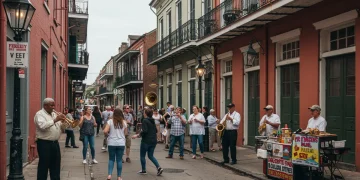
Cultural events are breaking free from traditional venues, popping up in unexpected locations like subway stations, alleyways, and industrial zones. This decentralization makes arts and culture more accessible, surprising, and integrated into daily urban life.
Think impromptu dance performances in train stations, poetry readings in laundromats, or art installations within public transportation. These initiatives democratize access to culture and create memorable, spontaneous urban moments that define the city’s unique character.
The reimagining of public spaces and community engagement in 2026 highlights a profound commitment to making cities more livable, inclusive, and culturally vibrant. It’s about empowering residents to shape their urban environment and fostering a strong sense of collective ownership and pride.
The Fusion of Global and Local Influences
America’s most dynamic US cities in 2026 are characterized by a fascinating fusion of global and local influences, creating unique cultural tapestries that are both deeply rooted and broadly international. This blend is evident in everything from culinary trends and artistic movements to fashion and community festivals, reflecting the diverse populations that call these cities home.
This cultural synthesis is not about assimilation but about honoring distinct heritages while embracing shared urban experiences. It leads to a vibrant, ever-evolving cultural landscape that continually offers new perspectives and innovations.
Culinary Crossroads
The food scene is a prime example of this fusion. While hyper-local, farm-to-table movements thrive, so too do innovative restaurants that blend global flavors with regional ingredients. Fusion cuisine has evolved beyond simple mixing to sophisticated culinary narratives that tell stories of migration and cultural exchange.
- Ethno-Fusion Eateries: Restaurants expertly blending two or more distinct culinary traditions to create entirely new flavor profiles.
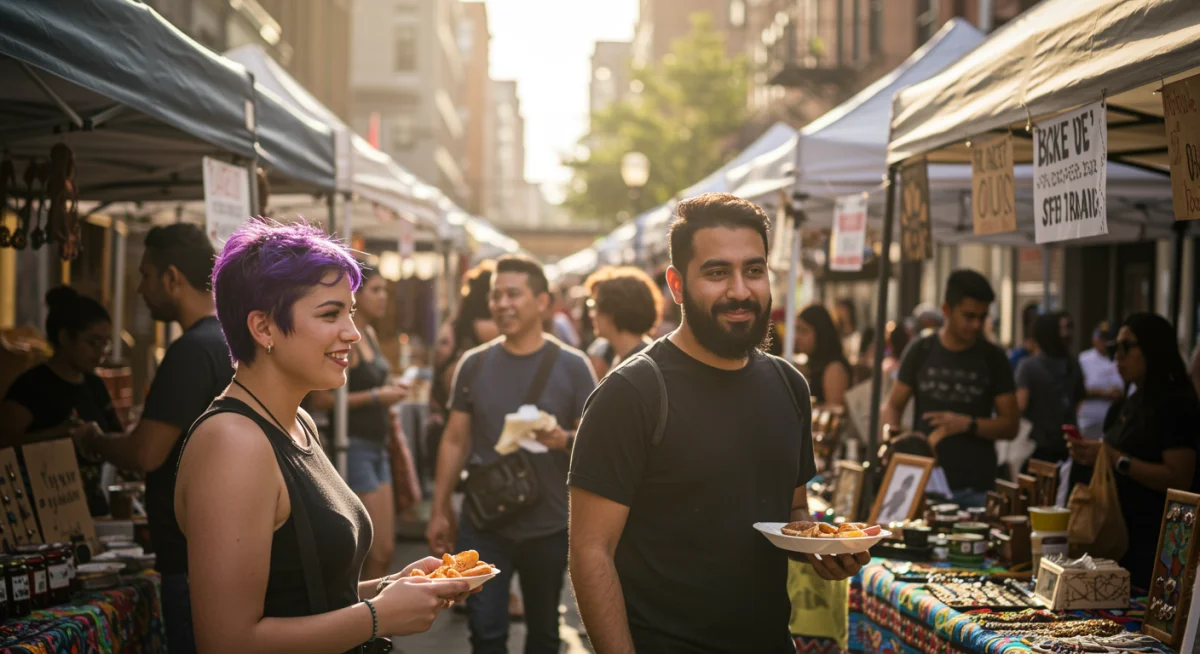
- Global Street Food Markets: Permanent or semi-permanent markets offering authentic dishes from around the world, reflecting local demographics.
- Ingredient-Driven Innovation: Chefs experimenting with international ingredients sourced locally or sustainably, creating unique hybrid dishes.
Artistic Dialogue and Cross-Cultural Collaboration
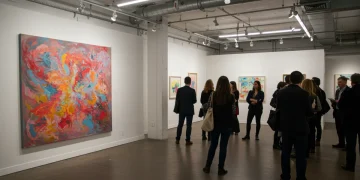
The arts scene in dynamic cities is a melting pot of global and local talent. Artists from diverse backgrounds are collaborating on projects that explore universal themes through varied cultural lenses, leading to groundbreaking and thought-provoking works.
Galleries and performance venues actively seek out international artists, fostering a dialogue that enriches the local arts community. This cross-cultural collaboration is evident in multimedia installations, collaborative music projects, and theatrical productions that bridge different traditions.
The fusion of global and local influences defines the cultural vibrancy of American cities in 2026, creating environments that celebrate diversity, foster innovation, and offer a truly unique and enriching experience for residents and visitors alike. It’s a testament to the power of cultural exchange in shaping our urban future.
| Key Cultural Trend | Brief Description |
|---|---|
| Hyper-Local Ecosystems | Neighborhoods developing distinct cultural identities through local art, food, and community initiatives. |
| Tech Integration | Smart city tech and AR enhancing cultural experiences and urban living. |
| Flexible Work & Leisure | Blurring lines between work and free time, leading to versatile urban spaces and mindful pursuits. |
| Sustainability Focus | Green initiatives, circular economy, and ethical consumption shaping urban development and values. |
Frequently Asked Questions About 2026 Urban Culture
Hyper-local ecosystems are shifting tourism from broad city attractions to immersive neighborhood experiences. Visitors seek authenticity, engaging directly with local artists, unique culinary scenes, and community-driven events, fostering deeper connections than traditional sightseeing tours allow.
Augmented reality (AR) enhances cultural engagement by transforming static sites into interactive experiences. It allows users to visualize historical events, interact with digital art, and access real-time information, making urban exploration more dynamic and personalized for residents and tourists.
Remote work fosters flexible lifestyles, leading to a demand for versatile urban spaces that blend work and leisure. This includes coworking cafes, parks with integrated tech, and cultural events scheduled throughout the day, creating a more fluid and integrated urban experience.
Yes, sustainability is a core cultural value in 2026. Cities are integrating green spaces, promoting circular economy practices, and encouraging ethical consumption. Cultural events often emphasize eco-friendly approaches, reflecting a collective commitment to environmental responsibility and conscious living.
Digital nomads introduce diverse perspectives and global influences, enriching city culture. Their transient presence encourages flexible housing solutions, fosters cultural exchange, and drives innovation in local economies, contributing to a more cosmopolitan and dynamic urban environment.
Conclusion
The cultural landscapes of America’s most dynamic cities in 2026 are a testament to continuous evolution, driven by innovation, community, and a profound global-local fusion. Beyond the static images of postcards, these urban centers thrive on hyper-local ecosystems, technological integration, and a redefined balance between work and leisure. Sustainability, the influx of digital nomads, and the reimagining of public spaces further contribute to a vibrant, responsive urban fabric. These cities are not just places to visit; they are living, breathing entities constantly adapting and offering rich, multifaceted experiences that genuinely reflect the diverse aspirations of their inhabitants.