Budgeting Your 2026 U.S. City Adventure: Save 15% on Travel
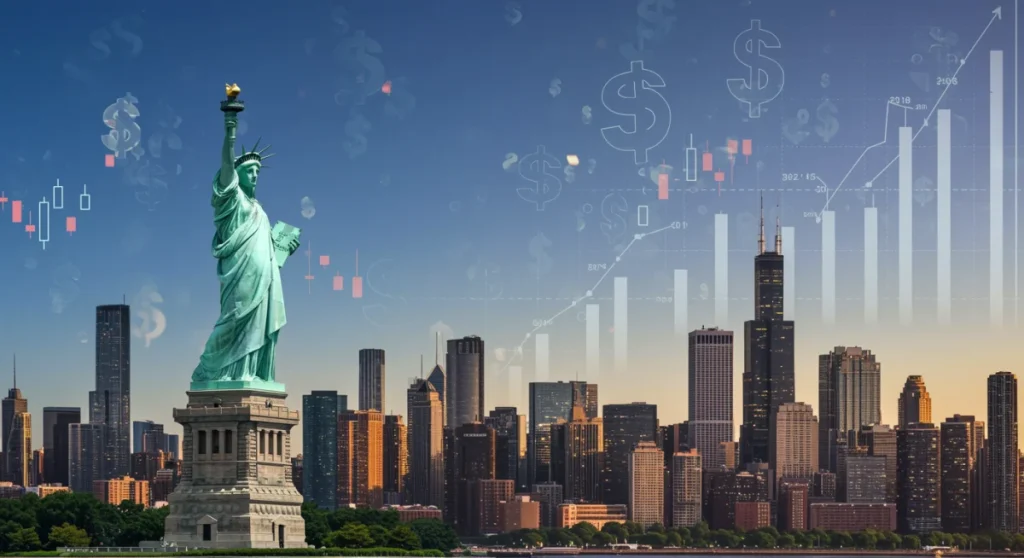
Effectively budgeting your 2026 U.S. city adventure is crucial for maximizing experiences while saving significantly on accommodation and dining without compromising quality.
Are you dreaming of exploring the vibrant cities across the United States in 2026 but concerned about the costs? Successfully budgeting your 2026 U.S. city adventure doesn’t mean sacrificing quality; it means traveling smarter and unlocking incredible experiences without breaking the bank.
Strategic Planning: The Foundation of Savings
Embarking on a U.S. city adventure in 2026 requires more than just booking flights and hotels; it demands a strategic financial blueprint. Proactive planning allows travelers to identify cost-saving opportunities long before departure, ensuring a more enjoyable and less stressful journey. Understanding the nuances of peak seasons, booking windows, and local events can significantly impact your overall expenses.
Effective budgeting begins with thorough research into your chosen destinations. Prices for accommodation, dining, and activities can vary wildly from one city to another, and even within different neighborhoods of the same city. By dedicating time to initial research, you can pinpoint areas that offer better value without compromising on safety or convenience. This foundational step is critical for setting realistic financial goals and avoiding unexpected expenditures.
Early Bird Advantage
- Accommodation Bookings: Secure hotels or alternative lodging 6-12 months in advance, especially for popular cities or during major events. Early bookings often come with lower rates and more options.
- Flight Deals: Monitor airfare trends and set up price alerts. Tuesdays and Wednesdays are often cited as the best days to find flight deals. Consider flying into smaller, secondary airports if feasible, as they can offer cheaper fares and easier access to ground transportation.
- Event Tickets: Purchase tickets for major attractions, concerts, or sporting events well in advance. Not only does this save money, but it also guarantees entry, avoiding sold-out situations.
By laying a strong foundation with strategic planning, you empower yourself to make informed decisions that translate into substantial savings. This approach isn’t about cutting corners but about optimizing every dollar spent to enhance your travel experience.
Unlocking Affordable Accommodation Options
Accommodation often represents one of the largest expenses in any U.S. city adventure. However, a wealth of options exists beyond traditional hotels that can significantly reduce costs without compromising comfort or location. Exploring these alternatives can lead to unique experiences and substantial savings, freeing up funds for other aspects of your trip.
The key lies in diversity and flexibility. While a luxury hotel might be appealing, considering boutique hotels, vacation rentals, or even hostels can open doors to more budget-friendly stays. Each option presents its own set of advantages, from privacy and kitchen access to social atmospheres and central locations.
Beyond Traditional Hotels
- Vacation Rentals (Airbnb, Vrbo): Offer more space, kitchen facilities, and often a more local experience. Booking a rental with a kitchen can lead to significant savings on dining out.
- Hostels and Guesthouses: No longer just for backpackers, many modern hostels offer private rooms with en-suite bathrooms, providing affordable comfort and opportunities to meet other travelers.
- Extended Stay Hotels: Ideal for longer trips, these hotels often include kitchenettes and offer weekly or monthly rates that are more economical than nightly hotel rates.
Consider staying slightly outside the absolute city center. Public transportation in most major U.S. cities is efficient, allowing you to access attractions easily from more affordable neighborhoods. Always compare prices across different platforms and consider booking directly with the property for potential discounts or added perks. Loyalty programs can also offer valuable rewards for frequent travelers, accumulating points for free stays or upgrades.
Savvy Dining: Eating Well on a Budget
Exploring the culinary landscape of a U.S. city is a highlight for many travelers, but dining expenses can quickly escalate. With a few strategic approaches, you can savor delicious meals and local flavors without overspending. The secret lies in balancing restaurant experiences with more economical dining choices and leveraging local knowledge.
Eating out for every meal is a surefire way to deplete your budget. Incorporating a mix of cooking at your accommodation, exploring local markets, and taking advantage of lunch specials can dramatically reduce food costs while still providing an authentic taste of the city.
Smart Food Choices and Strategies
- Cook Your Own Meals: If your accommodation has a kitchen, utilize it! Grocery shopping at local supermarkets and preparing some of your meals is one of the most effective ways to save.
- Lunch Specials and Happy Hours: Many restaurants offer significantly cheaper lunch menus or early bird specials. Happy hour deals often include discounted appetizers and drinks, perfect for a lighter, more affordable dinner.
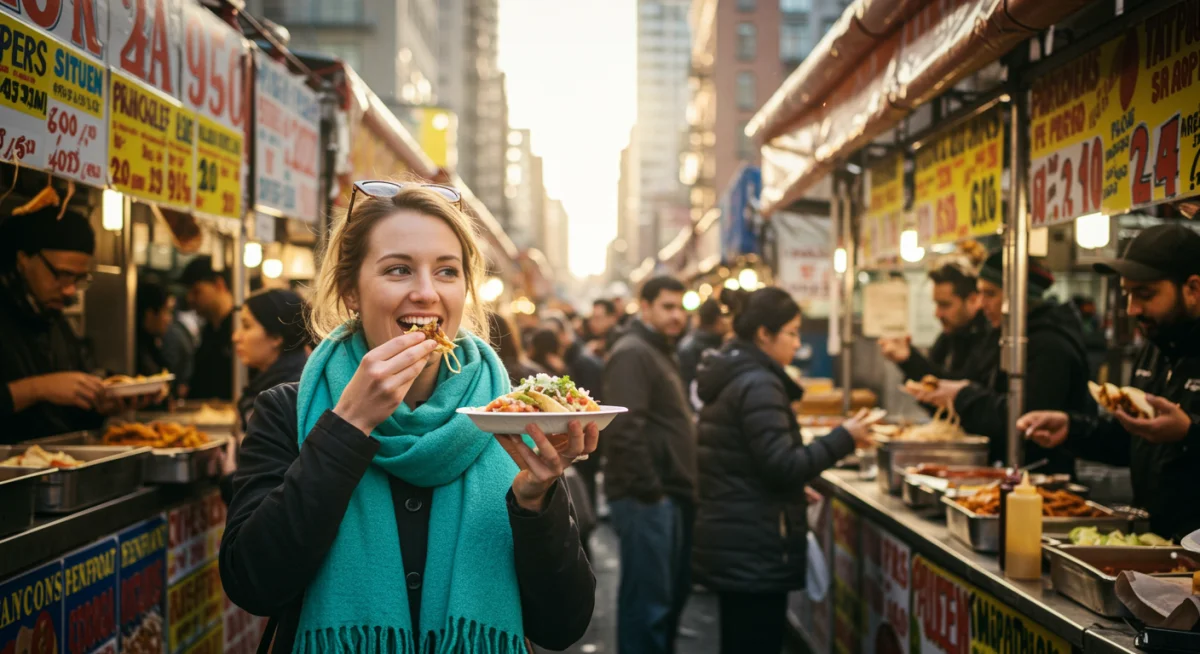
- Street Food and Food Trucks: U.S. cities are renowned for their diverse street food scenes. These options are typically delicious, authentic, and much more affordable than sit-down restaurants.
Don’t overlook local bakeries and coffee shops for breakfast, which can be a budget-friendly and delicious start to your day. Researching local food blogs or asking locals for their favorite hidden gems can also lead to fantastic, inexpensive dining experiences. Remember to factor in tips for service staff, as this is customary in the U.S. and can add a significant amount to your bill if not accounted for.
Transportation Tricks: Navigating Cities Affordably
Getting around a new city can be surprisingly expensive if not planned carefully. From ride-sharing services to public transit, each mode of transportation comes with its own costs and benefits. Understanding the most economical ways to navigate your chosen U.S. cities will contribute significantly to your overall savings.
Public transportation systems in major U.S. cities are generally efficient and cost-effective, offering a great way to experience the local pace of life. However, for certain itineraries or cities with less developed public transit, other options may be more suitable, requiring careful consideration of cost versus convenience.
Optimizing Your City Commute
- Public Transit Passes: Invest in multi-day or weekly passes for buses, subways, and trams. These often provide unlimited rides and are far more cost-effective than individual tickets.
- Walking and Biking: For shorter distances, walking is free and offers an excellent way to discover hidden gems. Many cities also have bike-sharing programs that are affordable for short-term rentals.
- Ride-Sharing Alternatives: While convenient, ride-sharing services can add up. Use them sparingly, perhaps for late-night returns or when public transport isn’t an option. Consider carpooling features within ride-share apps if available.
Before your trip, familiarize yourself with the public transportation map and schedule of your destination city. Many cities offer travel apps that provide real-time information, making navigation much simpler. Avoiding taxis and private cars where possible will keep your transportation budget in check, allowing you to allocate those savings elsewhere.
Free and Low-Cost Activities for Maximum Enjoyment
A limited budget doesn’t mean a limited experience. U.S. cities are brimming with free and low-cost activities that offer rich cultural, historical, and recreational experiences. Leveraging these opportunities allows you to immerse yourself in the local culture without draining your wallet, proving that some of the best adventures are indeed free.
From world-class museums with free admission days to sprawling public parks and vibrant street art, there’s always something engaging to do that won’t cost an arm and a leg. Planning your itinerary around these options can lead to a surprisingly fulfilling and memorable trip.
Embracing Cost-Free Experiences
- Free Museum Days: Many museums offer free admission on specific days or evenings. Check their websites in advance to plan your visit accordingly.
- Public Parks and Gardens: Explore city parks for picnics, leisurely strolls, or people-watching. Many host free events, concerts, or fitness classes.
- Walking Tours: Look for free walking tours, often run by local volunteers, that provide insightful historical and cultural context. Tipping is customary but voluntary.
Beyond these, consider exploring local markets, admiring street art, or simply soaking in the atmosphere of different neighborhoods. Researching community calendars for free festivals, concerts, or outdoor movie screenings can also uncover unique local experiences. These activities not only save money but often provide a deeper, more authentic connection to the city you’re visiting.
Smart Spending: General Budgeting Tips and Tools
Beyond specific categories, adopting smart spending habits and utilizing helpful budgeting tools can provide overarching financial control for your 2026 U.S. city adventure. These general strategies ensure you stay on track, avoid overspending, and have a clear picture of your financial situation throughout your trip.
A well-managed budget isn’t just about cutting costs; it’s about making conscious decisions about where your money goes. This involves tracking expenses, setting daily limits, and being prepared for unexpected situations. Financial discipline can significantly enhance your travel experience by minimizing stress related to money.
Essential Budgeting Practices
- Daily Budget Tracking: Use a spreadsheet or a budgeting app to log all your expenses daily. This helps you monitor your spending in real-time and adjust if necessary.
- Emergency Fund: Always set aside an emergency fund, separate from your main travel budget, for unforeseen circumstances like medical issues or unexpected travel delays.
- Travel Credit Cards: Consider using travel-specific credit cards that offer rewards points, cashback, or travel insurance. Be mindful of foreign transaction fees if applicable.
Inform your bank and credit card companies of your travel plans to avoid issues with transactions. Carry a mix of payment methods – some cash for small purchases, and credit/debit cards for larger expenses. Be wary of ATM fees and try to use ATMs associated with major banks. By implementing these smart spending habits, you’ll maintain control over your finances and enjoy a worry-free city adventure.
| Key Strategy | Benefit for 2026 U.S. City Budget |
|---|---|
| Early Bookings | Significant savings on flights and accommodation, better selection. |
| Alternative Stays | Reduces accommodation costs, offers unique local experiences. |
| Smart Dining | Enables enjoying local cuisine without overspending, cooking saves money. |
| Public Transit | Cost-effective way to explore cities, avoids expensive taxis/ride-shares. |
Frequently Asked Questions About Budgeting U.S. City Travel
For optimal savings and choice, aim to book your accommodation 6 to 12 months in advance, especially if you’re traveling during popular seasons or major events. Prices tend to increase closer to the travel date, and desirable options become scarce.
Utilize accommodation with kitchen facilities to cook some meals, seek out lunch specials and happy hour deals, and explore local street food vendors or food trucks. These options offer delicious food at a fraction of restaurant prices.
Absolutely. In most major U.S. cities, multi-day or weekly public transit passes offer unlimited rides on buses, subways, and trams, proving significantly more cost-effective than purchasing individual tickets or relying on ride-sharing services.
Many U.S. cities offer free attractions such as public parks, gardens, free museum days/evenings, and self-guided walking tours. Exploring local neighborhoods, street art, and community events can also be free and rewarding experiences.
It’s generally recommended to set aside at least 10-15% of your total travel budget as an emergency fund. This covers unforeseen expenses like medical emergencies, unexpected travel delays, or lost luggage, providing peace of mind.
Conclusion
Embarking on a 2026 U.S. city adventure doesn’t have to be a financially daunting prospect. By strategically implementing proven budgeting strategies, travelers can significantly reduce costs on accommodation, dining, and transportation without compromising the quality or enjoyment of their experience. Proactive planning, embracing alternative options, and leveraging local insights are key to unlocking memorable and affordable urban explorations. With careful financial management, your dream U.S. city journey can become a vibrant reality, leaving you with lasting memories rather than lingering debt.