Understanding the ‘Made in USA’ Label: A 2026 Consumer’s Guide
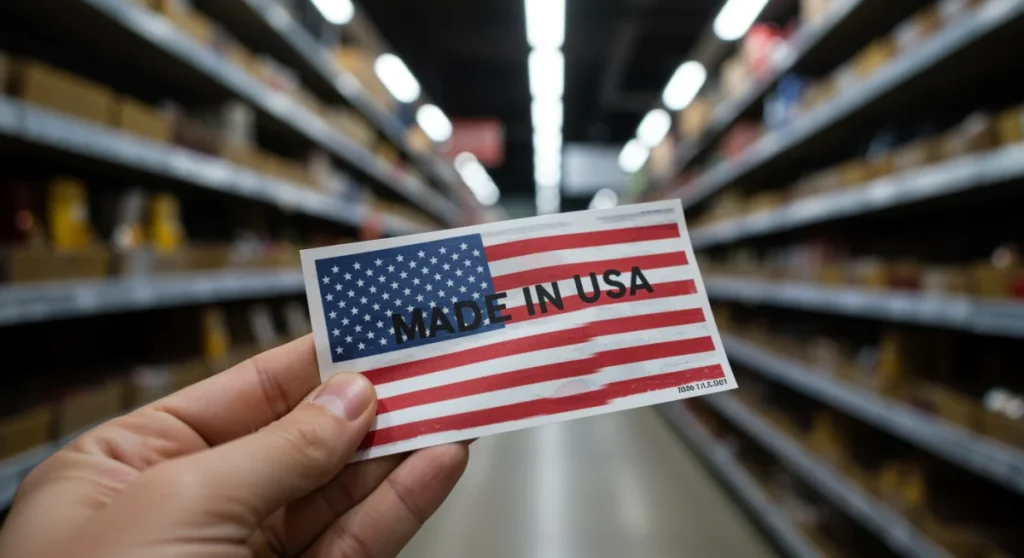
Understanding the ‘Made in USA’ label in 2026 is essential for consumers seeking authentic domestic products, requiring knowledge of the Federal Trade Commission’s strict criteria to discern genuine claims from marketing ploys.
Navigating the marketplace in 2026 demands a keen eye, especially when it comes to product origins. The phrase ‘Made in USA’ label signifies more than just geography; it represents a commitment to quality, fair labor practices, and often, a reduced environmental footprint. This guide aims to demystify the complexities surrounding this powerful claim, providing you with the essential knowledge to make informed purchasing decisions.
the evolving landscape of ‘Made in USA’ claims
The allure of products labeled ‘Made in USA’ continues to resonate deeply with American consumers. In an increasingly globalized market, these labels often symbolize trust, quality, and support for domestic industries. However, the criteria for using such a label are not always straightforward and have seen significant evolution over time, particularly as supply chains become more intricate. Understanding these nuances is paramount for any consumer committed to buying American.
The Federal Trade Commission (FTC) is the primary governmental body responsible for enforcing the ‘Made in USA’ standard. Their regulations are designed to prevent deceptive marketing and ensure that claims accurately reflect a product’s origin. As of 2026, these regulations emphasize a “all or virtually all” standard, meaning that all significant parts and processing that go into the product must be of U.S. origin. This stringent rule is intended to protect consumers and legitimate American manufacturers.
FTC’s “all or virtually all” standard explained
The FTC’s standard is not merely a suggestion; it’s a legally enforceable requirement. For a product to be advertised as ‘Made in USA’ without qualification, it must be entirely or almost entirely of U.S. origin. This means that all significant components, as well as the labor involved in its manufacture, must be domestic. Minor foreign content that is negligible in cost and accounts for a very small portion of the product’s overall value might be permissible, but this is a high bar to clear.
- Material Sourcing: Raw materials and components must predominantly originate from the U.S.
- Manufacturing Processes: All substantial manufacturing, assembly, and processing must occur within the U.S.
- Cost of Goods: A significant portion of the total manufacturing cost must be attributable to U.S. expenses.
- Final Assembly: The product’s final and most significant transformation must take place on U.S. soil.
The evolving landscape of ‘Made in USA’ claims reflects a growing consumer demand for transparency and authenticity. As supply chains become more complex, companies are often challenged to meet these strict requirements, leading to a variety of qualified claims that consumers must learn to decipher. The FTC’s guidelines represent a critical safeguard, ensuring that the promise of American manufacturing is upheld for both businesses and buyers.
deciphering qualified ‘Made in USA’ claims
Not all ‘Made in USA’ claims are absolute. Many products feature qualified statements that provide a more accurate, albeit sometimes more complex, picture of their origin. These qualifications are often used when a product cannot meet the FTC’s stringent “all or virtually all” standard but still has significant U.S. content or processing. Understanding these nuances is vital for consumers who want to support American manufacturing without being misled.
Examples of qualified claims include phrases like “Made in USA with imported parts,” “Assembled in USA,” or “Product of USA.” Each statement carries a specific meaning and indicates varying degrees of domestic content or labor. The FTC permits these qualified claims as long as they are truthful and not deceptive, providing consumers with accurate information about a product’s origins.
common qualified labels and their meanings
When you see a label that isn’t a simple ‘Made in USA,’ it’s essential to understand what it implies. These qualified claims are designed to offer transparency but can be confusing without proper context. Consumers should pay close attention to the specific wording used to avoid misinterpretations. Each phrase indicates a different level of domestic contribution.
- “Assembled in USA”: This means the product was put together in the U.S., but its components may be largely foreign. The assembly process itself must be substantial, not merely minor screwing or bolting.
- “Made in USA of U.S. and Imported Parts”: This indicates that while the final product is manufactured in the U.S., it contains a notable amount of foreign-sourced components. The proportion of U.S. versus imported parts can vary significantly.
- “Product of USA”: Often used for agricultural products, this signifies that the item was grown, raised, or harvested in the U.S. For processed foods, it might mean the primary ingredients are U.S. origin.
The proliferation of qualified claims highlights the global nature of modern manufacturing. Even companies committed to domestic production often rely on international supply chains for certain raw materials or specialized components. By understanding these qualified labels, consumers can make more informed decisions that align with their personal values regarding supporting American industries.
the economic impact of buying American
Choosing products labeled ‘Made in USA’ extends beyond personal preference; it carries significant economic implications for the nation. Every purchase of a domestically produced item contributes to the local and national economies, fostering job creation, stimulating growth, and enhancing economic stability. This ripple effect can be felt across various sectors, from manufacturing to retail and services.
Supporting American-made goods helps to sustain jobs in factories, research and development, and transportation within the United States. These jobs often provide competitive wages and benefits, contributing to a stronger middle class. Furthermore, domestic production can lead to innovation, as companies invest in new technologies and processes to remain competitive and efficient.
job creation and economic growth
When consumers prioritize American-made products, they directly support the livelihoods of countless workers. This demand encourages companies to maintain or expand their operations within the U.S., leading to new employment opportunities. The economic benefits are not limited to direct manufacturing jobs but also extend to supporting industries such as logistics, marketing, and raw material suppliers.
A robust domestic manufacturing sector is also crucial for national economic resilience. It reduces reliance on foreign supply chains, which can be vulnerable to geopolitical instability or global crises. By strengthening local production capabilities, the U.S. enhances its ability to withstand external shocks and maintain a stable economic environment.
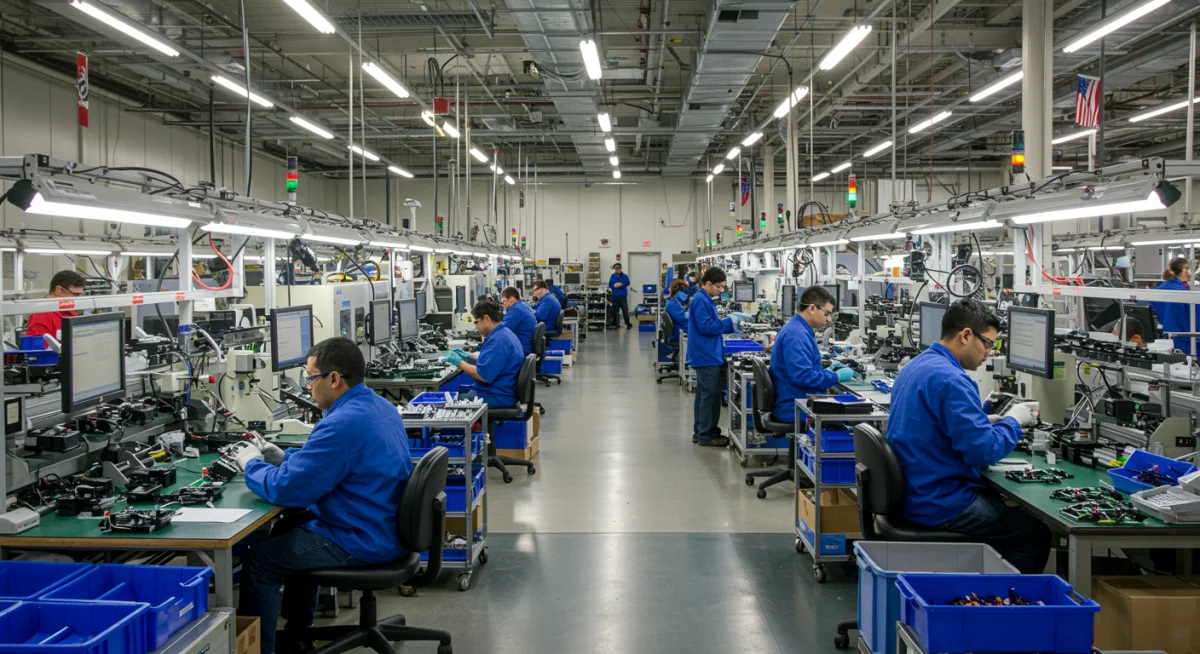
The economic impact is multifaceted, creating a virtuous cycle where consumer spending on American goods fuels domestic production, which in turn creates more jobs and boosts local economies. This interconnectedness underscores the power of individual purchasing decisions in shaping the broader economic landscape.
identifying greenwashing and misleading claims
In the pursuit of supporting American industries, consumers must remain vigilant against greenwashing and other misleading claims that exploit the popularity of the ‘Made in USA’ label. Some companies may use ambiguous language or visual cues to imply domestic origin without actually meeting the stringent criteria. This deceptive practice undermines consumer trust and fair competition.
Greenwashing, in this context, refers to misleading marketing that suggests a product is more American-made or environmentally friendly than it actually is. It often involves vague statements or the strategic placement of American symbols without genuine adherence to domestic production standards. Consumers need to develop a critical eye to differentiate between authentic claims and marketing ploys.
tips for spotting deceptive labeling
Differentiating between genuine ‘Made in USA’ products and misleading claims requires attention to detail and a healthy dose of skepticism. Companies sometimes employ subtle tactics to evoke a sense of domestic origin without making explicit, verifiable claims. Knowing what to look for can empower consumers to make truly informed choices.
- Look for Specificity: Authentic ‘Made in USA’ labels are usually clear and unambiguous. Vague phrases or generalizations should raise a red flag.
- Check for Qualifications: If a label includes qualifications like “Assembled in USA,” understand what those qualifications genuinely mean regarding the product’s origin.
- Research the Company: Investigate the company’s manufacturing practices and supply chain. Reputable companies are often transparent about their production processes.
- Examine Packaging: Be wary of excessive use of American flags or patriotic imagery without explicit ‘Made in USA’ claims, as this can be a form of suggestive marketing.
By being proactive and critical, consumers can effectively navigate the complex world of product labeling. This vigilance not only protects individual purchasing power but also holds companies accountable for their marketing practices, promoting greater transparency across the industry.
the role of technology in verifying authenticity
As we move further into 2026, technology plays an increasingly crucial role in helping consumers verify the authenticity of ‘Made in USA’ claims. Innovations in supply chain tracking, blockchain, and consumer-facing apps are making it easier to trace a product’s journey from raw materials to the finished good. These tools provide an unprecedented level of transparency that was previously unavailable.
Blockchain technology, for instance, offers an immutable and transparent ledger of a product’s origin and manufacturing steps. By scanning a QR code on a product, consumers can access detailed information about where components were sourced, where assembly took place, and even the labor conditions involved. This level of traceability builds trust and empowers consumers to make truly informed decisions.
innovative tools for consumer verification
The rise of digital solutions is transforming how consumers interact with product information. These technologies not only simplify the verification process but also provide a richer understanding of a product’s background, allowing for more conscious consumption. The integration of these tools into everyday shopping experiences is becoming more common.
- QR Codes and NFC Tags: Many products now feature scannable codes that link to detailed origin information, including certifications and supply chain data.
- Blockchain Platforms: Specialized platforms are emerging that use blockchain to record every step of a product’s journey, ensuring transparency and preventing fraud.
- Consumer Apps: Mobile applications are available that allow users to scan barcodes or labels to access databases of ‘Made in USA’ certified products and company information.
- Company Transparency Portals: Many brands are creating dedicated sections on their websites to detail their manufacturing processes and sourcing, providing direct access to their claims.
The integration of technology into the consumer experience marks a significant step forward in ensuring the integrity of ‘Made in USA’ labels. These tools provide powerful resources for verifying claims, allowing consumers to confidently support domestic production and hold companies to higher standards of transparency.
advocacy and future of ‘Made in USA’ labeling
The ‘Made in USA’ label is not static; it is continually shaped by consumer advocacy, industry pressures, and legislative efforts. As consumer awareness grows, so does the demand for clearer, more enforceable standards. This ongoing dialogue between consumers, businesses, and policymakers is critical for ensuring the continued integrity and relevance of domestic labeling in the future.
Advocacy groups play a vital role in pushing for stronger regulations and greater transparency. They educate consumers, lobby lawmakers, and hold companies accountable for their claims. Their efforts help to ensure that the ‘Made in USA’ designation remains a meaningful indicator of genuine domestic production, rather than just a marketing slogan.
how consumers can influence labeling standards
Individual consumer actions collectively contribute to shaping the future of ‘Made in USA’ labeling standards. Your purchasing choices send a clear message to manufacturers and policymakers about the importance of domestic production and transparency. Beyond purchasing, there are several ways consumers can actively contribute to this advocacy.
- Support Brands with Clear Labels: Prioritizing companies that are transparent and meet high ‘Made in USA’ standards encourages others to follow suit.
- Report Misleading Claims: If you encounter a potentially deceptive ‘Made in USA’ claim, report it to the FTC. This helps enforce regulations and protect other consumers.
- Engage with Advocacy Groups: Join or support organizations that champion fair labeling practices and domestic manufacturing.
- Educate Others: Share your knowledge about ‘Made in USA’ standards with friends and family, fostering a more informed consumer base.
The future of the ‘Made in USA’ label hinges on continued vigilance and advocacy. By actively participating in this process, consumers can help ensure that the label remains a powerful and trustworthy symbol of American ingenuity and quality for generations to come. This collective effort reinforces the value of domestic production and ethical business practices.
| Key Aspect | Brief Description |
|---|---|
| FTC Standard | Requires “all or virtually all” significant parts and processing to be of U.S. origin for unqualified claims. |
| Qualified Claims | Statements like “Assembled in USA” or “Made in USA of U.S. and Imported Parts” indicate partial domestic origin. |
| Economic Impact | Buying American supports job creation, stimulates local economies, and enhances national economic stability. |
| Verification Technology | Tools like QR codes and blockchain offer transparency for tracing product origins and combating misleading claims. |
Frequently asked questions about ‘Made in USA’ labels
“All or virtually all” means that all significant parts and processing that go into the product must be of U.S. origin. Minor foreign content that is negligible in cost and accounts for a very small portion of the product’s overall value might be permissible, but the core essence must be domestic.
No, “Assembled in USA” indicates that the final assembly occurred in the U.S., but the components may be largely foreign-sourced. It does not meet the FTC’s “all or virtually all” standard for an unqualified ‘Made in USA’ claim, offering a different level of domestic contribution.
If you suspect a company is making a false or misleading ‘Made in USA’ claim, you can file a complaint directly with the Federal Trade Commission (FTC). Your report helps the FTC investigate and enforce labeling regulations, protecting consumers and fair competition.
Yes, purchasing ‘Made in USA’ products significantly helps the U.S. economy. It supports domestic job creation, stimulates local industries, and contributes to overall economic growth and stability. This reduces reliance on foreign supply chains and strengthens national resilience.
Technology, such as QR codes, NFC tags, and blockchain, is increasingly vital for verifying ‘Made in USA’ claims. These tools provide transparency by allowing consumers to trace a product’s supply chain, verifying its origin and manufacturing steps, thereby building trust and preventing fraud.
conclusion
As consumers navigate the complex marketplace of 2026, understanding the ‘Made in USA’ label is more critical than ever. The insights provided, from deciphering FTC standards and qualified claims to recognizing misleading marketing and leveraging technological verification, empower individuals to make truly informed purchasing decisions. By choosing authentic domestic goods, consumers not only support American jobs and economic growth but also champion transparency and ethical manufacturing practices. Your vigilance and conscious choices are pivotal in shaping a future where the ‘Made in USA’ label remains a trustworthy symbol of quality and national pride.